

Beyond Cats and Dogs: What You Need to Know Before Flying with a Reptile or Bird
Flying with a reptile or bird is less “pay the pet fee” and more “follow the rulebook.”
Airlines often restrict species, route types, and where the animal can travel (cabin, checked, or cargo).
Your job is to match the airline’s policy with a safe carrier, stable temperature, and the right paperwork, then plan for noise, security screening, and delays.
Confirm the rules in writing, re-check them 48–72 hours before departure, and build a simple timeline for feeding, hydration, and setup at arrival.
Done right, the trip is boring, in the best way, and your pet lands stable, not stressed, and ready to recover.
Confirm airline acceptance before you book
Start with the airline, not your carrier.
Many policies treat birds and reptiles as “special animals,” meaning acceptance can vary by route, aircraft, season, and even airport at short notice.
Ask three questions before you book: is your species allowed, can it travel in the cabin or only via cargo/checked programs, and what container specs are mandatory for your route.
Get approval in writing and note any limits on connections, since some hubs won’t transfer live animals between terminals.
Confirm check-in cutoffs, inspection steps, and weather embargo rules; extreme heat or cold can pause travel, and rebooking may require additional approval.
Build a safe carrier and stable microclimate
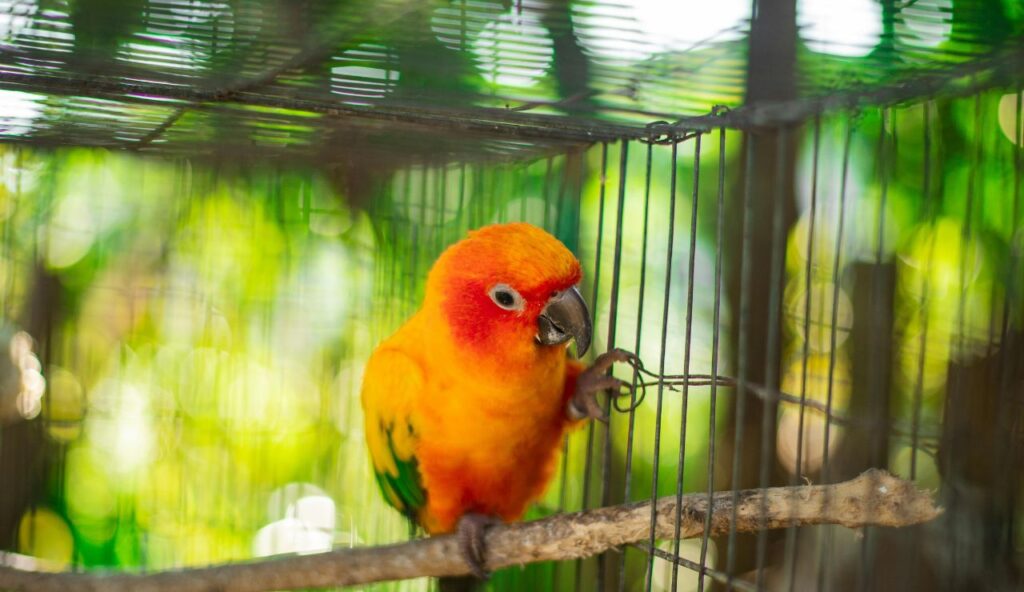
Your carrier is basically a mobile habitat, so build for stability, airflow, and containment.
For birds, use a rigid, airline-approved carrier with solid latches, a low perch for balance, and an absorbent liner that won’t slide.
Keep it partially covered to reduce visual stress without blocking ventilation.
For reptiles, darkness and security help: a breathable cloth bag inside a hard-sided container prevents escapes and limits bouncing.
Skip loose water dishes, heat rocks, or anything that can spill; use fresh liner pads and a simple “Live Animal” label with your phone number.
If temperature support is allowed, wrap packs so they don’t touch.
Handle paperwork, permits, and protected species rules
Paperwork is the most common reason exotic pet trips get canceled at the last minute.
Domestic flights may only need an airline form, but international travel can require veterinary health certificates, import permits, and inspections on arrival.
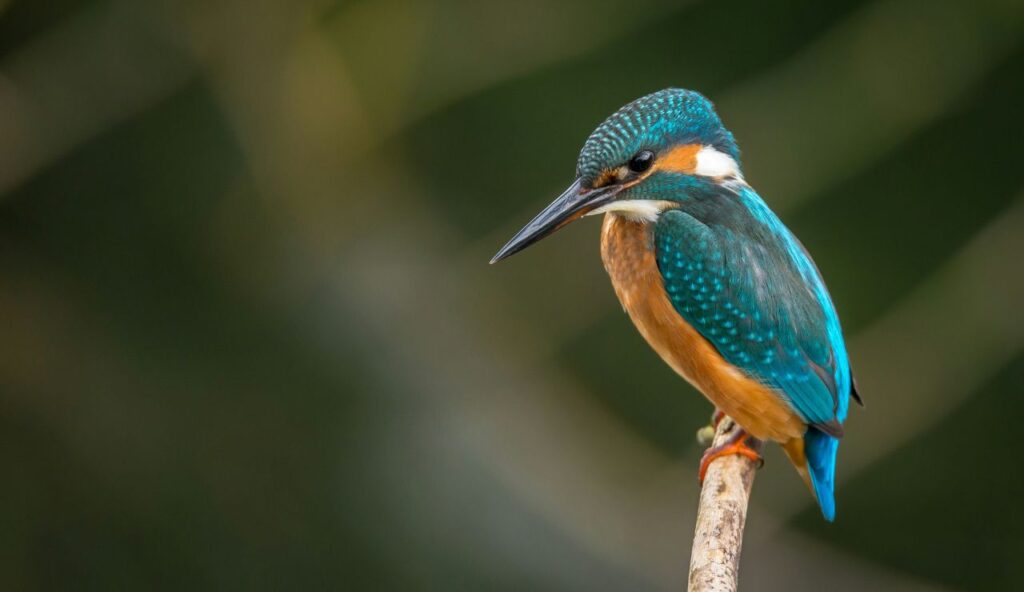
Some birds are subject to strict import rules and may face quarantine depending on the destination and disease controls.
Reptiles can trigger wildlife protections if the species is regulated or listed under CITES, even if it’s captive-bred.
Start early, keep printed copies, store scans on your phone, and confirm exactly which office checks documents at your departure and arrival airports.
Plan an airport day for security screening and stress control
Airport day should be calm and predictable, because noise and handling spike stress fast.
Arrive early so you’re not rushing, and keep the carrier steady, shaded, and away from drafts.
Security may ask to screen the carrier, and sometimes the animal must be removed. Practice safe transfers at home with an escape-proof pouch or the towel method.
Request a private screening room if you need control.
Avoid feeding right before check-in to reduce mess and motion issues; offer only small sips if your species tolerates them.
Bring wipes, spare liners, and a care card with your contact info.
Skip sedatives unless an exotic vet directs it.
Manage the flight and recovery after landing
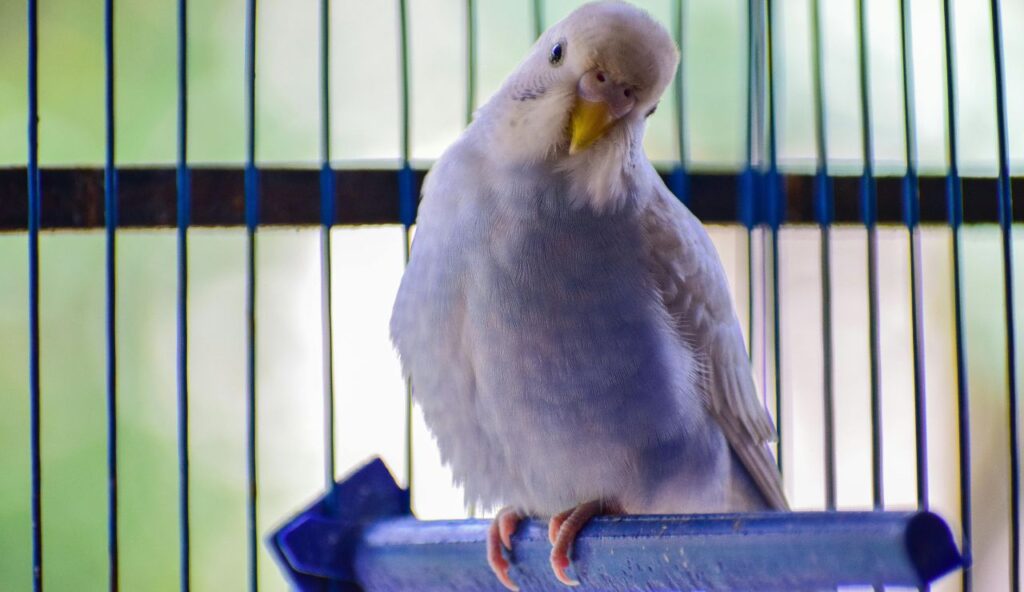
In flight, your goal is stability: don’t open the carrier, don’t poke fingers in, and don’t let cabin vents blast directly on it.
Keep birds covered enough to reduce stimulation, but never block airflow; keep reptiles dark and undisturbed.
After landing, move to a quiet spot, then adjust anything before heading straight to your destination to set up the full habitat first.
Offer water carefully, feed only once they’re settled, and watch for delayed stress signs such as heavy breathing, droopy posture, or refusal to perch.
Keep them separated from other animals for 48 hours and save the contact information for an exotic vet.