
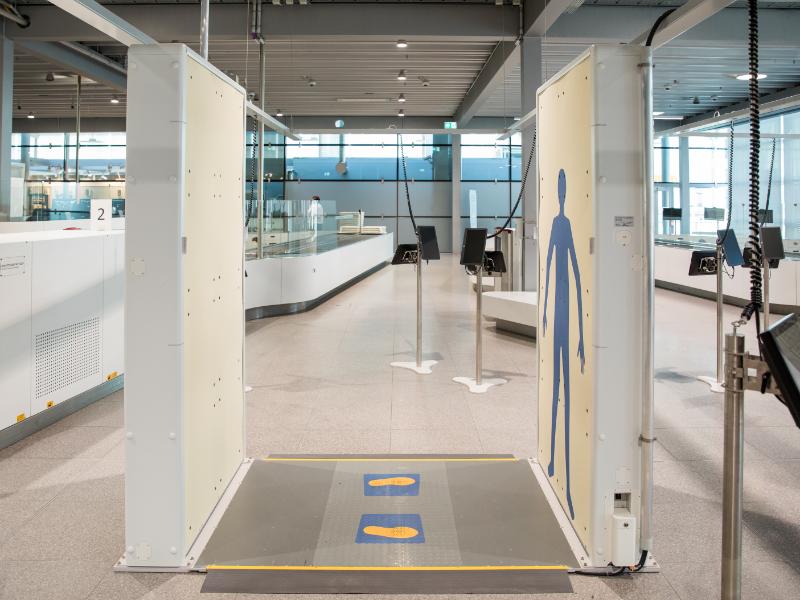
Airports Forced to Change X-ray Machines After Reality of What Security Could See Revealed
Heading through airport security usually means a quick check for metal objects or forgotten items in your pockets. Yet for a few years certain machines went far beyond that by revealing much more than anyone expected. These devices earned the nickname virtual strip teases because they left little to the imagination. The controversy centered on Rapiscan scanners that the United States rushed into service after a major security scare.
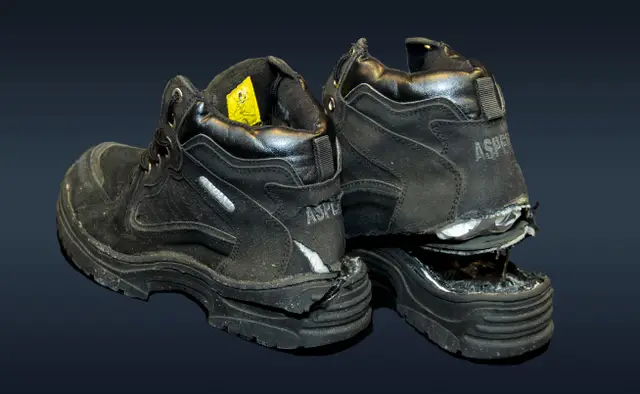
In late 2009 Umar Farouk Abdulmutallab attempted to detonate explosives hidden in his underwear on a flight bound for Detroit. The device malfunctioned and caught fire but the incident still sent shockwaves through aviation security. Passengers and crew tackled him and put out the flames. This event came eight years after Richard Reid tried a similar attack with shoes packed with homemade explosives on an American Airlines flight. Traditional metal detectors could not reliably spot non-metallic threats worn against the body. Security experts needed something that could look deeper without relying solely on alerts for metal.
Security consultant Will Geddes explained the core issue with older gates. They only detected metallic items and offered no way to examine the body itself for concealed threats. After the underwear bomber attempt airports entered a frenzy to install new technology fast. Federal agencies including the Transportation Security Administration often selected the first available option under pressure. That choice fell on Rapiscan scanners which cost around one hundred eighty thousand dollars each. The machines used advanced imaging to detect anything hidden on or under clothing.
Unfortunately these scanners proved far more revealing than planned. Officers viewing the images could see travelers completely naked which sparked immediate backlash. People described the experience as deeply invasive and unnecessary for safety. By 2012 widespread complaints about privacy flooded in and public debate grew heated. The devices showed every detail of the body rather than just potential threats. Many travelers felt violated walking through what felt like an electronic undressing.
Authorities set a firm deadline of June 2013 for Rapiscan to update the software. The goal was to switch to non-imaging automated target recognition that would display only generic outlines highlighting suspicious areas. When the company could not meet that congressional requirement the contract for part of the work was terminated. Officials emphasized that all vendors must satisfy strict standards for both effectiveness and passenger dignity. The statement highlighted that updated machines would speed up lines while improving security overall. Travelers gained the option to refuse the scan if they preferred a pat-down instead.
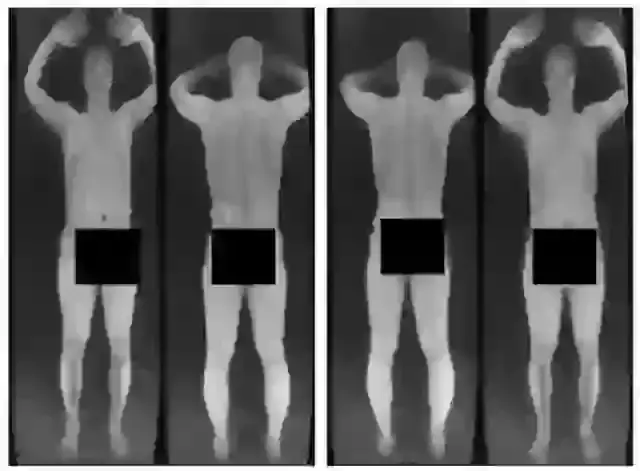
By mid-2013 the original Rapiscan full-body scanners had largely disappeared from United States airports. Newer versions with privacy software took their place and the era of nude-style images ended. Today most checkpoints use technology that respects personal boundaries while still catching dangerous items. The episode serves as a reminder of how quickly security measures can evolve when threats appear yet also how important it is to balance safety with respect for privacy. Rushed decisions in the heat of crisis sometimes lead to fixes down the road.
The whole situation highlighted the challenges of implementing cutting-edge tools under tight timelines. Experts like Geddes pointed out that panic can drive hasty purchases without full consideration of long-term impacts. In the end the shift to less intrusive scanners benefited everyone by reducing complaints and maintaining public trust. Airport security continues to adapt as new risks emerge but lessons from the Rapiscan period remain relevant for keeping procedures both effective and humane.
What are your thoughts on airport security scanners and the balance between safety and privacy in the comments.