
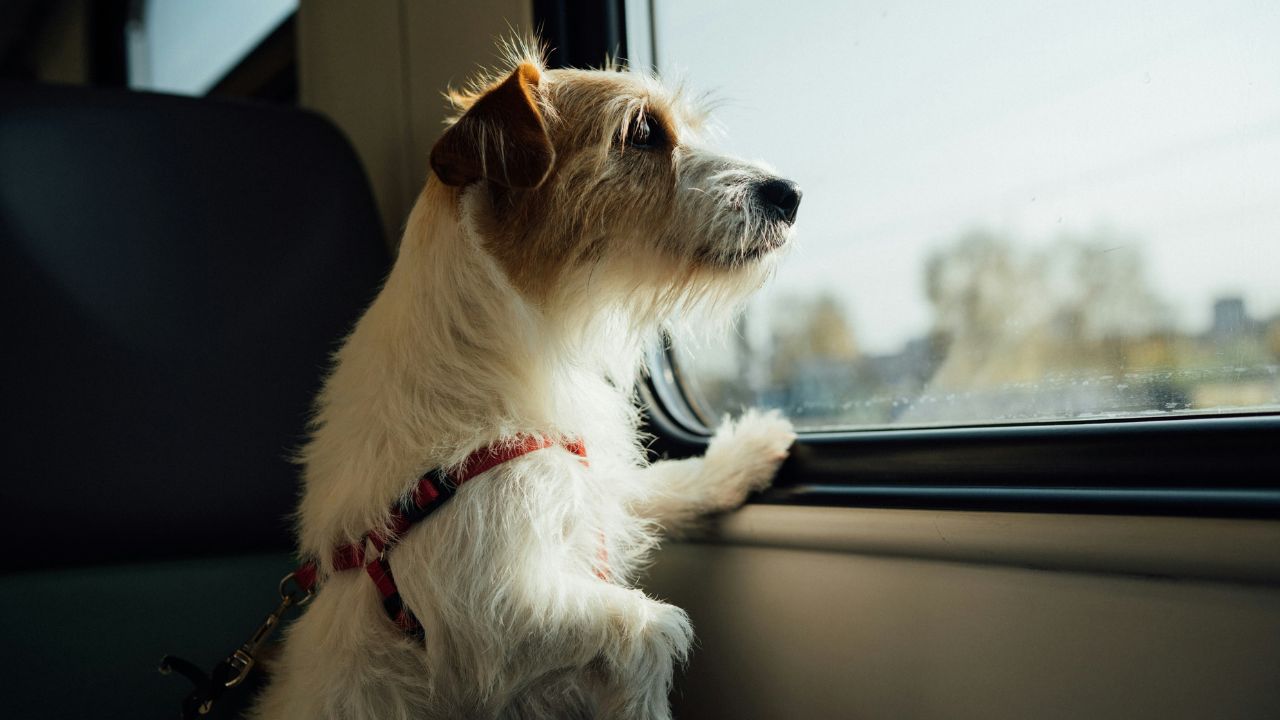
Air travel in 2026 has become more complex not only for passengers but also for pets.
With commercial flights operating near capacity and airlines adjusting cargo policies, transporting animals has become significantly more expensive on domestic and international routes, especially during peak travel seasons.
Pet owners relocating, traveling internationally, or sending animals for breeding or adoption are now facing higher base fares and added compliance costs at every stage. The term “air rage” for animals reflects the tension among demand, regulation, and limited space in crowded skies worldwide.
Limited Cargo Space and Higher Demand
Airlines are prioritizing passenger luggage and premium cargo, reducing dedicated space for animal transport on many long-haul and regional flights across international hubs.
As international travel rebounds and relocation trends continue, demand for pet shipping has surged steadily. Limited temperature-controlled cargo slots are now booked weeks in advance, especially during peak travel seasons in global corridors.
This supply imbalance allows carriers to increase pet transport fees. Airlines also impose seasonal embargoes during extreme weather, further tightening availability and driving up prices in peak months for pet relocations.
New Compliance and Documentation Requirements

Stricter international animal health regulations in 2026 are adding to the overall costs for pet transportation worldwide across major markets.
Many countries now require updated vaccination records, microchip verification, parasite treatments, and certified veterinary endorsements before departure approval. Some destinations demand government-issued export permits and quarantine reservations in advance, with limited booking windows.
Each additional document involves processing fees and veterinary visits. Compliance delays can also lead to rebooking charges, increasing total transportation expenses for pet owners and relocating families.
Rising Fuel and Operational Costs

Jet fuel prices remain volatile in 2026, and airlines continue to offset higher operating expenses through ancillary fees, including surcharges for live animal transport on long-haul routes worldwide.
Temperature-controlled compartments require additional monitoring, specialized handling, and staff training for safety compliance. These operational safeguards, while essential for animal welfare, increase overhead costs for airline cargo divisions.
Airlines also factor insurance coverage and risk management into pet shipping fees, contributing to steadily rising base rates across major international carriers.
The Growth of Pet Relocation Services
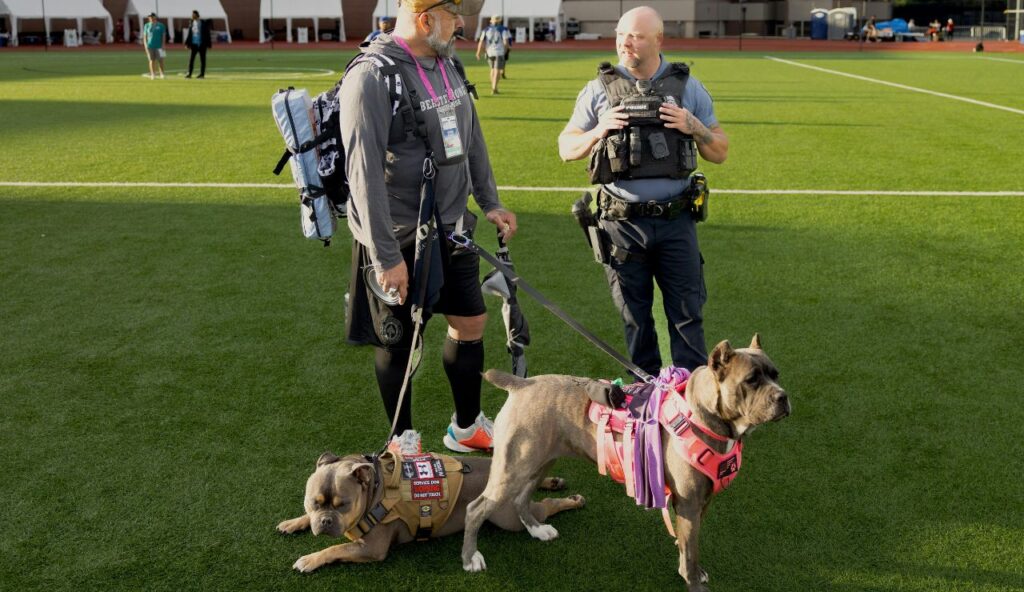
Professional pet relocation companies have expanded rapidly, offering door-to-door logistics and paperwork management for complex international journeys across continents.
While these services simplify global moves, they significantly increase total costs for families. Handling agents coordinate veterinary checks, travel crates, customs clearance, and ground transportation between airports and final destinations in different countries.
Their expertise reduces travel risks but adds service charges on top of airline fees. As more families relocate globally, demand for these specialists continues to drive up prices in travel markets.
Breed Restrictions and Safety Policies
Airlines are enforcing stricter breed-specific policies, particularly for brachycephalic dogs and cats prone to respiratory issues during flights in cabin environments.
Some carriers limit transport for certain breeds entirely or require specialized travel crates and detailed health certifications. These precautions aim to prevent in-flight complications but narrow options for pet owners with restricted airline choices.
When fewer airlines accept specific animals, competition decreases and prices rise on approved transport routes, especially on long-haul international sectors with limited availability.
Insurance and Risk Mitigation Costs

Pet travel insurance and liability coverage have become more common in 2026 amid rising risks and stricter international travel conditions.
Owners increasingly purchase additional policies to cover delays, health emergencies, or unexpected quarantine extensions abroad. Airlines also adjust pricing structures to reflect risk exposure associated with live animal transport in crowded air corridors during peak seasonal demand.
Weather disruptions and route cancellations can result in extended boarding stays, adding kennel and veterinary expenses that further elevate the total shipping cost for long-distance international routes.