Canva

A Cat’s 20th Birthday Celebration With a Roasted Chicken Cake Won the Entire Internet

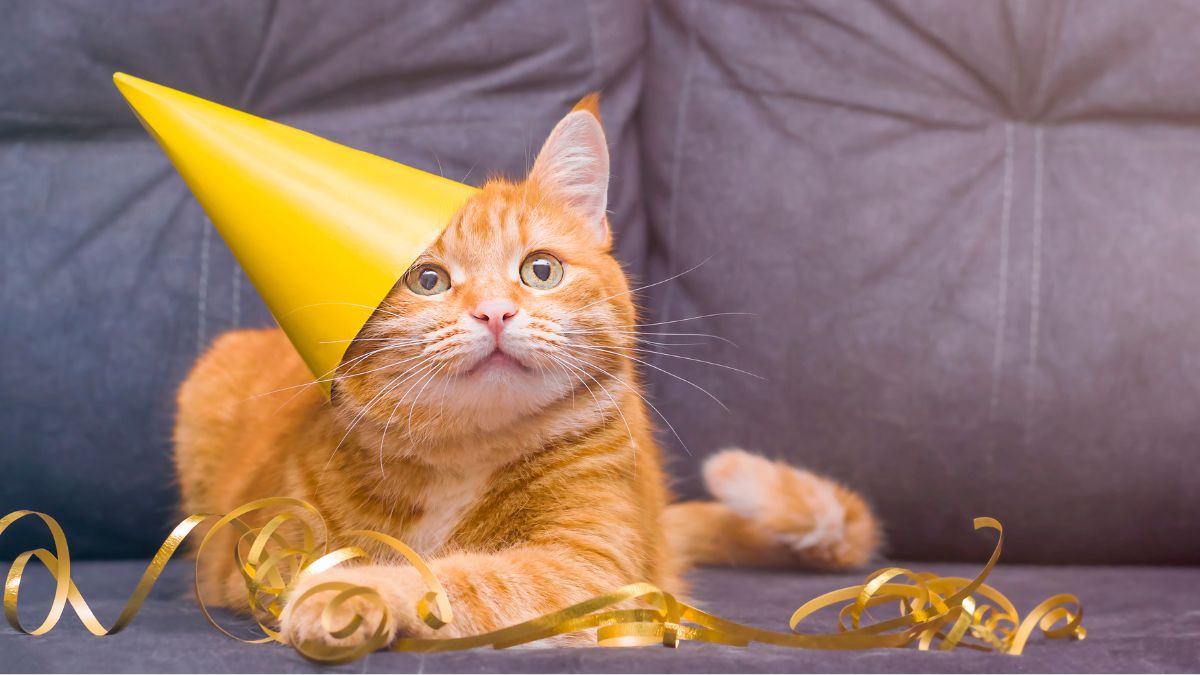
Not every birthday cake needs to be made of flour and frosting. For Orville, a cat who just hit the impressive milestone of 20 years old, his owners had something far more fitting in mind. Instead of a traditional sweet treat, they surprised him with a whole roasted chicken decorated with lit candles shaped like the number 20. The result was a heartwarming and hilarious moment that nobody on the internet could resist.

The video was shared on Instagram by the account Way of the Cat, and it quickly spread across the platform like wildfire. In the clip, Orville sits patiently at the table, eyes locked on his very special birthday lunch, leaning in with all the restrained dignity a 20-year-old cat can muster. His owners gently hold him back just long enough to capture the moment before carefully preparing a safe, boneless piece for him to enjoy. It is honestly one of the most relatable things a cat has ever done on camera.

What really sent the whole thing over the edge was the comment section, which turned into an absolute goldmine. One person wrote that the owners should just hand over the chicken immediately, while another dramatically declared that if they found out Orville did not get the entire bird, they would track those people down. A third commenter added their own twist, noting that their cat would never be that patient but would absolutely sell them out for chicken without a second thought.

Reaching the age of 20 is genuinely remarkable for a cat, as the average lifespan tends to fall somewhere between 12 and 18 years, making Orville something of a feline elder statesman. The fact that he still has the focus and composure to sit at a table and wait for his birthday meal says a lot about his personality. Clearly, two decades of life have done nothing to dull his appreciation for good food or his ability to go viral with minimal effort.

Stories like this remind us why pet videos have such a lasting grip on the internet. There is something universally warm about watching someone genuinely celebrate their animal companion, treating them with the same love and ceremony you would give any family member. Orville’s roasted chicken birthday is the kind of moment that makes you want to go hug your own pet immediately.

Share your thoughts on Orville’s legendary birthday celebration in the comments.
Similar Posts

  • 5 ways Vacation Routines Stress your Pet: Psychology Science most owners Miss

    Vacations are exciting for humans, but for pets, they can feel confusing, stressful, and even scary. Many animals rely on routine to feel safe, so small travel changes can trigger anxiety in ways owners do not expect. The science is simple: pets read patterns, smells, and body language, not calendars. These five overlooked vacation habits can raise stress fast, even in calm pets, and knowing them helps you prevent problems before they start. A few small adjustments can make travel days easier for everyone.
    1. Packing Early Signals “Something Is Wrong” to Your Pet
    When you start pulling out suitcases, your pet often notices before you do. Many animals link luggage with separation, which can trigger anticipatory anxiety. Dogs and cats are experts at pattern recognition, so even quiet packing can create stress because it predicts a major change. Some pets respond by pacing, whining, hiding, or becoming clingy. Others may stop eating or start acting unusually alert. Psychology research on animal behavior shows that uncertainty is often more stressful than the event itself. Packing in smaller steps, keeping normal routines, and adding calm activities can reduce the buildup of anxiety.
    2. Your Mood and Body Language Change More Than You Realize
    Vacation prep usually comes with stress, rushing, and distraction. Pets notice that shift immediately because they rely heavily on your tone, facial expression, and energy. Even if you are excited, the fast movement, shorter patience, and unusual household noise can signal danger to an animal’s brain. This is especially true for anxious dogs and sensitive cats. Behavioral science shows that animals can mirror human stress through increased vigilance and restlessness. A pet may start shadowing you, refusing naps, or becoming reactive. Slowing down, using a calm voice, and keeping playtime normal can make a big difference.
    3. Skipped Walks, Late Meals, and Broken Timing Disrupt Safety Signals
    Many owners think pets will adjust easily to vacation timing changes, but routine is a major source of security for most animals. Meals, walks, and bedtime create predictable anchors that tell a pet their world is stable. When those anchors shift, stress rises, especially in dogs who depend on consistent potty breaks and activity. Cats can also become unsettled when feeding schedules change, which may lead to hiding, vocalizing, or litter box issues. Studies on animal stress show that predictable patterns lower cortisol over time. Even on travel days, keeping timing as close as possible helps pets stay calmer.
    4. New Smells and Spaces Can Trigger Overload, Not Curiosity
    People often assume pets will be excited by a new place, but unfamiliar environments can overwhelm them. Animals process the world through scent and sound, so hotels, rentals, or relatives’ homes can feel like sensory overload. New cleaning products, unfamiliar pets, strange floors, and different noises can raise stress quickly. Dogs may become hyper-alert, bark more, or refuse to settle. Cats may hide for hours or stop eating. Animal behavior research shows that novelty is not always enriching, especially when the pet has no control. Bringing familiar bedding, toys, and maintaining a quiet corner helps reduce that overload.
    5. Handing Them Off to a Sitter Without a Transition Creates Separation Shock
    Even if you trust your sitter, your pet may not. A sudden handoff can feel like abandonment to an animal that does not understand travel plans. Dogs may respond with barking, destructive behavior, or loss of appetite. Cats may become withdrawn, refuse interaction, or show stress through litter changes. Psychology studies on attachment show that animals form strong bonds and feel distress when those bonds are disrupted without a predictable transition. A short meet-and-greet, a trial visit, or a practice overnight can reduce stress dramatically. Familiar scents, written routines, and consistent feeding also help the sitter maintain stability.

  • The Dog Breeds Quietly Vanishing From Our World — And the Humans Racing to Save Them

    Across thousands of years of shared history, dogs and humans have developed one of the most remarkable bonds in the animal kingdom. From sled pullers in the Arctic to herders in the Scottish Highlands, breeds have been shaped by the landscapes, needs, and cultures of the people who raised them. That diversity, however, is more…

  • First Golden Snub-Nosed Monkey Born Outside Asia Delights Zoo Visitors In France

    A charming baby golden snub-nosed monkey has arrived at a zoo in France marking the very first time this rare primate species has been born anywhere beyond its native Asian range. The tiny newcomer with its striking blue face entered the world on the morning of March 11 2026 at ZooParc de Beauval. Keepers there…

  • She Took Her Dog to the Vet for Acting Weird and Got the Last Diagnosis She Expected

    When a dog starts following you from room to room, peering over furniture to keep you in sight, and staring at you with an almost eerie intensity, it is natural to worry something is wrong. That is exactly what happened to Jade Emily Farrow, whose cane corso suddenly developed what seemed like an obsession with…