

Paid to Wander: The 2026 Guide to Getting Paid to Travel: 5 Realistic Careers for the Wanderlust-Obsessed
By 2026, getting paid to travel is no longer a fantasy reserved for influencers or trust-fund adventurers. Shifting work models, remote infrastructure, and digital demand have opened realistic paths for people who crave movement without sacrificing income. The key difference today is sustainability. These careers don’t promise luxury vacations; they offer mobility, flexibility, and long-term viability. For wanderlust-driven individuals willing to trade predictability for adaptability, these roles provide a way to integrate work and exploration. The appeal isn’t constant escape; it’s designing a life where travel supports work.
1. Location-Independent Freelance Work

Freelancing remains one of the most accessible ways to earn while traveling in 2026. Writers, designers, developers, marketers, and consultants can work from nearly anywhere with reliable internet. The appeal lies in flexibility rather than ease; success depends on consistent output, client management, and time discipline across time zones. Freelancers trade job security for autonomy, often structuring travel around workloads instead of destinations. For wanderlust-driven professionals, this model allows slow travel and longer stays rather than constant movement. It rewards self-direction and reliability more than spontaneity.
2. Travel Content Creation With Niche Focus

Content creation has matured beyond viral videos. In 2026, sustainable travel creators focus on niches such as budget routes, senior travel, eco-adventures, or cultural deep dives. Income comes from diversified streams, sponsored content, digital products, memberships, and licensing, not just ads. This career requires patience, strategy, and consistent publishing before revenue stabilizes. Travel becomes both subject and workplace, blurring personal and professional boundaries. Those who succeed treat creation as a business, not a vacation, using travel as raw material rather than constant leisure.
3. Remote Corporate Roles With Travel Flexibility
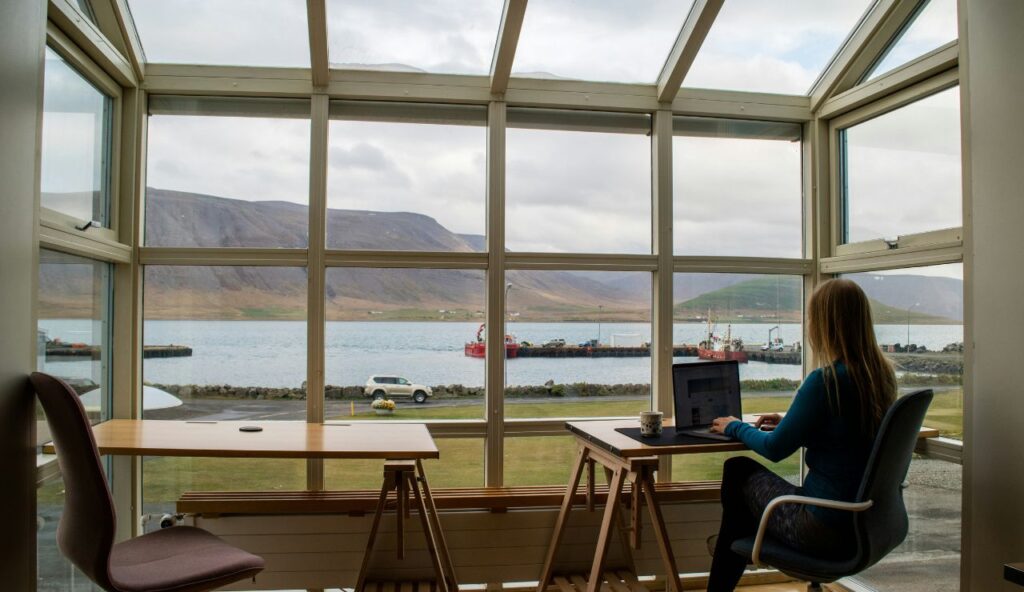
Many companies now offer location-flexible roles that allow extended travel without changing employment. These positions, common in tech, operations, customer success, and project management, prioritize output over physical presence. Employees often work standard hours while relocating periodically. The tradeoff is structure; deadlines and meetings still anchor schedules. For travelers who want stability with movement, this model offers balance. Travel happens between work blocks, making it ideal for slower exploration rather than constant relocation. It’s not carefree, but it’s reliable for long-term lifestyle planning.
4. Guided Experiences and Destination-Based Work

Some travelers earn income by leading experiences rather than working behind screens. Tour guiding, retreat coordination, expedition support, and educational travel roles place individuals on-site for weeks or months. These jobs demand interpersonal skills, physical stamina, and cultural awareness. Pay varies, but housing or meals are often included. The lifestyle suits those who enjoy structure and repeat destinations over constant novelty. Travel is immersive rather than fleeting, allowing a deeper connection to place while earning steadily through expertise and responsibility within defined seasonal or regional roles.
5. Seasonal and Contract-Based Travel Jobs

Seasonal work remains a realistic entry point for paid travel. Roles in hospitality, cruise operations, outdoor education, and seasonal tourism offer short-term contracts tied to location. While pay may be modest, expenses are often reduced, allowing savings or onward travel. These jobs attract people who value experience over permanence. The rhythm alternates between work-intensive periods and extended downtime. For wanderlust-driven individuals, seasonal roles provide movement with purpose, trading long-term stability for recurring opportunity and variety across different regions and travel cycles.