
Generational Paws: Boomer vs. Gen Z: The Surprising Divide in How We Really Treat Our Pets
Pets have always been part of American households, but how they are treated has shifted dramatically across generations. What once centered on practicality and discipline has evolved into emotional bonding, lifestyle integration, and even identity. Baby Boomers and Gen Z often love their pets just as deeply, yet they express that care in fundamentally different ways. These differences show up in spending habits, training philosophies, housing decisions, and expectations around responsibility. Understanding this generational divide reveals not who cares more, but how changing social values have reshaped the role pets play in daily life.
Companionship vs. Family Identity
For many Boomers, pets traditionally filled a companionship role within an already structured family unit. Dogs and cats were loved, but boundaries were clear; pets adapted to household rules rather than reshaping them. Gen Z, however, often treats pets as a chosen family, sometimes prioritizing them over traditional milestones like marriage or homeownership. Pets become emotional anchors and identity markers, deeply integrated into daily routines and social lives. This shift reflects broader cultural changes around independence and connection, where pets fulfill emotional roles once reserved for extended families or communities.
Training Philosophy and Discipline
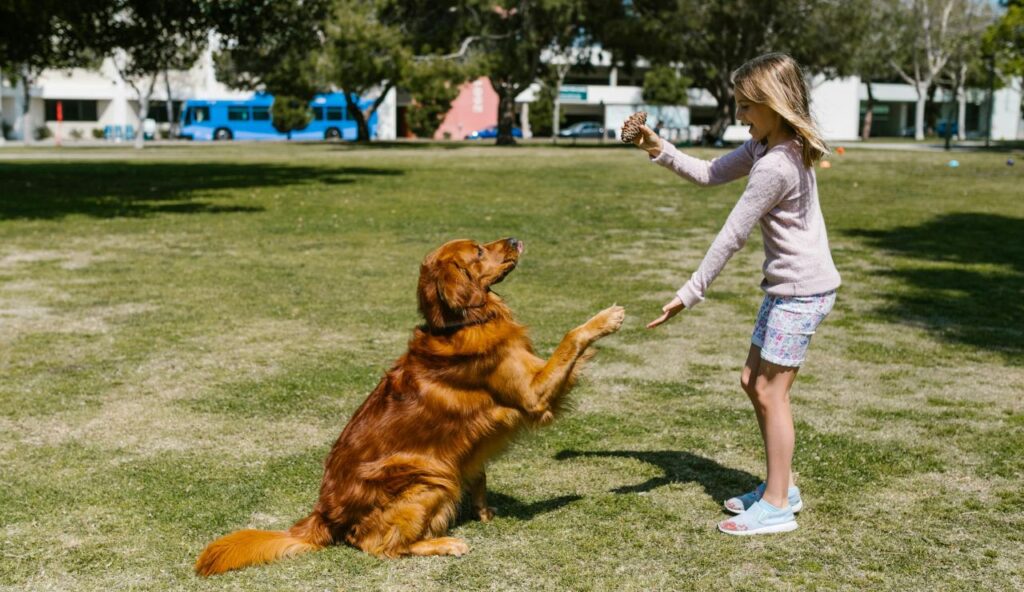
Boomer-era pet ownership emphasized obedience, consistency, and control. Training focused on behavior management, often rooted in authority-based methods designed to fit pets into human schedules. Gen Z approaches training through emotional awareness, enrichment, and positive reinforcement, viewing behavior as communication rather than defiance. Misbehavior is often interpreted as unmet needs rather than disobedience. These philosophies reflect generational attitudes toward authority and empathy. While both aim for well-adjusted pets, the methods highlight contrasting beliefs about structure, patience, and the emotional complexity of animals.
Spending Habits and Care Priorities
Boomers typically viewed pet expenses as practical necessities, food, basic veterinary care, and shelter. Gen Z, by contrast, is more likely to invest heavily in premium food, wellness products, insurance, and enrichment experiences. This isn’t simply indulgence; it reflects a belief that pets deserve the same quality-of-life considerations as humans. Critics sometimes frame this as overhumanizing animals, while supporters see it as ethical progress. The divide illustrates how economic pressures and shifting values influence what “responsible care” means in different eras and future household expectations.
Independence Versus Emotional Availability
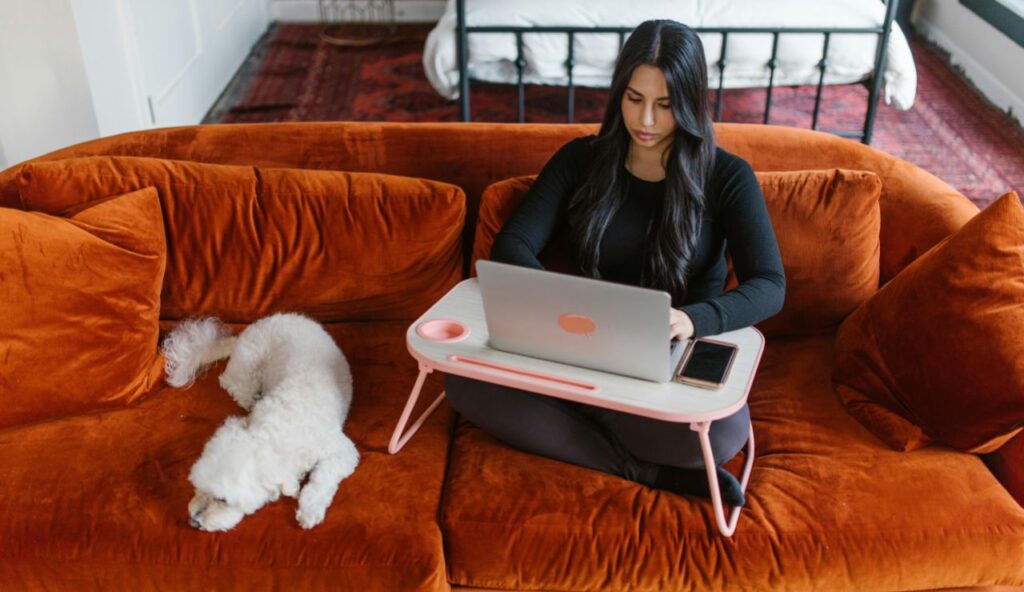
Boomer pets were often expected to be independent, spending time outdoors or alone without constant supervision. Gen Z pets are more likely to be closely monitored, emotionally supported, and rarely left unattended for long periods. This heightened involvement reflects broader mental health awareness and sensitivity to emotional well-being. However, it also raises concerns about separation anxiety and dependency. Each approach carries trade-offs, revealing how generational experiences shape expectations around independence, resilience, and emotional care in both humans and animals, especially in today’s increasingly home-centered lifestyles.
What This Divide Really Says About Us
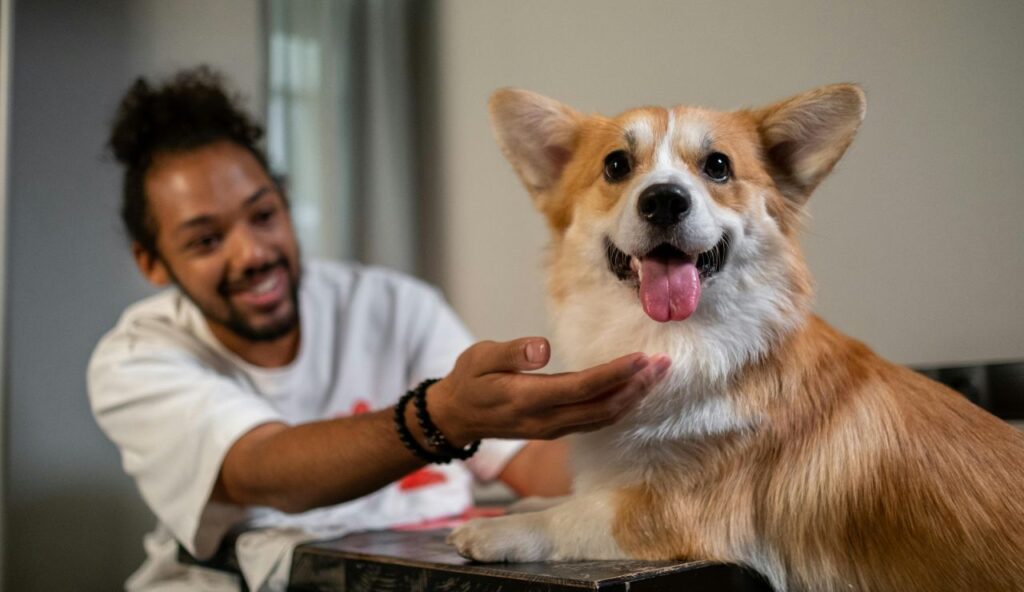
The generational gap in pet treatment isn’t about right or wrong; it mirrors evolving human priorities. Boomers often valued self-sufficiency and structure, while Gen Z emphasizes emotional connection and intentional care. Pets have become a lens through which cultural values shift. As these generations increasingly coexist in shared spaces, understanding these differences can reduce judgment and encourage better dialogue. At its core, the divide shows how deeply pets reflect the times we live in, adapting alongside us as definitions of family and care continue to change in a rapidly shifting social landscape.