The Country Where Everything Completely Shuts Down on Sundays Will Leave You Speechless
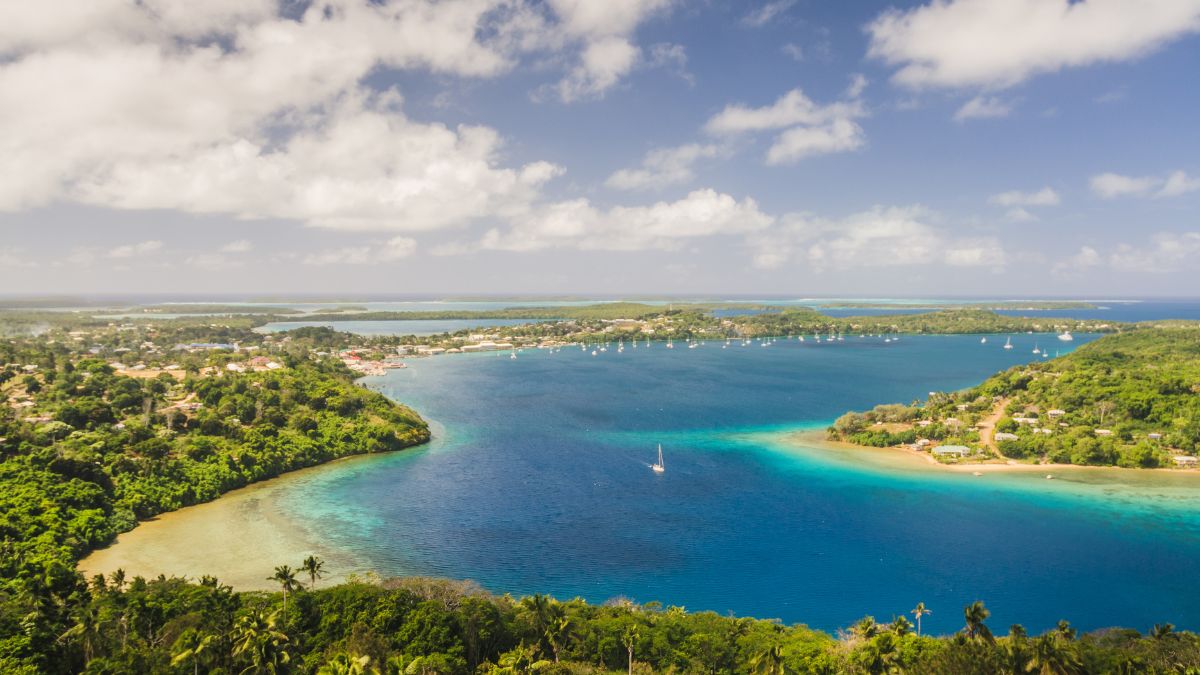
If you have ever thought your town gets quiet on a Sunday morning, you have clearly never visited Tonga. This small but deeply proud Pacific island nation, with its capital Nukuʻalofa, operates by a set of rules that most modern travelers would never see coming. The moment you step off the plane and realize it is Sunday, you quickly understand that this place plays by an entirely different set of standards. And honestly, there is something fascinating about that.
Tonga is one of the last countries in the world where Christianity does not just influence culture but actually shapes the law. Sunday is treated as a sacred day of rest, and that is not just a suggestion or a social norm people loosely follow. Work and entertainment are genuinely restricted by law, meaning that what you can and cannot do on a Sunday is not left up to personal preference. The country takes its faith seriously, and the Sunday laws are one of the clearest expressions of that.
For tourists arriving without that knowledge, the experience can be jarring. Shops are closed, restaurants are shuttered, and most public services simply do not operate. You cannot go for a casual swim, join a sports activity, or hop on a boat for a bit of recreational sailing. Those activities are all off the table on Sundays, and the restrictions apply to visitors just as much as they do to locals. A popular travel YouTuber who documented his visit to Tonga pointed out that engaging in work on a Sunday is actually a punishable offense, which is not something you hear about in many destinations around the world.
Tourists staying in hotels are not entirely without options, since some limited services remain available within hotel grounds. But stepping outside and expecting the usual buzz of a lively destination is simply not going to happen. The streets are calm, the businesses are dark, and the normal rhythm of life gives way to something far more still and reflective. It is a side of travel that feels almost like stepping back in time, and for some visitors, it is genuinely disorienting.
What makes this even more remarkable is that these traditions have been upheld for well over a century. The Sunday rest laws in Tonga are not a recent development or a policy introduced by a modern government looking to preserve cultural identity. They are deeply rooted in the country’s history, shaped by the arrival of Christian missionaries in the 19th century and embraced so fully by the Tongan people that they became embedded in the legal system. The tradition has simply never gone away because many Tongans genuinely do not want it to.
For those willing to embrace it, a Sunday in Tonga offers a kind of peace that is almost impossible to find elsewhere. There is no noise, no hustle, no pressure to fill every hour with activities. Church bells ring, families gather, and the pace of life slows to something that feels intentional and unhurried. It is a reminder that not every culture measures a good day by how much gets done or how much fun is had in the conventional sense.
Tonga is a destination that challenges the typical tourist mindset in the best possible way. It asks you to pause, adapt, and respect a way of life that prioritizes faith and community over commerce and entertainment. Whether you find that inspiring or a bit of a logistical challenge, it is hard not to come away with a deeper appreciation for how differently people around the world choose to live. If you have ever visited a place with unexpected cultural rules that changed how you saw the world, share your experience in the comments.