A New Study Claims City Birds Are More Afraid of Women Than Men
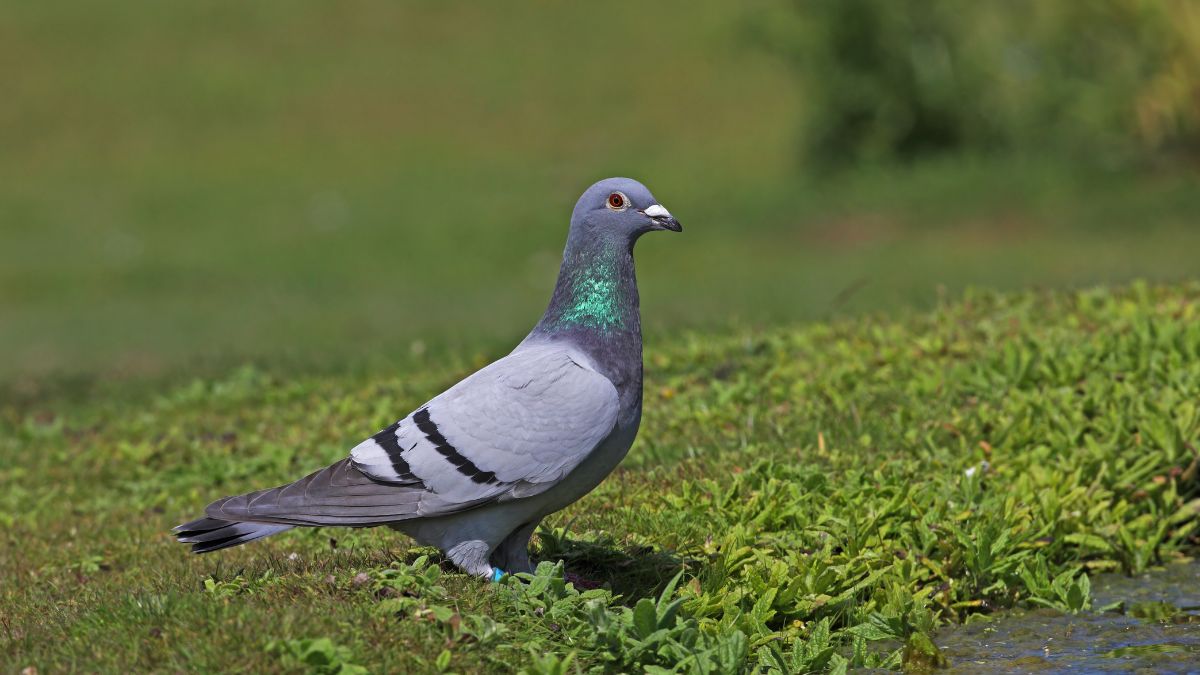
If you have ever noticed a pigeon barely flinching as someone walks past it, there might be more going on than simple urban familiarity. A new study has found that common city birds, including sparrows, magpies, and pigeons, tend to be noticeably more wary around women than around men. On average, men are able to get about three feet closer to a bird before it takes off compared to women. Researchers confirmed that birds are capable of distinguishing between the sexes, though no one can quite explain why they react this way.
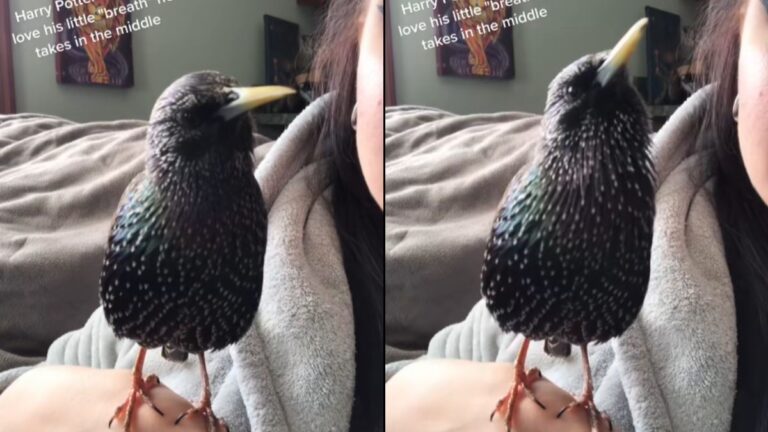
The findings were consistent across all 37 bird species observed in the study, and were published in the journal of the British Ecological Society. The research was carried out across five European countries, namely the Czech Republic, France, Germany, Poland, and Spain, and included a total of 2,701 recorded observations. Male and female participants, matched for height and clothing, walked directly toward birds in urban parks and green spaces to measure how close they could get before the birds fled. Species observed included great tits, blackbirds, starlings, and woodpeckers.
When looking at the numbers overall, women were able to approach birds to an average distance of about 28 feet before they flew away, while men got as close as roughly 25 feet. Professor Daniel Blumstein, a co-author of the study from the University of California, told The Independent that he fully believes the results but openly admits there is currently no explanation for them. That kind of honesty from a researcher is actually refreshing, and it shows just how genuinely puzzling this discovery is.
Dr. Federico Morelli from the University of Turin, also a co-author, described this as perhaps the most fascinating part of their work. He noted that while the team identified a clear pattern, they genuinely do not yet understand why it exists. What they do know is that the findings point to a surprisingly sophisticated ability in birds to read and evaluate their surroundings. Scientists have floated a few ideas, including the possibility that birds may be picking up on human pheromones, differences in body shape, or variations in the way people walk, though further research is needed to identify exactly what cues are being detected.
Dr. Yanina Benedetti from the Czech University of Life Sciences in Prague said she was personally surprised by the results, especially as someone who spends time in the field observing animals. She pointed out that the study raises important questions about how wildlife in cities actually perceives the humans moving through their space, and what that means for urban ecology and even for how fairly research is conducted when the observer’s gender can influence animal behavior. Future studies, she suggested, could examine individual factors like movement patterns, scent trails, or physical characteristics in isolation rather than grouping them all under the broad category of sex. That kind of targeted approach could finally help scientists pinpoint exactly what these birds are picking up on.
Have you ever noticed birds behaving differently around you depending on who you were with? Share your thoughts in the comments.