Can Cats Eat Shrimp? Safety Guide for Pet Owners
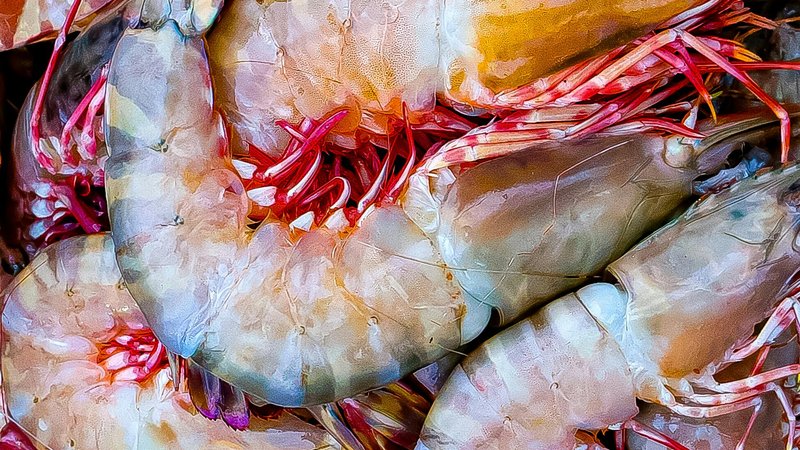
Shrimp is a popular seafood that many cat owners are tempted to share with their feline companions. But is it actually safe, and does it offer any real nutritional value for cats?
The short answer is yes — cats can eat shrimp in moderation. However, there are important guidelines every pet owner should know before offering this seafood as a treat.
Nutritional Value and Health Benefits of Shrimp for Cats
Shrimp is a lean source of protein, which is essential for cats as obligate carnivores. It also contains vitamins B12 and E, phosphorus, and antioxidants that support overall feline health.
The minerals found in shrimp contribute to a strong immune system, helping your cat stay healthy and active. According to feline diet insights, shrimp may not be as high in omega-3 fatty acids compared to fatty fish, but it can still be a valuable addition to your cat’s occasional treat rotation.
Shrimp also contains iodine, which supports healthy thyroid function in cats. These nutritional benefits make shrimp a more worthwhile treat than many processed commercial snacks.
Safety Considerations: Raw Versus Cooked Shrimp
One of the most important decisions you will make is whether to serve shrimp raw or cooked. This choice has real consequences for your cat’s health.
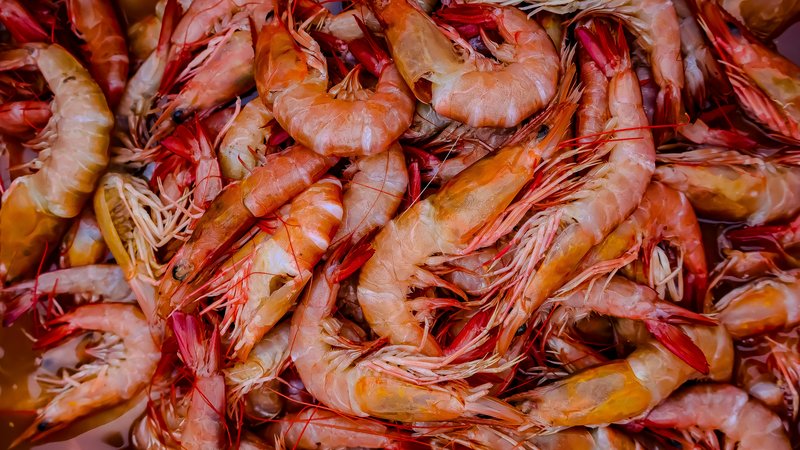
According to cooked versus raw shrimp research, cooked shrimp is generally completely safe to eat because cooking kills most harmful germs. Raw shrimp, on the other hand, can harbor bacteria and parasites that pose a genuine risk to your cat.
Always choose fully cooked shrimp when offering it to your cat. Avoid any shrimp that appears undercooked, slimy, or has an unusual odor.
Allergic Reactions and Shellfish Sensitivity in Felines
Not every cat will tolerate shrimp well. Some cats develop sensitivities or full allergic reactions to shellfish, which can be difficult to identify at first.
As noted in research on feline fish allergy conditions, some cats may develop an allergy to fish or shellfish, causing unsightly and uncomfortable skin conditions. An elimination diet may be required to reliably identify the specific allergen affecting your pet.
Watch for signs such as excessive scratching, hair loss, skin redness, vomiting, or diarrhea after introducing shrimp. If any of these appear, stop feeding shrimp immediately and consult your veterinarian.
Proper Preparation Methods and Portion Guidelines
Preparation matters just as much as the shrimp itself. Always remove the shell, tail, and digestive tract before offering shrimp to your cat, as these parts can be choking hazards or cause digestive irritation.
Never season shrimp intended for your cat. Garlic, onion, salt, butter, and other common seasonings are toxic or harmful to felines and must be avoided entirely.
Portion size should remain small. One or two small pieces of plain cooked shrimp is more than enough as an occasional treat, offered no more than once or twice per week.
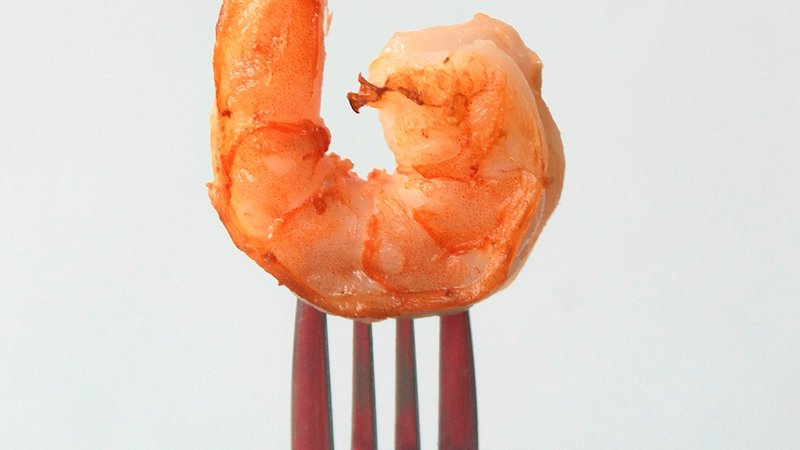
Potential Digestive Issues and Health Risks
Even when shrimp is properly prepared, some cats may still experience digestive upset. This is especially common when shrimp is introduced too quickly or offered in large quantities.
Shrimp is also relatively high in sodium and cholesterol compared to other protein sources. Cats with pre-existing kidney disease, heart conditions, or obesity should have shrimp limited or avoided altogether.
If your cat has never eaten shrimp before, start with a very small piece and monitor their reaction over the next 24 hours. Gradual introduction is always the safest approach with any new food.
Understanding how cats bond and behave with their owners can also help you recognize subtle behavioral changes that might signal discomfort or a negative food reaction.
Shrimp can be a safe, protein-rich treat for most healthy cats when served plain, cooked, and in small portions. When in doubt, your veterinarian is always the best resource for personalized dietary advice tailored to your cat’s specific health needs.