Signs of Heat Stroke in Dogs: Symptoms & Prevention
Every summer, thousands of dogs suffer from life-threatening heat stroke — and many owners don’t realize what’s happening until it’s too late. Knowing what to look for can mean the difference between a full recovery and a tragic outcome.
Dogs regulate body temperature very differently from humans. They rely almost entirely on panting, which makes them far less efficient at cooling down in hot or humid conditions.
Understanding Heat Stroke: Definition and How It Develops in Dogs
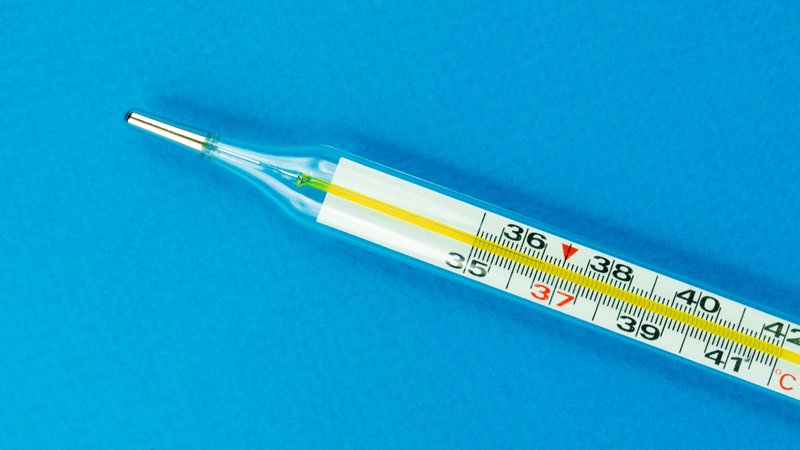
Heat stroke occurs when a dog’s core body temperature rises above 104°F (40°C) and the body can no longer regulate it through normal cooling mechanisms. Left untreated, temperatures above 106°F can cause organ failure within minutes.
It can develop rapidly — sometimes in under 10 minutes — especially inside a parked car or during intense outdoor exercise. Even a shaded yard on a humid afternoon can be dangerous for vulnerable dogs.
According to Cornell University’s canine health experts, heat stroke is a true medical emergency requiring immediate veterinary attention. There is no safe “wait and see” approach once symptoms appear.
Recognizing Critical Symptoms and Warning Signs
The earliest warning signs are easy to miss. Excessive panting, drooling more than usual, and a glassy or anxious expression are often the first indicators that your dog is overheating.
As heat stroke progresses, symptoms become more severe and unmistakable. Watch for bright red or pale gums, rapid heart rate, vomiting, diarrhea, stumbling, or sudden weakness in the legs.
In advanced cases, dogs may experience seizures, loss of consciousness, or collapse entirely. At this stage, permanent neurological damage or death is a serious risk without emergency intervention.
Breed-Specific Vulnerability and Risk Factors
Not all dogs face the same level of risk. Brachycephalic breeds — those with short, flat faces — are significantly more vulnerable because their compressed airways make panting far less effective. Bulldogs, Pugs, French Bulldogs, and Boston Terriers fall into this high-risk category.
Research published in Royal Veterinary College heatstroke studies confirms that flat-faced breeds are disproportionately represented in heat stroke cases compared to their population size. Obesity, old age, and underlying heart or respiratory conditions also dramatically increase risk.
Large, heavily coated breeds like Huskies and Malamutes — often celebrated as large dog breeds built for cold climates — are also at elevated risk when temperatures spike unexpectedly. Their thick coats trap heat in ways owners may underestimate.
Global warming trends are making this problem worse. Research published in The Lancet shows a positive relationship between warm-season temperatures and heat-related illness across most regions of the world, meaning dangerous heat events are becoming more frequent and intense.
Immediate First Aid and Emergency Cooling Techniques
If you suspect heat stroke, move your dog to a cool, shaded area or air-conditioned space immediately. Every second counts — do not wait to see if symptoms improve on their own.
Apply cool (not ice cold) water to your dog’s body, focusing on the neck, armpits, and groin where blood vessels are close to the skin. Using ice-cold water can cause blood vessels to constrict, actually slowing the cooling process.
Offer small sips of cool water if your dog is conscious and able to swallow safely. Then transport your dog to an emergency veterinarian immediately, even if they appear to be improving. Internal damage may not be visible from the outside.
Long-Term Recovery and Preventing Future Episodes
Recovery from heat stroke is not always straightforward. Some dogs develop lasting kidney damage, clotting disorders, or neurological issues that require ongoing veterinary management. As UCLA Health notes regarding heat-related illness recovery, the timeline and outcome are impacted by many individual factors, including how quickly cooling was initiated.
Prevention is always more effective than treatment. Avoid exercising dogs during peak heat hours, never leave them in a parked vehicle, and always provide access to fresh water and shade.
Dogs who have experienced heat stroke once are at higher risk of experiencing it again. Work closely with your veterinarian to establish a safe summer routine tailored to your dog’s specific breed, age, and health status.
Understanding your dog’s individual needs — including their diet, exercise tolerance, and physical vulnerabilities — is the foundation of keeping them safe year-round. A well-nourished, healthy dog is always better equipped to handle environmental stress than one with underlying deficiencies.