

Adventure Bound: Barking at the Moon: 11 Rugged Expeditions Where Your Dog Is the Best Co-Pilot
For dog lovers, the best adventures are the ones shared on four paws. Rugged expeditions offer dogs more than exercise; they provide mental stimulation, bonding, and a sense of purpose. Unlike traditional sightseeing trips, these journeys embrace dirt trails, unpredictable terrain, and wide-open spaces where dogs can thrive alongside their humans. When planned responsibly, adventure travel strengthens trust and communication between owner and pet. From mountains to coastlines, these expeditions reward preparation and teamwork. Here are eleven rugged experiences where your dog isn’t just along for the ride, but an essential co-pilot.
1. Backcountry Hiking Through Mountain Trails
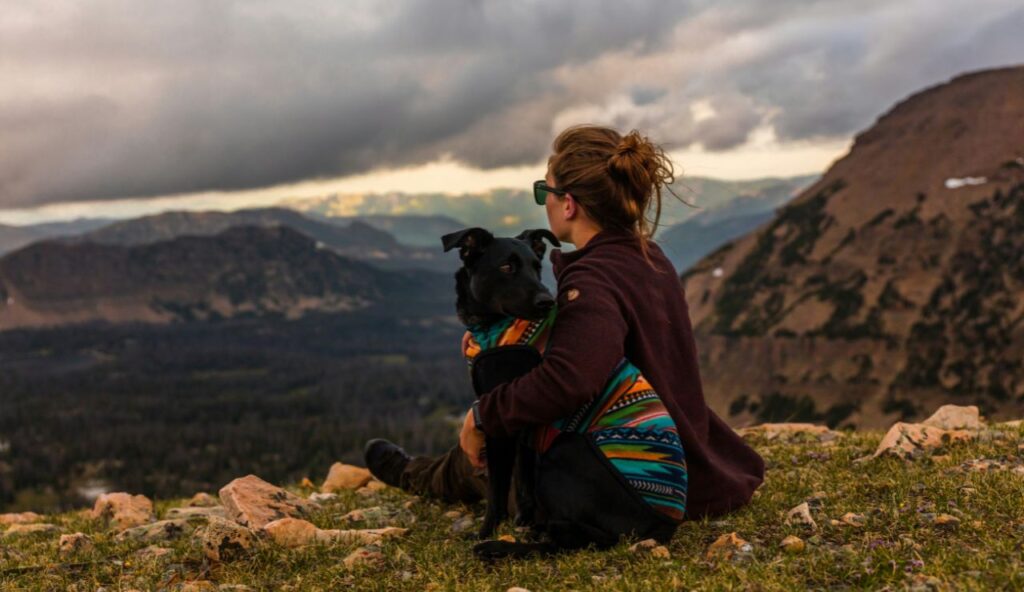
Mountain backcountry hiking offers dogs constant sensory engagement through changing elevations, scents, and terrain. These trails challenge endurance and focus, making them ideal for active breeds that thrive on structure and movement. Dogs naturally adapt to uneven paths and enjoy navigating obstacles alongside their owners. Proper pacing, hydration, and rest breaks are essential, especially at higher altitudes. Sharing long climbs and quiet overlooks creates deep companionship moments. When handled responsibly, mountain trails transform a hike into a cooperative journey where your dog actively contributes to navigation and morale.
2. Desert Trekking Under Open Skies

Desert expeditions may seem harsh, but many dogs excel in wide, open landscapes with proper planning. Cooler morning and evening hikes allow dogs to explore vast terrain while avoiding extreme heat. The quiet stillness of the desert can be grounding for dogs sensitive to crowds or noise. Paw protection, hydration planning, and shaded rest stops are critical. Dogs often remain highly alert in desert environments, strengthening handler awareness. These treks emphasize trust and observation, turning the stark beauty of the desert into a shared survival-style adventure built on preparation, timing, and steady pacing.
3. Coastal Cliff Walks and Shoreline Trails

Rugged coastlines combine physical challenge with constant visual and scent stimulation for dogs. Cliffside trails and rocky beaches demand attention and coordination, encouraging dogs to stay engaged with their handlers. The sound of waves and shifting sand keeps energy high while providing natural enrichment. Safety awareness is essential due to tides and uneven footing. Dogs that enjoy balance and exploration often thrive here. Coastal expeditions blend adventure with calm, offering moments of intensity followed by reflective rest beside the ocean, where wind and water reshape every step of the journey.
4. Forest Backpacking Expeditions
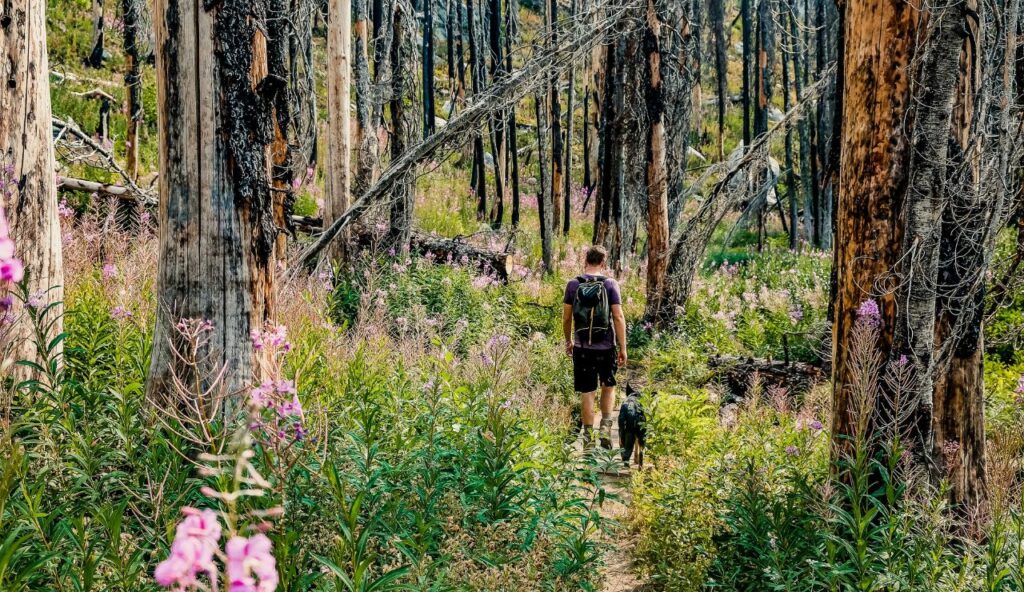
Multi-day forest backpacking allows dogs to fully immerse themselves in nature while maintaining close companionship. Dense woods offer endless scents and varied terrain, keeping dogs mentally stimulated over long distances. Carrying essential supplies requires planning, weight distribution, and rest cycles. Campsite routines help dogs settle after active days. Forest travel builds consistency and teamwork as dogs learn pacing and campsite boundaries. These expeditions reward preparation with a deeply shared rhythm that strengthens trust through repetition, quiet evenings under trees, and mornings filled with renewed energy.
5. Snowy Winter Trail Adventures
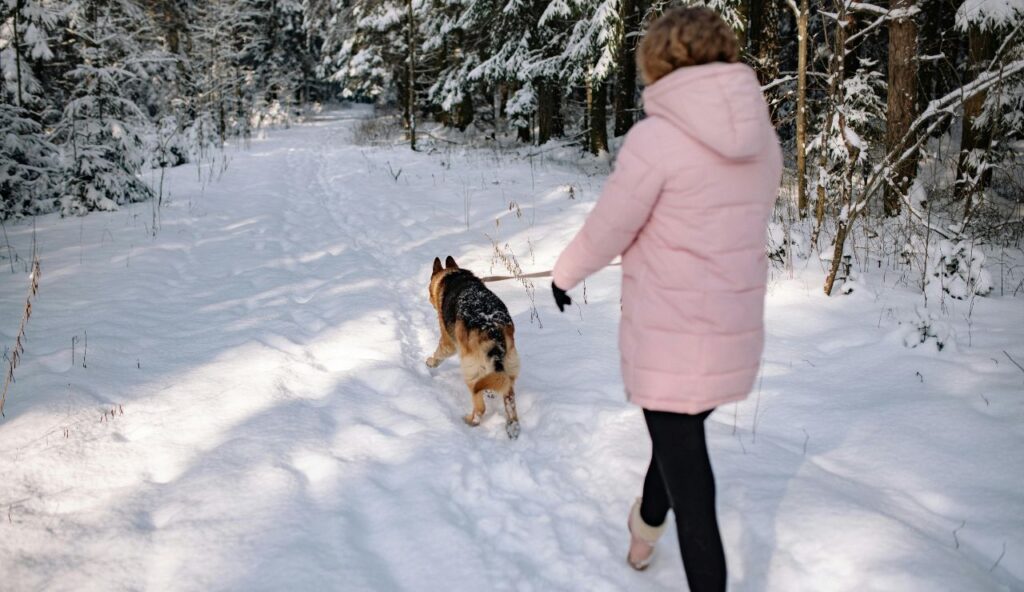
Cold-weather expeditions provide dogs with invigorating conditions that many breeds naturally enjoy. Snow muffles sound, creating a calm environment that enhances focus and connection. Dogs often adapt quickly to cold terrain, but protection from ice buildup and prolonged exposure is crucial for safety. Winter trails demand heightened awareness from both partners, especially during changing conditions. Navigating snow together fosters reliance and shared problem-solving. These trips replace speed with intention, offering slow, purposeful travel where dogs stay closely aligned with their owners and build quiet confidence.
6. Canyon and Slot Trail Explorations
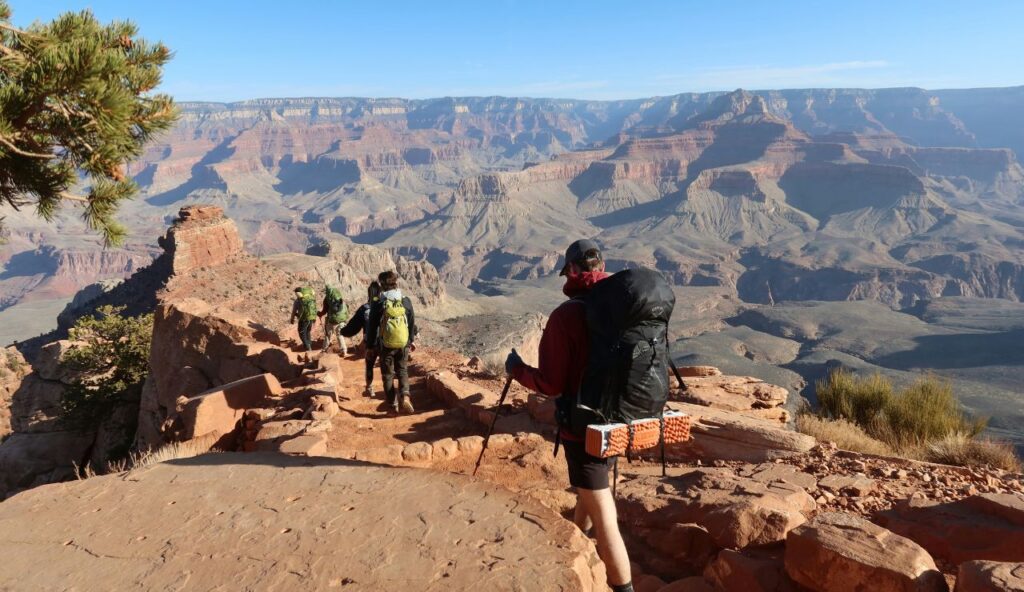
Canyon travel introduces narrow paths, elevation changes, and echoing spaces that heighten a dog’s situational awareness. Dogs learn to adjust movement and remain close, making them responsive partners on technical routes. The physical demands are balanced by cooler temperatures and shaded paths. Careful route selection and leash management are key, especially where footing narrows unexpectedly. These expeditions sharpen communication as dogs rely on cues and reassurance. Exploring canyons together creates a sense of mutual vigilance, trust, and shared discovery in confined yet dramatic landscapes.
7. Remote Island Camping Trips
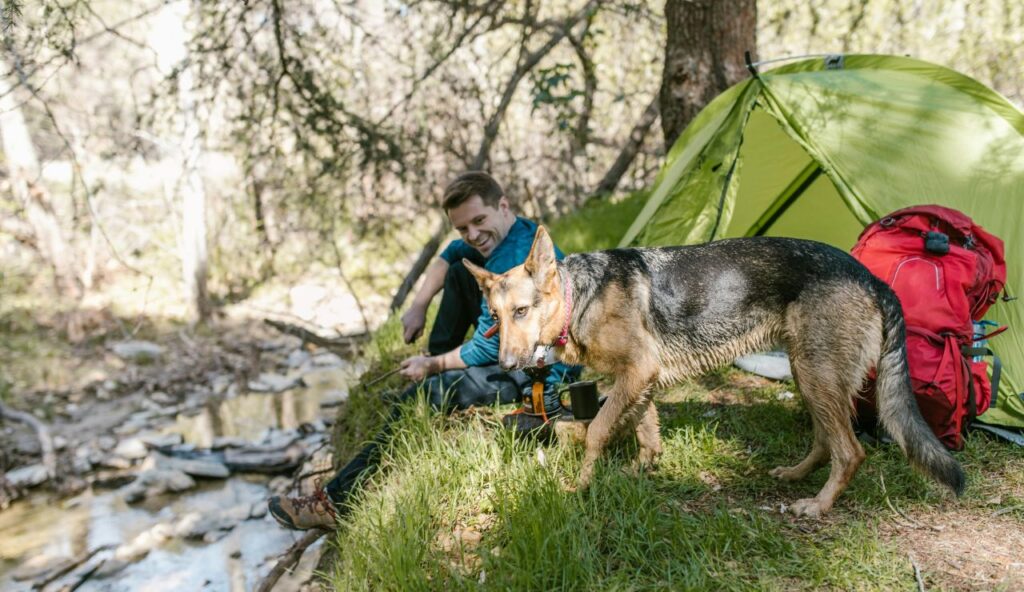
Island expeditions require adaptability, making dogs valuable companions for maintaining routine amid unfamiliar surroundings. Travel logistics, limited supplies, and environmental awareness encourage disciplined planning. Dogs often remain alert to wildlife and environmental shifts, enhancing safety. Beach camping blends relaxation with exploration, allowing dogs to engage both physically and mentally. These trips reward preparation with uninterrupted bonding time. Isolation strengthens reliance on each other, turning the experience into a true partnership away from daily distractions and modern noise.
8. High-Altitude Plateau Hikes
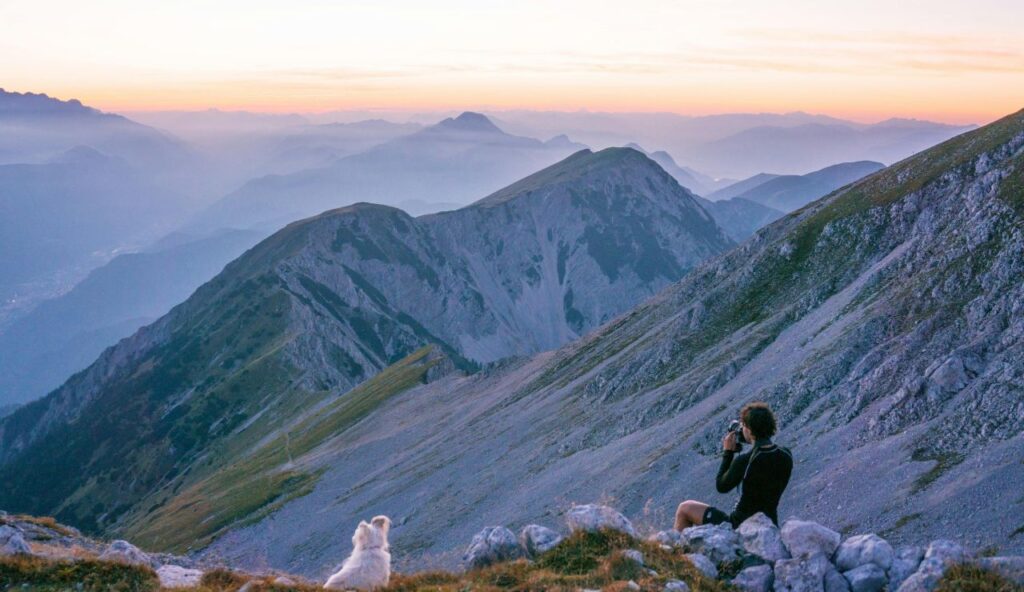
Plateau environments challenge stamina while offering expansive visibility that dogs instinctively monitor. The open terrain allows dogs to scan their surroundings, keeping them engaged and alert. Slower pacing helps both humans and dogs adapt to thinner air. Rest and hydration become shared priorities. These hikes emphasize endurance over speed, reinforcing cooperative pacing. Plateau travel fosters quiet companionship, where shared movement and mutual awareness replace constant direction or correction. The vast openness also reduces crowd stress, allowing dogs to relax while still remaining attentive to subtle environmental changes.
9. Riverbank and Canyon Rim Treks
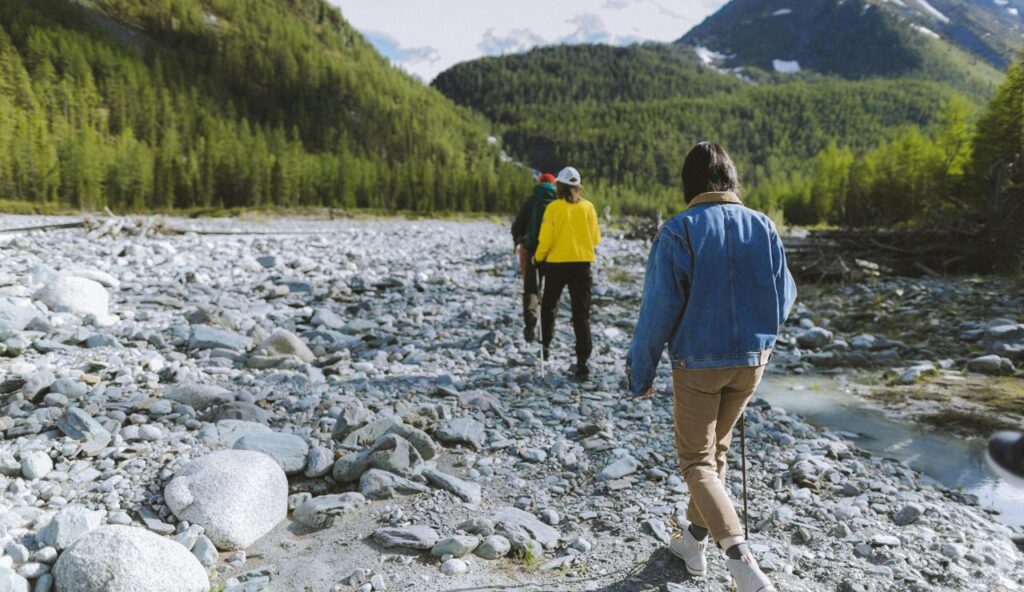
Following rivers through rugged terrain offers dynamic conditions that keep dogs mentally active. Water sounds, shifting paths, and changing elevations demand attention and adaptability. Dogs benefit from natural cooling and opportunities to rest near water. Safety awareness around currents and edges is essential. These treks encourage teamwork as dogs learn boundaries and cues. River routes balance challenge and comfort, making them ideal for long exploratory days. The steady rhythm of flowing water creates a calming backdrop, helping maintain focus while reinforcing a sense of shared direction along winding trails.
10. Volcanic and Lava Field Trails
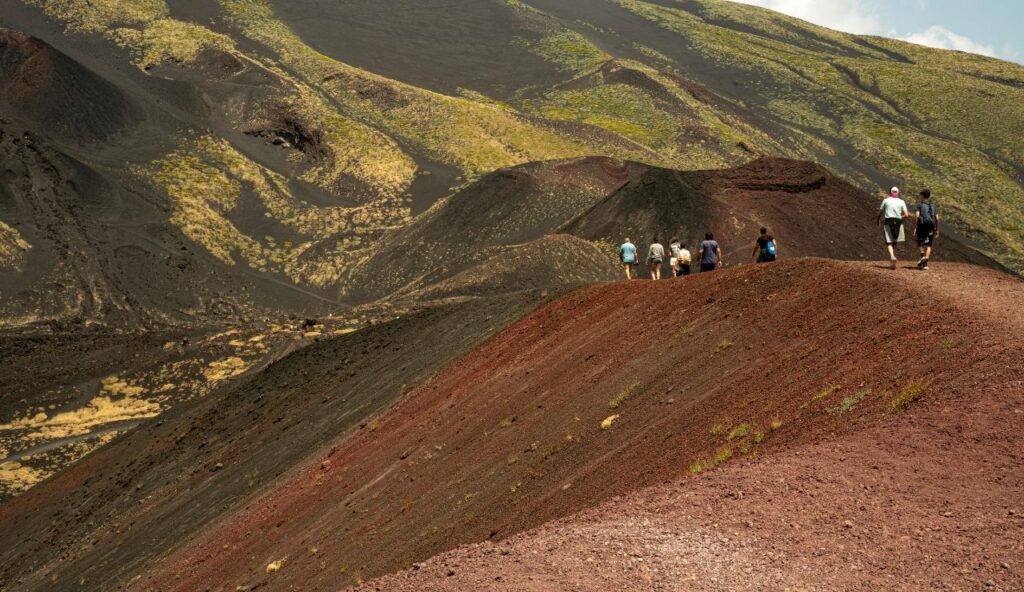
Volcanic landscapes introduce unfamiliar textures and heat-retaining surfaces that require careful pacing. Dogs learn to move deliberately, staying attentive to guidance. Protective gear and route timing are critical. Despite the challenge, these stark environments stimulate curiosity and focus. Navigating lava fields together builds trust through shared caution. These expeditions emphasize observation, communication, and mutual care in environments that demand respect and preparation. The dramatic scenery heightens awareness, turning each step into a measured decision that deepens reliance on clear cues and steady companionship.
11. Cross-Country Road Expeditions With Daily Hikes
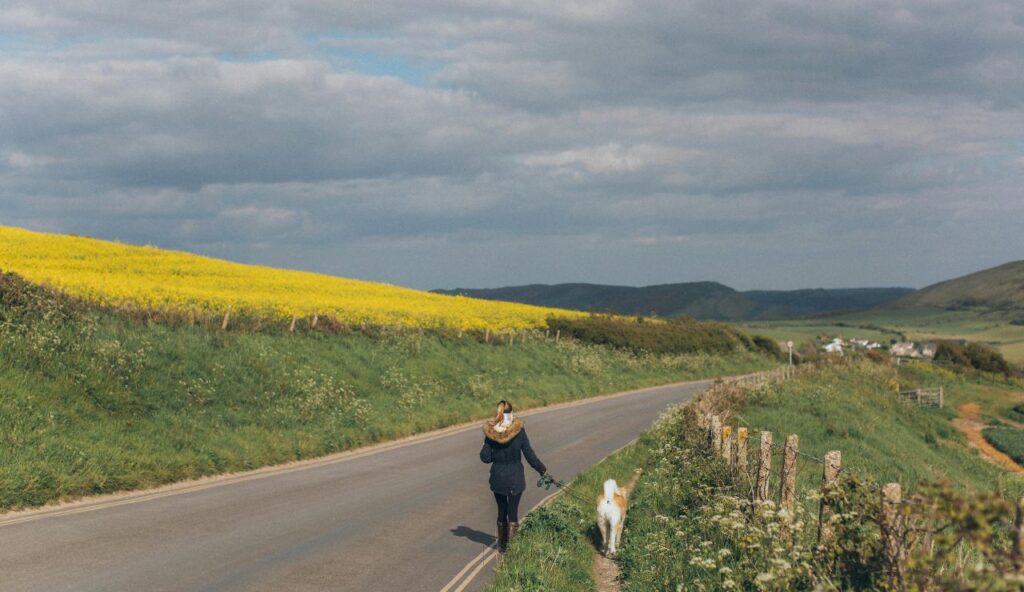
Long road trips punctuated by rugged hikes allow dogs to experience varied landscapes while maintaining routine. Daily exploration breaks provide physical and mental balance during travel days. Dogs become attuned to changing environments and schedules, adapting alongside their owners. Planning dog-friendly routes and rest stops is essential. These extended journeys highlight a dog’s role as a constant companion, offering stability and motivation across miles of changing terrain. Over time, the rhythm of drive, explore, and rest creates a dependable pattern that keeps stress low and strengthens long-term travel confidence.