How to Travel with a Bearded Dragon: Complete Guide
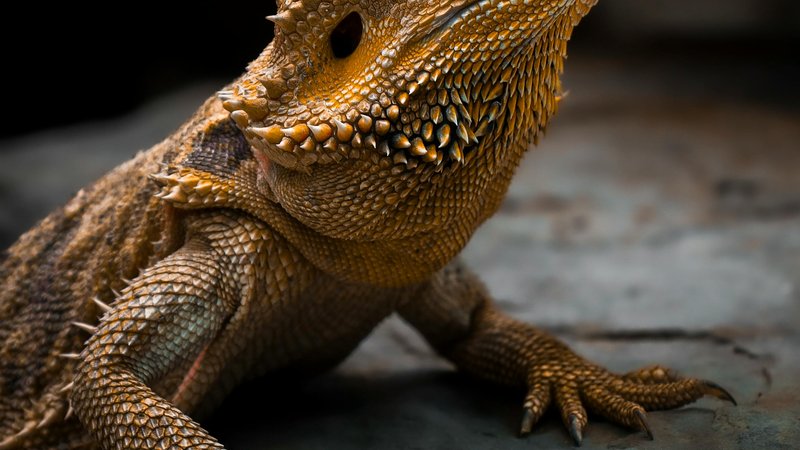
Traveling with a bearded dragon is entirely possible, but it takes careful planning. These reptiles are sensitive to temperature changes, unfamiliar environments, and stress — making preparation absolutely essential.
Whether you’re moving across town or crossing the country, understanding your dragon’s specific needs before you leave can make the entire journey safer and far less stressful for both of you.
Preparing Your Bearded Dragon for Travel: Pre-Trip Essentials
Start preparing at least one to two weeks before your trip. Schedule a wellness visit with a reptile-savvy veterinarian to confirm your dragon is healthy enough to travel.
Your vet can also provide a health certificate, which may be required depending on your destination. This document is especially important for air travel or interstate transport.
Gather your travel supplies early: a secure, ventilated carrier, chemical hand warmers, a small hide, and a familiar piece of substrate. Familiar smells genuinely help reduce anxiety.
Choosing the Right Transport Method: Road vs. Air Travel
Road travel is almost always the preferred option for bearded dragons. You control the temperature, can stop for breaks, and your dragon stays in a stable, familiar environment throughout the journey.
Air travel is more complicated. Not all airlines permit reptiles, and policies vary significantly between carriers. Always confirm directly with the airline well before booking.
If you’re considering flying, our detailed breakdown of flying with exotic companions covers current airline-specific rules worth reviewing before you commit to a flight.
Maintaining Temperature, Lighting, and Environmental Conditions
Bearded dragons are ectotherms, meaning they rely entirely on external heat sources to regulate body temperature. During transit, the carrier temperature should stay between 75°F and 85°F at minimum.
Chemical hand warmers placed outside the carrier — never directly inside — can help maintain warmth during short trips. For longer journeys, a battery-powered heat pad is a more reliable solution.
Avoid exposing your dragon to direct air conditioning vents or drafts in the car. Even brief cold exposure can suppress their immune system and trigger respiratory issues.
Managing Nutrition, Hydration, and Stress During Transit
Avoid feeding your bearded dragon for 24 hours before travel. A full digestive system combined with stress and movement can lead to regurgitation, which is dangerous for reptiles.
Offer a lukewarm soak the morning of departure to ensure your dragon is well-hydrated before the journey begins. Hydration helps buffer the physiological effects of travel stress.
Stress marks — dark patches on the belly and chin — are a visible sign your dragon is overwhelmed. According to bearded dragon stress research, giving your pet several weeks to adjust before resuming regular handling is strongly recommended after any major disruption.
Airline Policies, Documentation, and Health Requirements
For domestic U.S. flights, most bearded dragons travel with airline permission only. As outlined in this airline pet travel overview, no USDA or APHIS paperwork is typically required unless you are crossing into a state with specific reptile import restrictions.
International travel is a completely different situation. Each destination country has its own import requirements, and some nations ban reptile imports entirely.
The USDA recommends contacting an accredited veterinarian early when traveling abroad with any pet. Their international pet export guidance outlines the vaccinations, health certificates, and testing requirements you’ll need to meet well in advance. Planning for international travel with exotic pets shares similarities with the process covered in guides on traveling internationally with cats.
Post-Travel Recovery and Re-Acclimation Strategies
Once you arrive, set up your dragon’s enclosure immediately with all familiar elements: correct basking temperatures, UVB lighting, hides, and their usual substrate. Familiarity accelerates recovery.
Resist the urge to handle your dragon right away. Give them at least 48 to 72 hours of quiet time before reintroducing interaction. Patience here pays off enormously.
Monitor appetite, hydration, and behavior closely during the first week. Prolonged refusal to eat, persistent stress marks, or lethargy beyond a few days warrants a call to your reptile vet without delay.
With the right preparation, most bearded dragons adapt to travel remarkably well. Respect their pace, protect their environment, and your journey together can be a genuinely smooth experience.