
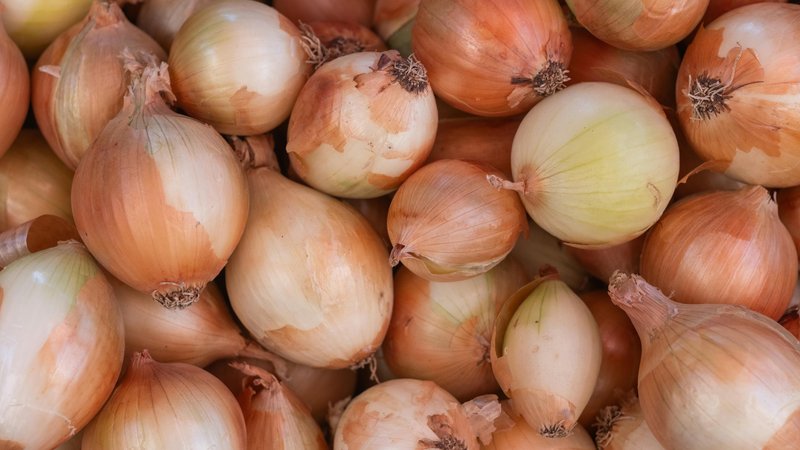
Can Dogs Eat Onions? Safety Guide for Pet Owners
If you’ve ever dropped a piece of onion on the kitchen floor and watched your dog snatch it up, you’re not alone — and it’s a genuinely alarming situation. Onions are one of the most dangerous foods a dog can consume, yet they appear in countless everyday meals and packaged foods.
Understanding exactly why onions are harmful, how much is too much, and what to do in an emergency can make a critical difference for your dog’s health and survival.
Why Onions Are Toxic to Dogs: Understanding the Dangerous Compounds
Onions belong to the Allium family and contain a compound called N-propyl disulfide. This organosulfur compound directly attacks a dog’s red blood cells, causing a condition known as hemolytic anemia.
When red blood cells are damaged faster than the body can replace them, oxygen delivery throughout the body becomes severely compromised. This process can begin even after a single significant exposure.
It’s worth noting that while onions offer documented cardiovascular benefits in humans — including protective effects against vascular disease and neurodegeneration — those same compounds are metabolized very differently in dogs, making them dangerous rather than beneficial.
Recognizing Onion Poisoning Symptoms in Your Dog
Symptoms of onion toxicity don’t always appear immediately. In many cases, signs develop one to several days after ingestion, which can make the connection to onion consumption easy to miss.
Key warning signs include lethargy, pale or yellowish gums, rapid breathing, weakness, vomiting, and loss of appetite. In severe cases, dogs may collapse or show signs of extreme distress.
According to veterinary emergency guidelines, any dog showing these symptoms after potential onion exposure should be treated as an urgent medical case requiring immediate professional attention.
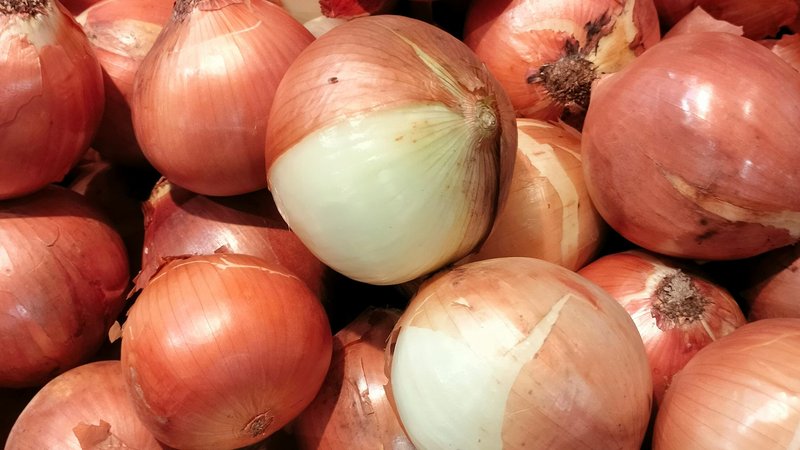
Toxicity Levels Across Onion Forms and Dog Sizes
All forms of onion are toxic — raw, cooked, powdered, and dehydrated. Onion powder is particularly dangerous because it is far more concentrated than fresh onion, meaning even a small amount can cause serious harm.
Toxicity is heavily influenced by body weight. As a general guideline, ingestion of as little as 0.5% of a dog’s body weight in onions can trigger toxic effects. A small dog weighing 10 pounds could be seriously harmed by less than a single ounce of onion powder.
Understanding how LD50 toxicity ratings work helps explain why dogs are more vulnerable than some other animals — species differences in metabolism mean that a dose tolerable to one animal can be lethal to another. This is also why foods safe for humans are not automatically safe for pets, something equally relevant when considering nutrient-dense options like lamb liver that require careful portion awareness.
Immediate Steps to Take if Your Dog Consumes Onions
If you know or suspect your dog has eaten onions, contact your veterinarian or an emergency animal poison control hotline immediately. Do not wait for symptoms to appear.
If ingestion was very recent — within one to two hours — a vet may induce vomiting to reduce the amount of toxin absorbed. Activated charcoal is sometimes used to limit further absorption in the gastrointestinal tract.
In more serious cases, hospitalization, intravenous fluids, and even blood transfusions may be necessary. Early intervention dramatically improves outcomes.
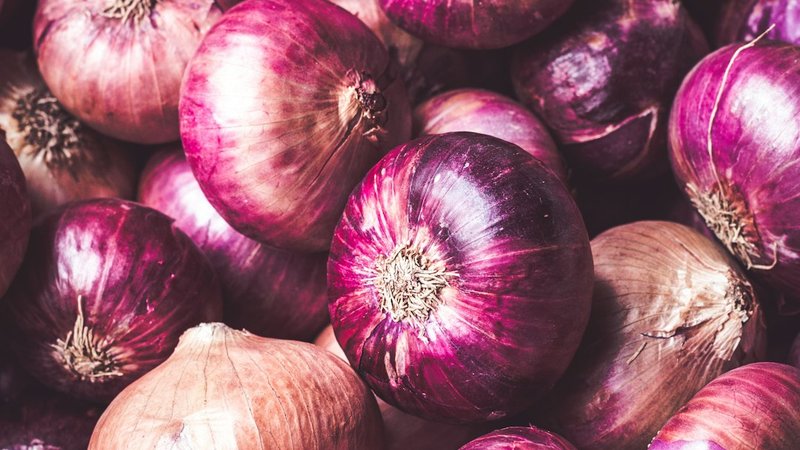
Prevention Strategies and Hidden Sources of Onion in Pet Foods
Prevention starts with awareness. Onion and garlic powder are found in baby food, broths, soups, gravies, and many seasoned meat products — all foods that dog owners sometimes share without realizing the danger.
Always read ingredient labels on any human food before offering it to your dog. Even small, repeated exposures to onion-containing foods can accumulate and eventually cause toxicity over time.
Keeping dangerous foods secured and educating everyone in the household — including children — is essential. Vets regularly warn that many common household items pose hidden risks that pet owners simply aren’t aware of until it’s too late.
The safest approach is a straightforward one: onions in any form have no place in a dog’s diet. When in doubt about any ingredient, a quick call to your vet is always worth it.