Can Dogs Eat Green Beans? Safety & Benefits
Green beans are a staple in many households, and it’s natural to wonder whether your dog can share in this crunchy vegetable. The good news is that green beans are not only safe for dogs but genuinely beneficial when served correctly.
Veterinarians and canine nutritionists widely recognize green beans as one of the healthiest snack options you can offer your pet. Understanding how to prepare and portion them properly makes all the difference.
Safety and Nutritional Value of Green Beans for Dogs
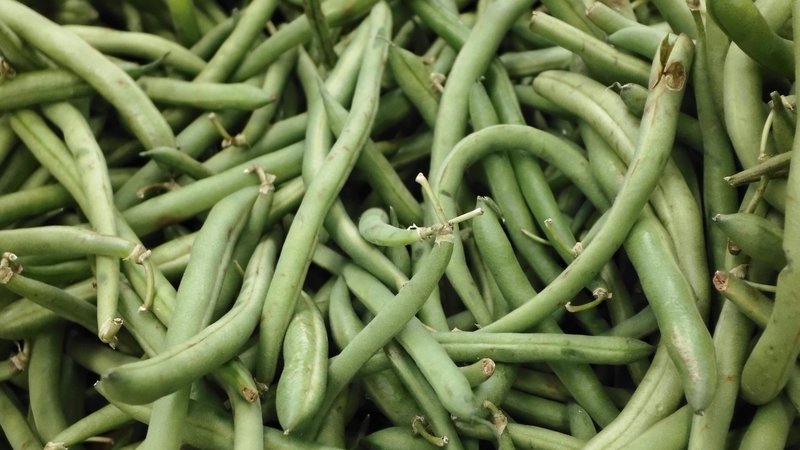
Green beans are completely non-toxic to dogs and are listed among the vegetables dogs can eat by the American Kennel Club. They contain vitamins A, C, and K, along with iron, calcium, and dietary fiber.
These nutrients support immune function, bone health, and healthy digestion. For a low-calorie snack, green beans deliver a surprisingly solid nutritional punch.
When choosing between fresh and canned, there is a meaningful difference worth noting. Fresh green beans offer slightly more vitamin C, potassium, and fiber with very little sodium, making them the nutritionally stronger option for your dog.
Canned green beans can still work in a pinch, but always choose varieties with no added salt. Excess sodium is harmful to dogs and should be avoided entirely.
Preparation Methods: Raw, Cooked, and Frozen Options
Dogs can enjoy green beans raw, steamed, boiled, or frozen. Each method has its own advantages depending on your dog’s preferences and dental health.
Raw and frozen green beans make excellent crunchy treats, especially during warmer months. Lightly steaming or boiling them softens the texture for senior dogs or those with dental sensitivities.
Never season green beans with garlic, onion, butter, or oils before offering them to your dog. These common cooking additions are toxic or unnecessarily high in fat for canine consumption.
Portion Control and Weight Management Benefits
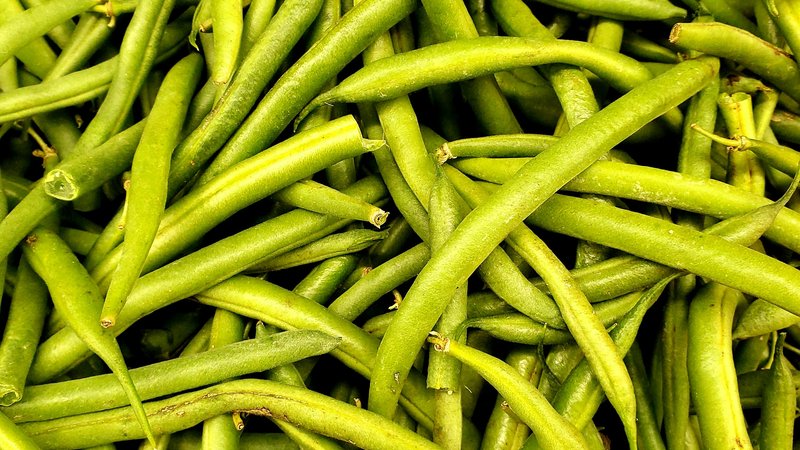
One of the most compelling reasons to add green beans to your dog’s diet is their remarkably low calorie count. According to green beans for weight loss research, a full pound of green beans contains fewer than 150 calories — making them an ideal treat for dogs on a calorie-restricted plan.
Some veterinarians recommend the “green bean diet” for overweight dogs, gradually replacing a portion of their regular kibble with green beans. This adds volume and fiber to meals without significantly increasing caloric intake.
Always consult your veterinarian before making any significant dietary changes. What works well for one dog may not be appropriate for another based on their individual health profile.
If you enjoy preparing wholesome food for your dog, pairing green beans with a protein-rich meal like homemade venison dog food can create a balanced, nutrient-dense dish your pup will love.
Green Beans for Different Dog Ages and Health Conditions
Green beans are appropriate for dogs across all life stages, from puppies to seniors. However, the preparation method should be adjusted based on age and health needs.
Puppies benefit from soft-cooked green beans that are easy to chew and digest. Senior dogs with arthritis or dental issues will also do better with a softer texture rather than raw or frozen options.
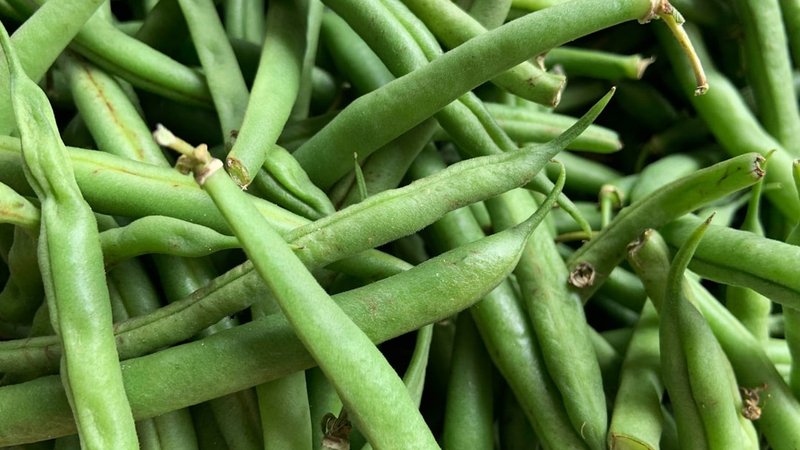
Dogs managing diabetes or obesity can particularly benefit from green beans as a regular snack. Their high fiber content helps regulate blood sugar and promotes a feeling of fullness between meals.
For dogs with kidney disease or specific dietary restrictions, always verify with your vet before introducing new foods. Even healthy vegetables can occasionally interfere with certain medical diets.
Potential Risks and When to Consult Your Veterinarian
Green beans are generally very safe, but there are a few risks to keep in mind. Whole green beans fed to small dogs can become a choking hazard, so always chop or slice them into appropriately sized pieces.
According to pet choking prevention guidance from Dr. Judy Morgan, food in large pieces for small dogs is a genuine safety concern that owners often overlook.
Overfeeding green beans can also lead to loose stools or digestive upset due to their high fiber content. Introduce them gradually and monitor your dog’s response over the first few days.
If your dog shows signs of an allergic reaction — such as itching, swelling, or vomiting — discontinue feeding immediately and contact your veterinarian. While rare, food sensitivities can develop at any age. Exploring other safe snack options for dogs can help you build a varied and well-rounded treat rotation.