

12 Dog Friendly National Parks in Europe: Complete Guide for Pet Owners
Europe’s national parks are some of the most breathtaking wild spaces on the planet, and many of them welcome well-behaved dogs on leads. Whether you’re planning a highland hike in Scotland or a forest walk in Germany, there’s a park waiting for you and your dog.
Before you pack the trail mix and the leash, it’s worth knowing that rules vary dramatically between countries and individual parks. Some require dogs to be leashed at all times, while others restrict access to certain zones entirely. Planning ahead makes all the difference.
If you’re organising overnight stays around your adventures, browsing options like pet friendly hotels in Europe can help you find accommodation that truly caters to dogs at every stop.
1. Lake District National Park, England
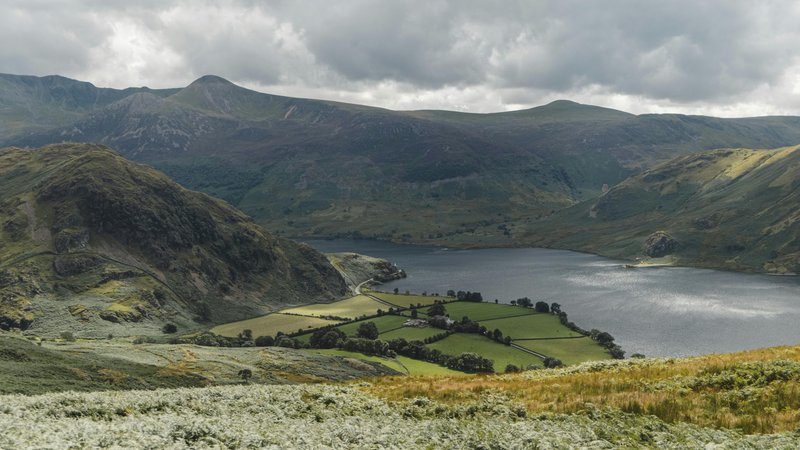
The Lake District is one of England’s most beloved walking destinations and is famously welcoming to dogs. Hundreds of miles of footpaths wind through fells, valleys, and lakeshores, giving dogs of all sizes a genuinely rewarding day out.
- Key Detail: Dogs must be kept on leads near livestock, particularly during lambing season from February to July.
- Important Note: Many cafés, pubs, and visitor centres across the park actively welcome dogs inside.
2. Snowdonia National Park, Wales
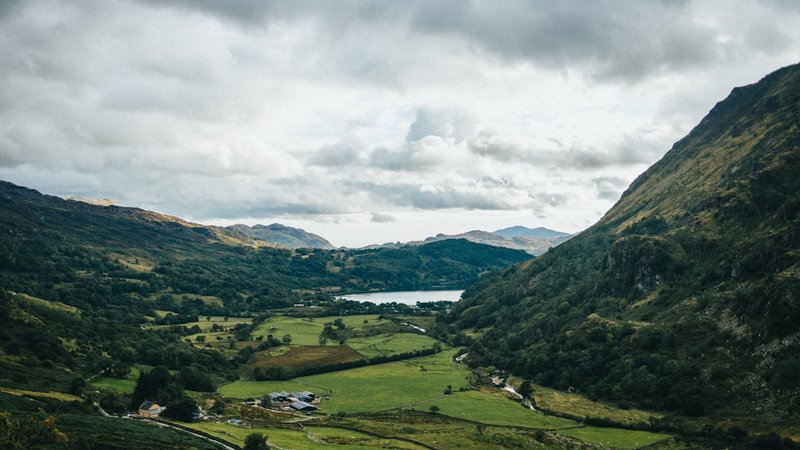
Snowdonia offers dramatic mountain terrain, ancient forests, and sweeping coastal edges — all accessible with dogs on leads. The park covers over 800 square miles, giving you and your dog an almost endless variety of trail options.
- Key Detail: Dogs are welcome on most trails but must be leashed on land where livestock graze.
- Important Note: Weather changes rapidly at altitude — always carry a waterproof layer for yourself and consider a dog coat for short-haired breeds.
3. Peak District National Park, England
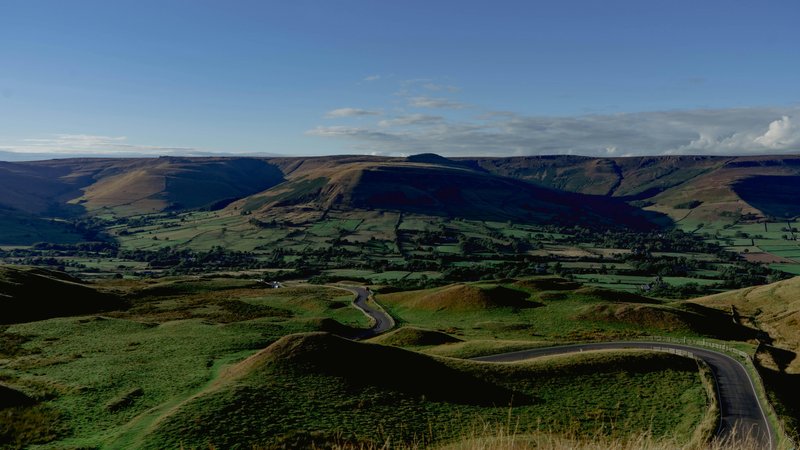
The Peak District was Britain’s first national park and remains one of the most visited, yet it never feels overcrowded on its quieter moorland paths. Dogs thrive here on the open heather moorlands and riverside trails that crisscross the region.
- Key Detail: Seasonal restrictions apply on some moorland areas during ground-nesting bird season, typically March to July.
- Important Note: The park has an excellent network of dog-friendly pubs and farm shops along popular routes.
4. Cairngorms National Park, Scotland

The Cairngorms is the UK’s largest national park and a paradise for active dogs and their owners. Ancient Caledonian pine forests, open plateaus, and river glens offer terrain that suits energetic breeds especially well.
- Key Detail: Dogs should be kept on leads near ground-nesting birds and deer, particularly from April to August.
- Important Note: Temperatures at higher elevations can drop sharply even in summer — cold-weather breeds like those covered in guides to large dog breeds for cold climates tend to excel here.
5. Berchtesgaden National Park, Germany
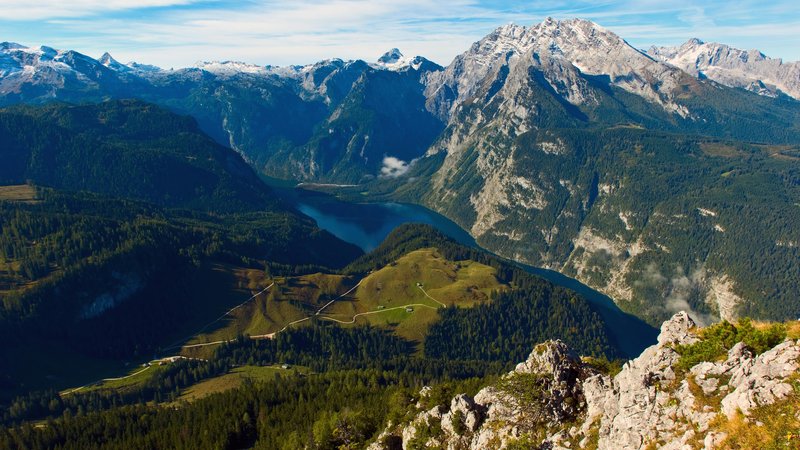
Berchtesgaden sits in the Bavarian Alps and is one of Germany’s most spectacular protected landscapes. Dogs are permitted in many areas, though the core wilderness zones have strict access rules to protect wildlife.
- Key Detail: Dogs must remain on leads at all times within the park boundaries — no exceptions.
- Important Note: Trails reach significant elevations, so ensure your dog is physically conditioned for alpine terrain before visiting.
6. Eifel National Park, Germany
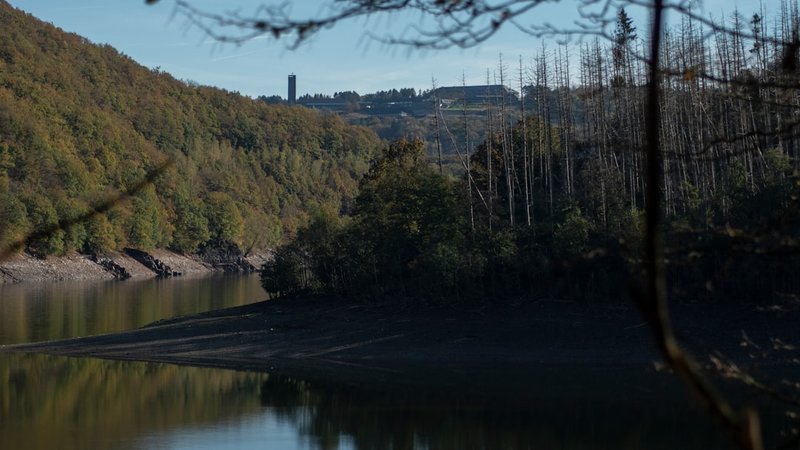
The Eifel National Park in western Germany offers dense beech forests, volcanic lakes, and peaceful trails that are genuinely accessible for dogs and families alike. It’s a gentler alpine alternative compared to Bavaria’s more demanding peaks.
- Key Detail: Dogs are allowed on designated trails only and must be kept on a lead no longer than 1.5 metres.
- Important Note: The park operates a strict “leave no trace” policy — always carry waste bags and dispose of them responsibly.
7. Plitvice Lakes National Park, Croatia
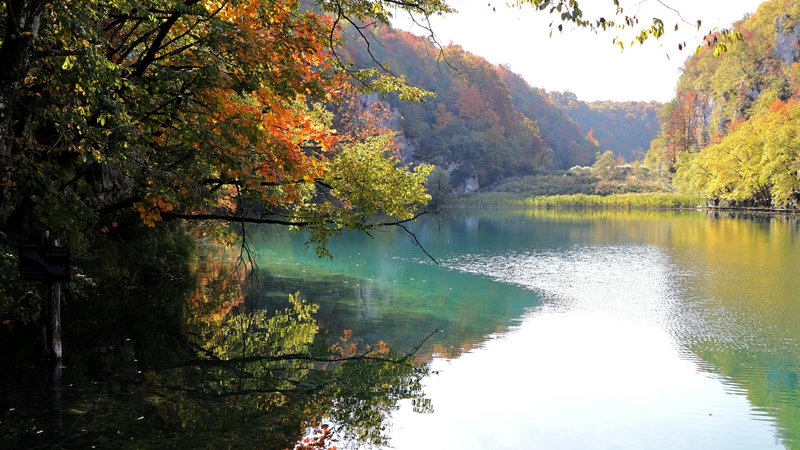
Plitvice Lakes is one of Europe’s most photographed natural wonders, with cascading turquoise lakes and wooden boardwalk trails. However, dog access here is more restricted than at most parks on this list, so planning is essential.
- Key Detail: Dogs are generally not permitted on the main boardwalk trails inside the UNESCO-listed core zone.
- Important Note: Pet-friendly walking routes exist on the park’s outer edges — contact the park authority directly for current access maps before visiting.
8. Triglav National Park, Slovenia
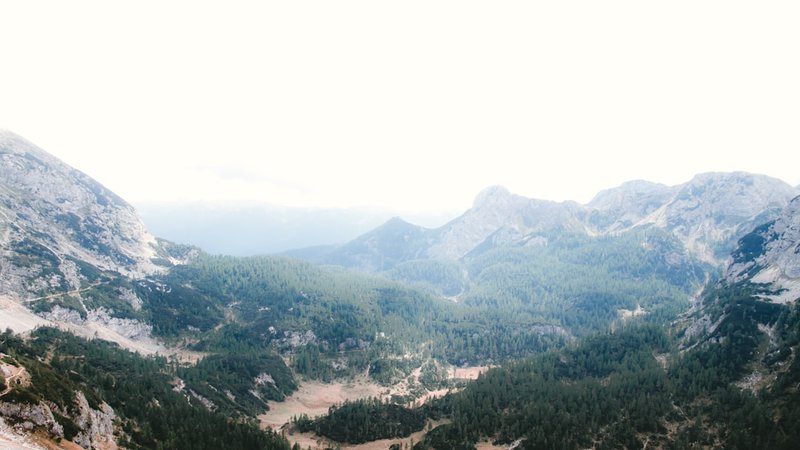
Slovenia’s only national park surrounds Mount Triglav and encompasses some of the most dramatic alpine scenery in central Europe. Dogs are welcome in many areas of the park, though mountain trails require a genuinely fit and trail-hardened dog.
- Key Detail: Dogs must be leashed throughout the park and are not permitted in certain protected wildlife corridors.
- Important Note: Preparing your car journey to the trailhead matters — tips on preparing a dog for a long car journey are especially useful for reaching remote Slovenian trailheads.
9. Swiss National Park, Switzerland
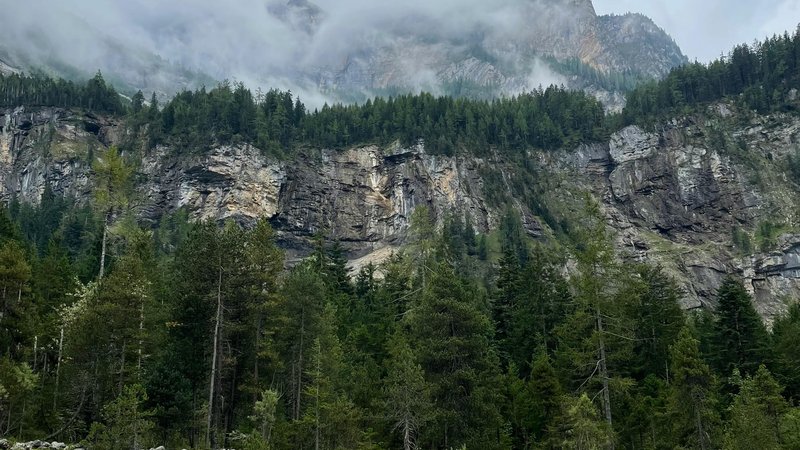
The Swiss National Park is Switzerland’s only national park and operates under some of the strictest conservation rules in Europe. It is a place of extraordinary natural beauty — but dog owners should be aware that access rules are firm.
- Key Detail: Dogs are not permitted anywhere within the Swiss National Park boundaries — this rule is enforced without exceptions.
- Important Note: The surrounding Engadin valley offers excellent dog-friendly walking routes just outside the park’s restricted zone.
10. Tatras National Park, Poland
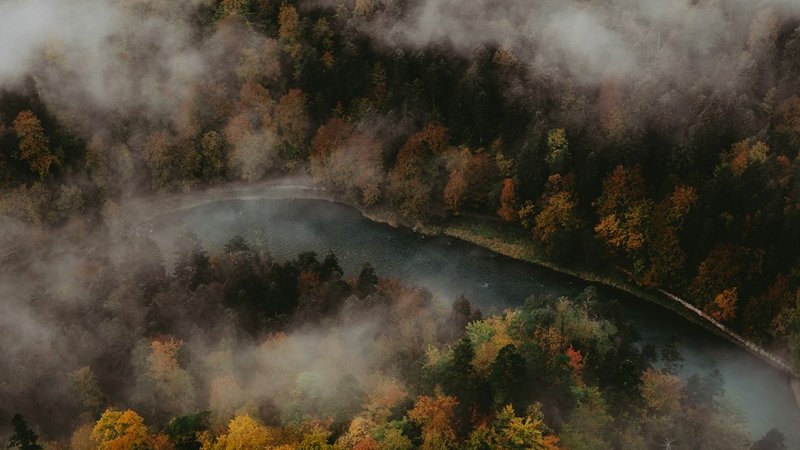
The Polish Tatras form a jagged alpine spine along the Slovak border and are home to wolves, lynx, and brown bears. Dogs are permitted on some trails, but the high mountain terrain demands careful preparation and physical conditioning.
- Key Detail: Dogs must be kept on leads at all times and are banned from certain ecologically sensitive trail sections.
- Important Note: Breeds with strong stamina and a weather-resistant coat — such as Border Collies, renowned for their intelligence and agility — handle the demanding terrain particularly well.
11. Peneda-Gerês National Park, Portugal
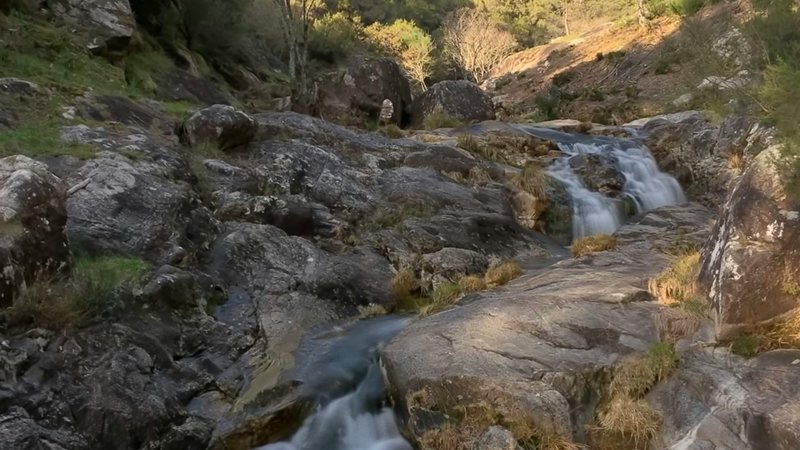
Portugal’s only national park sits in the mountainous northwest and is one of the Iberian Peninsula’s most rewarding wild spaces. Dogs are welcome here, and the park’s relatively mild climate makes it accessible for much of the year.
- Key Detail: Dogs must be kept on leads in all areas and are not permitted to enter the park’s designated wildlife sanctuary zones.
- Important Note: Tick prevention is essential here — the park’s dense vegetation makes tick exposure a genuine risk for dogs year-round.
12. Meteora National Park, Greece
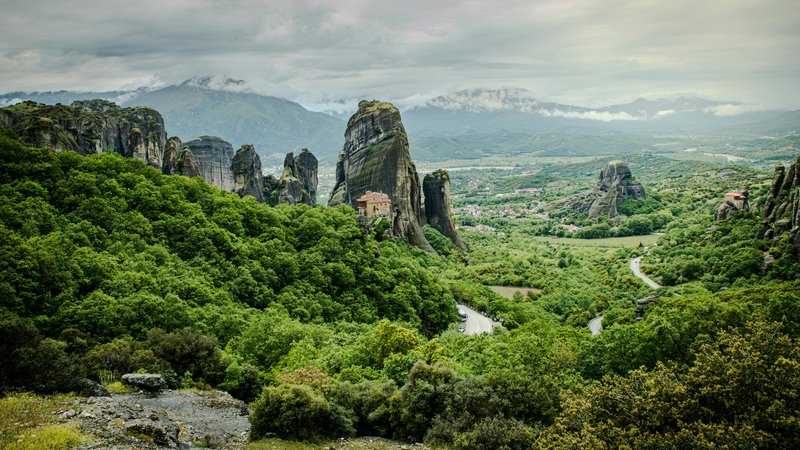
Meteora is best known for its monasteries perched atop towering rock formations, but the surrounding national park offers quieter walking trails where dogs are welcome. It’s a culturally rich and visually stunning destination that suits calmer, well-socialised dogs particularly well.
- Key Detail: Dogs are not permitted inside the monastery grounds but can walk the scenic trails and viewpoints throughout the wider park area.
- Important Note: Summer temperatures in Greece can be extreme — always carry sufficient water for your dog and plan walks for early morning or evening hours.
Essential Preparation: Dog Fitness, Vaccinations, and Health Requirements for European Alpine Parks
Before heading to any high-altitude park in Europe, your dog’s physical fitness should be assessed honestly. Parks like Berchtesgaden, Triglav, and the Tatras involve significant elevation gain, and an unfit dog faces real health risks on steep mountain terrain.
Altitude acclimatisation matters for dogs just as it does for humans. Research published by the National Institutes of Health highlights that gradual exposure to increasing elevations — rather than rapid ascent — significantly reduces the risk of altitude-related illness, a principle that applies equally to canine companions.
Vaccinations and parasite prevention are non-negotiable when crossing European borders with a dog. Most EU countries require a valid EU Pet Passport, rabies vaccination, and microchipping as a minimum. Some countries also require tapeworm treatment within a specific window before entry.
Emergency veterinary access should always be part of your planning. Services like VEG ER for Pets demonstrate the kind of around-the-clock emergency care that responsible pet owners should identify in advance when travelling to unfamiliar regions.
Paw care is frequently overlooked but critically important on alpine and rocky trails. Sharp scree, hot summer paths, and icy winter surfaces can all cause painful paw injuries. Inspect your dog’s paws after every hike and consider protective boots for particularly demanding terrain.
Hydration, rest breaks, and knowing your dog’s limits are the simplest and most effective safety measures you can take. A well-prepared dog in a dog friendly national park in Europe is a happy one — and these extraordinary landscapes are absolutely worth every bit of planning they require.