Can Dogs Eat Bacon? Safety Guide for Pet Owners
That sizzling strip of bacon on your plate is hard for anyone to resist — including your dog. But just because your pup is begging doesn’t mean bacon is safe to share.
The short answer is: dogs can technically eat bacon, but it comes with real risks. Understanding those risks can help you make a smarter, safer choice for your pet.
Understanding Bacon’s Nutritional Composition and Canine Dietary Needs
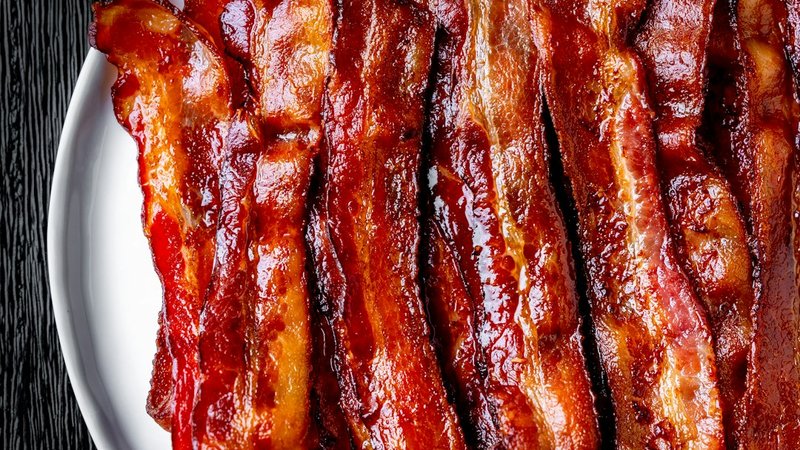
Bacon is a cured, processed pork product loaded with fat, sodium, and preservatives. While dogs are omnivores capable of digesting a variety of foods, their systems are not designed to handle heavily processed meats on a regular basis.
A dog’s ideal diet centers on high-quality protein, healthy fats, and balanced micronutrients. Bacon offers some protein, but the negatives far outweigh that single benefit.
Health Risks Associated with Bacon Consumption in Dogs
One of the most immediate concerns is pancreatitis — a painful and potentially life-threatening inflammation of the pancreas triggered by high-fat foods. Even a small amount of bacon grease can set this condition off in sensitive dogs.
Repeated exposure to fatty foods can also lead to obesity, which compounds into joint problems, heart disease, and a shortened lifespan. This is a serious concern across all breeds and sizes.
Sodium, Fat, and Nitrate Content: Why These Matter for Your Pet
A single strip of bacon can contain over 130 mg of sodium. Dogs have a much lower sodium tolerance than humans, and excessive intake can lead to sodium ion poisoning, causing symptoms like vomiting, diarrhea, tremors, and seizures.
Bacon also contains nitrates and nitrites — chemical preservatives used in curing. Long-term exposure to these compounds has been linked to increased cancer risk in both humans and animals.
The saturated fat content is equally problematic. High saturated fat intake disrupts healthy cholesterol levels and strains the cardiovascular system over time.
Safe Portion Guidelines and Bacon Alternatives for Training Treats
If your dog sneaks a tiny piece of plain, fully cooked bacon, it’s unlikely to cause immediate harm in a healthy adult dog. The danger lies in frequency and quantity.
For training treats, lean protein alternatives are far safer. Small pieces of cooked chicken breast, turkey, or even rabbit prepared for dogs offer protein-rich rewards without the harmful additives.
If you’re exploring plant-based options for your own household, it’s worth noting that some plant-based bacon alternatives deliver a surprisingly close flavor to traditional bacon — though these are formulated for humans, not dogs, and should not be shared with your pet.
For dogs that love savory flavors, tuna in spring water is another low-fat, high-protein treat option worth considering.
Breed and Age-Specific Considerations for Bacon Consumption
Not all dogs carry the same risk level. Puppies, classified as dogs aged 0–6 months according to veterinary life stage research, have developing digestive systems that are especially vulnerable to high-fat, high-sodium foods.
Large breed dogs face an additional layer of concern. According to veterinary health comparisons, large dogs may develop age-related illnesses earlier than smaller breeds, making dietary management even more critical throughout their lives.
Small breeds, while they may age differently, are highly susceptible to sodium toxicity due to their lower body mass. Even a single strip could represent a disproportionately large sodium load for a small dog.
What to Do If Your Dog Ingests Bacon or Bacon Grease
If your dog ate a small piece of cooked bacon, monitor them for the next 24 hours. Watch for vomiting, diarrhea, lethargy, or signs of abdominal pain like hunching or reluctance to move.
If your dog consumed a large amount of bacon or drank bacon grease, contact your veterinarian immediately. Grease is particularly dangerous because it is concentrated fat that absorbs rapidly.
Never induce vomiting unless specifically directed by a vet. The safest step is always professional guidance when you’re uncertain about the quantity or your dog’s reaction.
Keeping your dog’s diet clean and consistent is one of the most powerful things you can do for their long-term health. Bacon might smell irresistible, but your dog’s wellbeing is always worth more than a moment of indulgence.