Can Dogs Eat Pork? Safety Guide for Pet Owners
Pork is one of the most consumed meats in the world, so it is natural to wonder whether your dog can share in it too. The short answer is yes — but with some important conditions attached.
Not all pork is created equal when it comes to your dog’s safety. How it is prepared, what is added to it, and how much your dog eats all play a significant role in whether it is a healthy treat or a potential hazard.
Understanding Pork Safety for Dogs
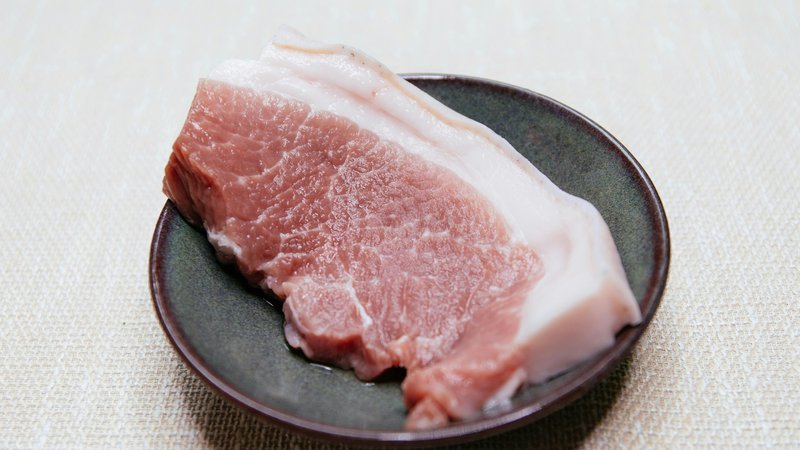
Plain, cooked pork is generally safe for dogs to eat in moderation. It is a digestible protein source that many dogs tolerate well.
Interestingly, pork is actually a relatively uncommon allergen in dogs. According to peer-reviewed allergy research, pork was identified as an offending food allergen in only 7 out of 297 dogs studied — accounting for just 2% of cases. Beef, dairy, and chicken were far more frequent culprits.
This makes pork a reasonable protein option for dogs who struggle with more common food sensitivities. It is worth discussing with your veterinarian if your dog has a history of food reactions.
Raw Pork Risks and Parasitic Concerns
Raw pork carries a real and serious risk: Trichinella spiralis, a parasitic roundworm that can cause trichinosis in both dogs and humans. This is not a theoretical concern — it is a documented health risk.
Dogs infected with intestinal parasites from raw meat may show symptoms including vomiting, diarrhea, lethargy, and muscle stiffness. Understanding common dog parasites and how they spread can help you make safer feeding decisions.
Raw or undercooked pork should never be fed to your dog. Thorough cooking kills parasites and significantly reduces bacterial contamination risks.
Preparing Cooked Pork for Your Dog
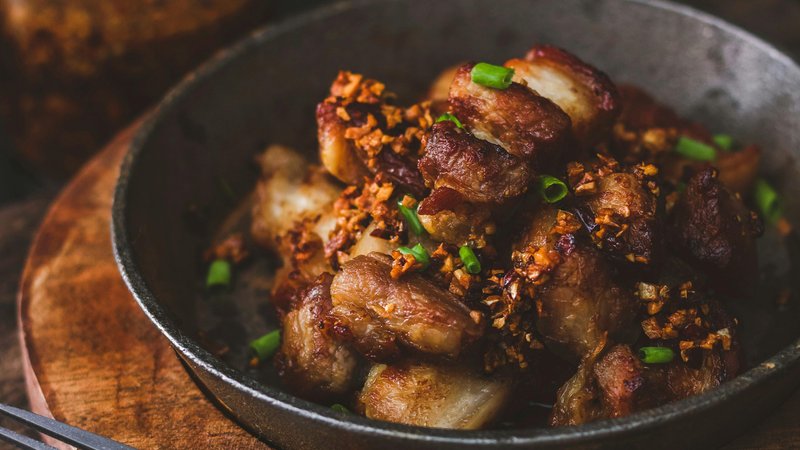
When preparing pork for your dog, keep it simple. Plain, fully cooked pork with no seasonings, marinades, sauces, or additives is the only version appropriate for dogs.
Garlic, onion, and many common spice blends are toxic to dogs. Even small amounts of these ingredients can cause serious harm, so always cook your dog’s portion separately.
Pork bones are another critical concern. Cooked bones of any kind can splinter and cause internal injuries or obstructions. As veterinarians have long warned, cooked bones pose a deadly risk and should never be given to dogs under any circumstances.
High-Risk Pork Products to Avoid
Many processed pork products are far too dangerous for dogs. Bacon, ham, sausage, and deli meats are loaded with salt, preservatives, and added fats that can seriously harm your dog’s health.
High-fat pork meals are a leading dietary trigger for pancreatitis in dogs — a painful and potentially life-threatening inflammation of the pancreas. Learning about pancreatitis symptoms in dogs is essential for any owner who feeds table scraps.
Smoked or cured pork products also contain nitrates and sodium levels that are completely unsuitable for canine consumption. These should be kept entirely off the menu.
Portion Control and Nutritional Considerations
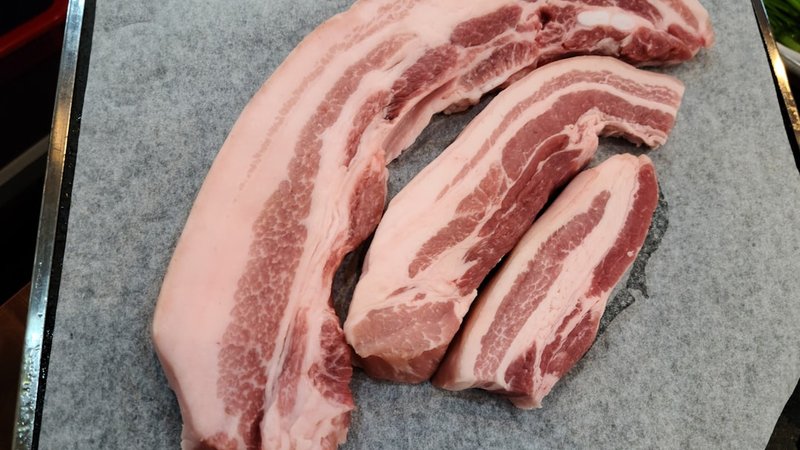
Pork is a calorie-dense protein. The AKC notes that pork contains more calories per pound compared to many other meats, which means portion sizes matter even more than with leaner proteins like chicken or turkey.
For most dogs, pork should be an occasional treat rather than a dietary staple. It should never make up more than 10% of your dog’s daily caloric intake.
If you are interested in expanding your dog’s protein variety beyond conventional meats, options like homemade rabbit for dogs offer a lean, novel protein alternative worth exploring.
Always introduce any new food gradually and monitor your dog for signs of digestive upset, allergic reactions, or behavioral changes. When in doubt, your veterinarian is your best resource for personalized dietary guidance.