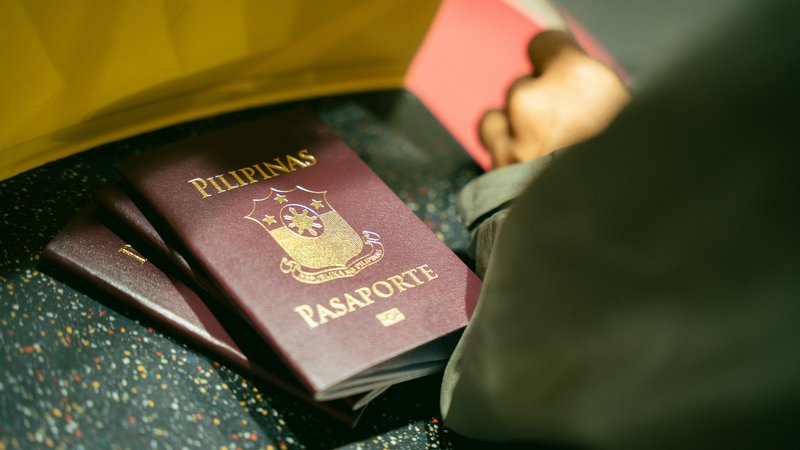
How to Get a Pet Passport in Europe
Planning to travel across Europe with your dog or cat is one of the most rewarding experiences a pet owner can have. But before you pack the leash and the treats, there is one document that makes everything possible.
The EU pet passport is an official booklet that allows your pet to move freely between European Union member states. Understanding how to get one — and what it actually covers — can save you serious stress at the border.
Understanding the European Pet Passport System
The EU pet passport was introduced to simplify travel for pets within Europe. It is a standardized document recognized across all EU member states, plus several associated countries.
Only dogs, cats, and ferrets are eligible for an EU pet passport. Other animals, including birds and reptiles, follow entirely different import regulations depending on the destination country.
The passport records your pet’s identity, microchip number, vaccination history, and any relevant health treatments. Think of it as your pet’s official travel ID.
Essential Requirements and Documentation
To obtain an EU pet passport, your pet must first be microchipped with an ISO 11784/11785-compliant chip. This is non-negotiable — the microchip must be implanted before or on the same day as the rabies vaccination.
Once microchipped and vaccinated, you visit an authorized veterinarian who is licensed to issue official travel documentation. Not every vet clinic holds this authorization, so it is worth calling ahead.
The vet fills out and signs the passport, which then becomes a legally recognized document throughout the EU. Keep it safe — replacing a lost passport requires starting parts of the process over again.
Vaccination and Health Standards for Pet Travel
A valid rabies vaccination is the cornerstone of any EU pet travel document. The vaccine must be administered by a licensed vet and recorded with the batch number, date, and booster schedule.
Most EU countries also require tapeworm treatment for dogs entering from certain regions, particularly the UK and Finland. This treatment must be administered by a vet between 24 and 120 hours before arrival.
Some destinations have additional requirements around tick treatments or health certificates. Always verify the specific entry rules for your destination country well in advance of your travel date.
Traveling Within the EU and Beyond
If you are based within the EU, your pet passport allows seamless movement between member states without repeated veterinary checks at each border. It is designed for frequent, hassle-free travel.
Pet owners traveling from countries like Iceland, Norway, Switzerland, or Liechtenstein can also use the EU pet entry rules — pets from these listed non-EU nations are permitted to enter with a recognized passport rather than a one-time certificate.
For travelers arriving from outside the EU — such as from the United States or the United Kingdom — the situation is different. These pet owners require an EU Animal Health Certificate, which is valid for 10 days upon entry and covers travel within the EU for up to 4 months.
Planning pet-friendly accommodation across Europe well ahead of your trip helps you align your arrival timing with your documentation validity windows.
Renewal and Validity Periods
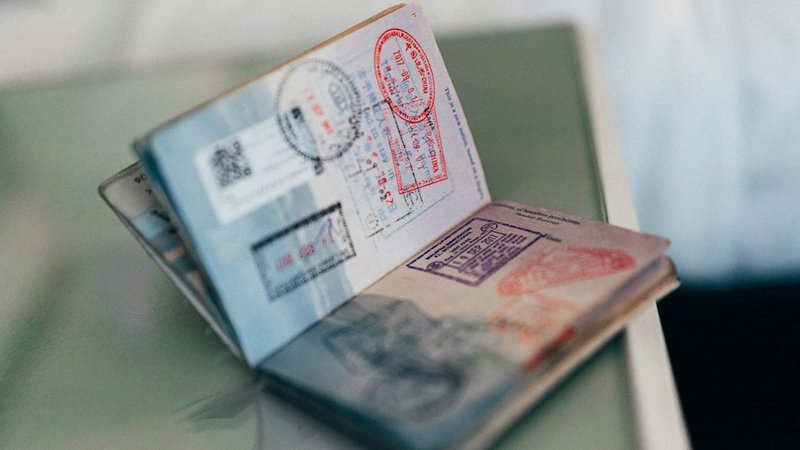
The EU pet passport itself does not expire — the physical booklet is a lifetime document for your pet. However, the entries inside it, particularly the rabies vaccination, must remain current.
If your pet’s rabies booster lapses, the passport is effectively invalid for travel until the vaccination is updated by an authorized vet. Always track booster dates well before any planned trip.
Some owners traveling frequently across borders are exploring digital pet passport options as a complement to physical documentation, though these remain in limited beta access at this stage.
If your pet was issued a passport under older EU regulations, it may still be valid. However, it is worth having an authorized vet review the document to confirm it meets current entry standards for your destination.
Whether you are a seasoned traveler or preparing for your first cross-border adventure, getting the paperwork right from the start means more time enjoying the journey — and less time explaining things at customs. If you are also thinking through the logistics of long road trips with your dog, preparing your dog for a long car journey is just as important as having the right documents in hand.