Can Dogs Eat Scallops? Safety Guide for Pet Owners
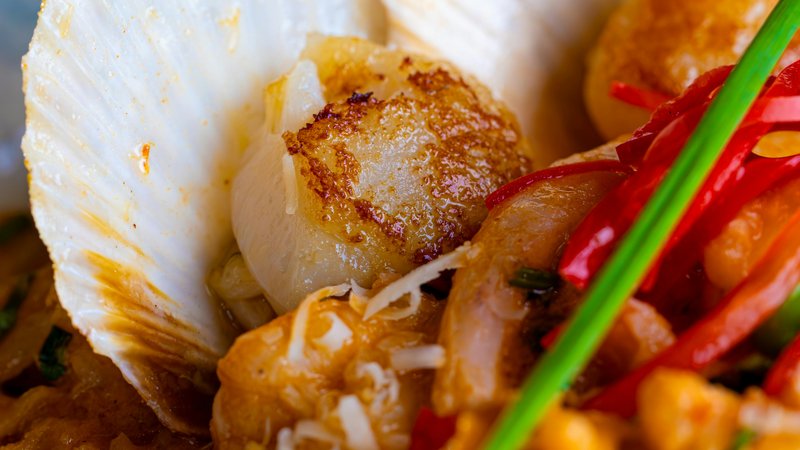
Scallops are a delicious and nutritious seafood enjoyed by people around the world, but many dog owners pause before sharing a bite with their furry companion. The good news is that plain, properly cooked scallops are generally safe for dogs to eat in moderation.
That said, how you prepare them makes all the difference. Understanding the benefits, risks, and correct serving methods will help you make the best decision for your dog’s health.
Nutritional Value and Health Benefits of Scallops for Dogs
Scallops are surprisingly nutrient-dense. They are an excellent source of lean protein, magnesium, potassium, and omega-3 fatty acids, all of which support muscle development, heart health, and a shiny coat in dogs.
The high protein content is especially valuable. Protein supports tissue repair, immune function, and sustained energy levels, making scallops a worthwhile occasional treat for active dogs.
Scallops also contain vitamin B12, which plays a key role in healthy nerve function and red blood cell production. For dogs who need a nutritional boost, this shellfish can be a smart supplement to their regular meals.
Safe Preparation Methods and Cooking Guidelines
Cooking method is everything when it comes to feeding scallops to your dog. While raw scallops reward you with delicate texture and flavor, while cooked scallops give you a safer plate — and for dogs, cooked is always the right choice.
Raw shellfish can harbor harmful bacteria and parasites that may cause serious gastrointestinal illness in dogs. Always steam or boil scallops plain, without any added butter, garlic, onion, salt, or seasoning.
Garlic and onion are toxic to dogs, and excess salt can lead to sodium ion poisoning. Keep the preparation as simple as possible — plain and fully cooked is the golden rule.

Portion Control and Serving Recommendations by Dog Size
Scallops should only be offered as an occasional treat, not a dietary staple. Treats should never exceed 10% of your dog’s total daily caloric intake, according to standard veterinary feeding guidelines.
For small dogs, half a scallop once or twice a week is plenty. Larger breeds can handle one full scallop as a treat. Always cut scallops into small, manageable pieces to prevent choking, especially for smaller dogs.
If you’re unsure how scallops fit into your dog’s broader meal plan, reviewing daily portion sizing by weight is a helpful starting point before introducing new foods.
Potential Health Risks and Allergic Reactions
While scallops are safe for most dogs, shellfish allergies do exist in the canine world. Signs of an allergic reaction include itching, hives, swelling, vomiting, or diarrhea appearing shortly after consumption.
If your dog has never eaten shellfish before, introduce scallops in a very small amount and monitor closely for 24 hours. Any adverse reaction warrants an immediate call to your vet.
Dogs with kidney disease or heart conditions should avoid scallops entirely due to their naturally higher sodium and phosphorus content. Always factor in your dog’s existing health conditions before introducing new foods.
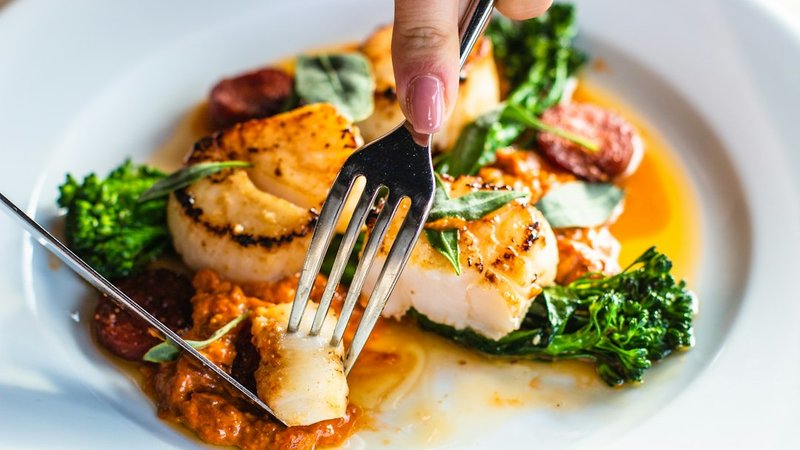
Scallops Compared to Other Safe Seafood Options for Dogs
Scallops are just one of several seafood options that can benefit dogs when served correctly. Plain cooked salmon, sardines, and shrimp are also popular choices that offer omega-3s and lean protein.
If you enjoy diversifying your dog’s protein sources, exploring options like tuna in spring water is another well-regarded choice among pet owners looking for variety. Each seafood type carries its own preparation requirements, so always research before serving.
Avoid shellfish like clams, oysters, and mussels more frequently, as these carry a higher risk of contamination and digestive upset compared to scallops.
When to Consult Your Veterinarian About Shellfish in Your Dog’s Diet
Before adding any new protein to your dog’s diet, a quick conversation with your vet is always worthwhile. This is especially true for dogs with food sensitivities, chronic illness, or those on prescription diets.
Your vet can help you determine the right frequency and portion size based on your dog’s weight, age, and health history. If you don’t yet have a trusted veterinarian, finding a qualified veterinarian in your area is the most important step you can take for your pet’s long-term wellbeing.
Scallops can absolutely be a safe, nutritious, and enjoyable treat for most dogs — as long as they’re plain, fully cooked, and served in appropriate portions. When in doubt, your vet’s guidance is always the most reliable resource.