20 Airlines That Allow Cats in Cabin: Complete Guide for Pet Travel
Flying with your cat doesn’t have to be a logistical nightmare. Dozens of major carriers worldwide permit cats to travel in the passenger cabin, tucked safely under the seat in front of you.
But policies vary dramatically between airlines. Fees, carrier dimensions, weight limits, and documentation requirements differ from one carrier to the next — and getting the details wrong can mean your cat doesn’t board.
This guide covers every major airline that currently allows in-cabin cat travel, with the specific rules you need to know before you book. Whether you’re flying domestically or crossing international borders, this is your starting point.
1. American Airlines
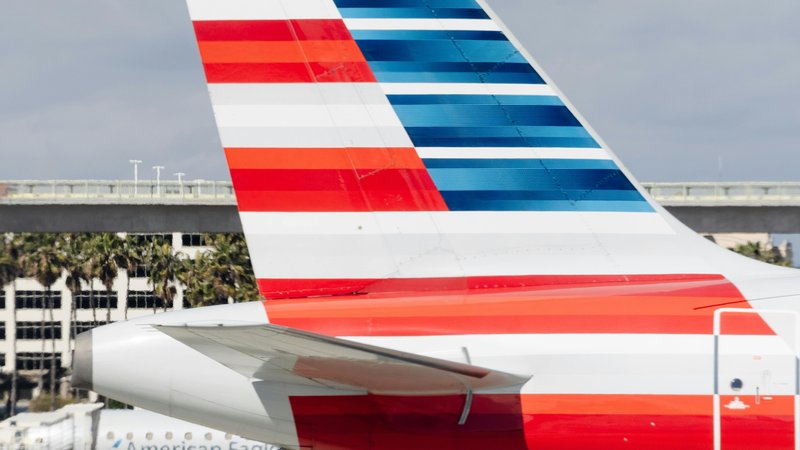
American Airlines is one of the most widely used carriers for in-cabin cat travel across the United States. Cats must remain in an approved soft-sided carrier that fits under the seat for the entire flight, as shared by real traveler experiences on popular travel forums.
- Key Detail: The in-cabin pet fee is $125 each way for domestic travel within the U.S., Canada, Mexico, and the Caribbean.
- Important Note: No health certificate is required for domestic travel, but your cat will be visually inspected at the security checkpoint to confirm it is a live animal.
2. United Airlines
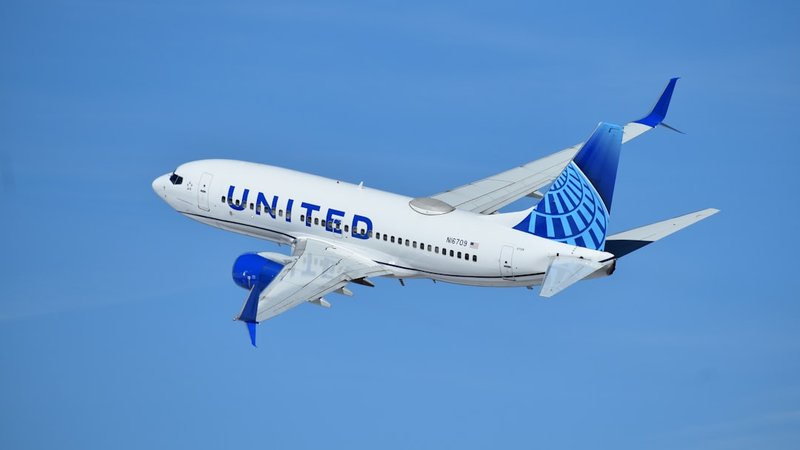
United Airlines accepts cats in the cabin on most domestic routes and select international flights under its PetSafe program. The carrier must fit completely under the seat in front of you without blocking the aisle or seat.
- Key Detail: The in-cabin pet fee is $125 each way for domestic and most international routes.
- Important Note: United limits the number of in-cabin pets per flight, so reserving your cat’s spot as early as possible is essential — spots fill up fast on popular routes.
3. Delta Air Lines
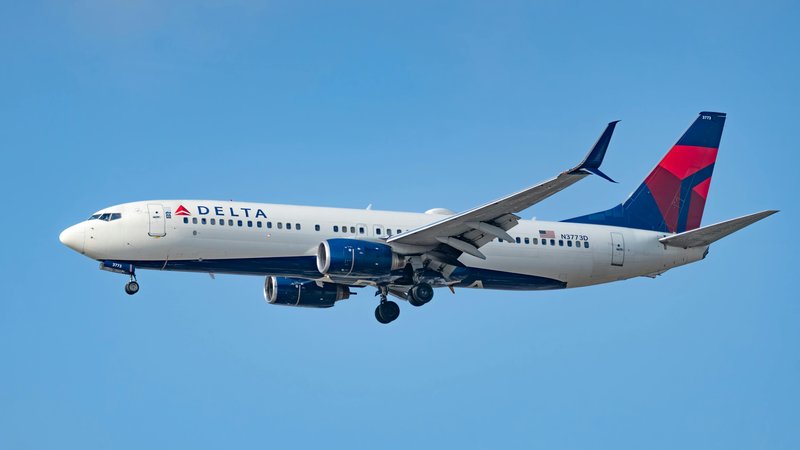
Delta allows cats to travel in the cabin on domestic U.S. flights, as well as select international routes. Cats must be at least 10 weeks old and fully weaned before flying with Delta.
- Key Detail: Delta charges $125 each way for in-cabin pets on domestic flights and $200 each way for international routes.
- Important Note: Delta does not allow in-cabin pets on flights to or from Hawaii, and international routes have additional health documentation requirements.
4. Southwest Airlines

Southwest Airlines is a budget-friendly option for traveling with cats in the cabin on domestic U.S. routes. It is one of the most straightforward carriers for pet travel, with a simple flat fee structure and no breed restrictions for cats.
- Key Detail: Southwest charges $125 each way per pet carrier, and only domestic U.S. travel is permitted — no international cat cabin travel is available.
- Important Note: Only six pet carriers are allowed per flight, so booking your cat’s spot at the same time as your ticket is strongly advised.
5. Alaska Airlines
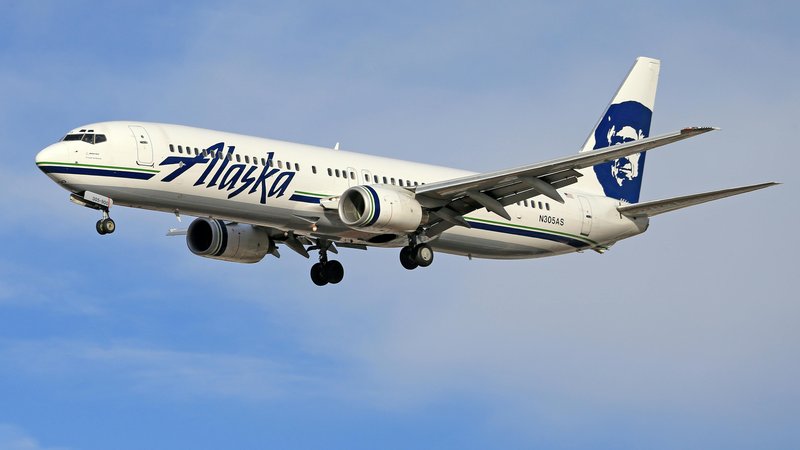
Alaska Airlines permits cats to travel in the cabin on domestic U.S. routes and some flights to Mexico and Canada. The airline has a clear and well-documented pet policy that makes planning straightforward for cat owners.
- Key Detail: Alaska Airlines charges $100 each way for in-cabin pets, making it one of the more affordable major U.S. carriers for cat travel.
- Important Note: The combined weight of your cat and carrier must not exceed 20 lbs, and the carrier must fit under the seat in front of you at all times.
6. JetBlue Airways
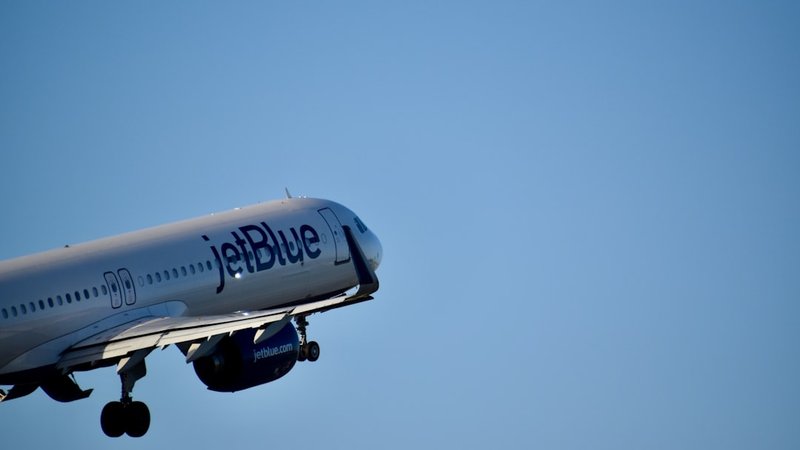
JetBlue is frequently praised by cat owners for its JetPaws program, which offers a dedicated support structure for traveling with pets. The airline allows cats in the cabin on domestic U.S. routes and select Caribbean and Latin American destinations.
- Key Detail: JetBlue charges $125 each way per carrier, and only one pet carrier is allowed per passenger.
- Important Note: JetBlue limits the total number of pets per aircraft to four, so early booking is critical — this limit is reached quickly on popular routes.
7. Spirit Airlines
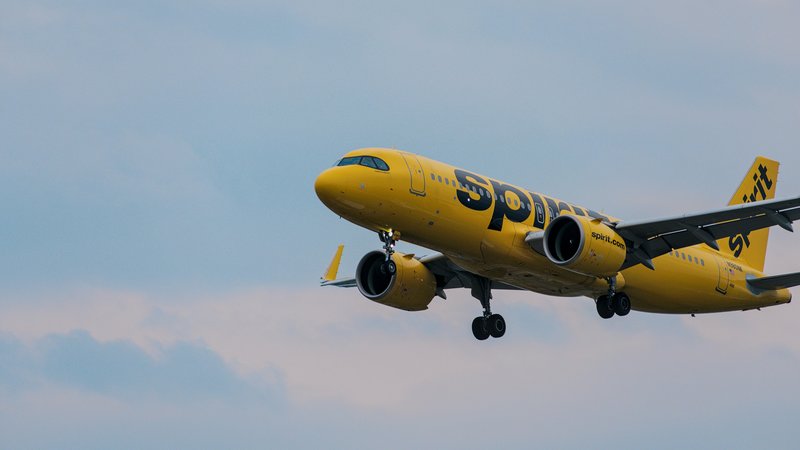
Spirit Airlines is a low-cost carrier that does allow cats to travel in the cabin on domestic U.S. flights. While the base fare may be lower, pet fees still apply and should be factored into your total travel budget, as outlined in this detailed airline pet fee comparison.
- Key Detail: Spirit charges $125 each way for an in-cabin pet, and the carrier must fit under the seat in front of you throughout the flight.
- Important Note: Spirit limits the number of pets per flight, and their customer service for pet travel can be inconsistent — always confirm your booking directly with the airline.
8. Frontier Airlines
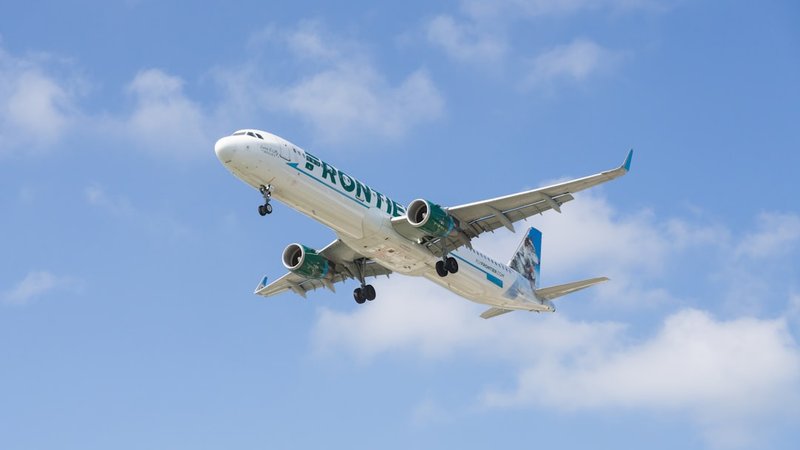
Frontier Airlines accepts cats in the cabin on all domestic U.S. routes. The airline has a straightforward pet policy and allows one pet per passenger in an approved carrier.
- Key Detail: Frontier charges $99 each way for in-cabin pets, making it one of the lowest pet fees among U.S. carriers currently accepting cats.
- Important Note: The combined weight of the cat and carrier cannot exceed 20 lbs, and the carrier must be completely stowed under the seat before departure.
9. Hawaiian Airlines
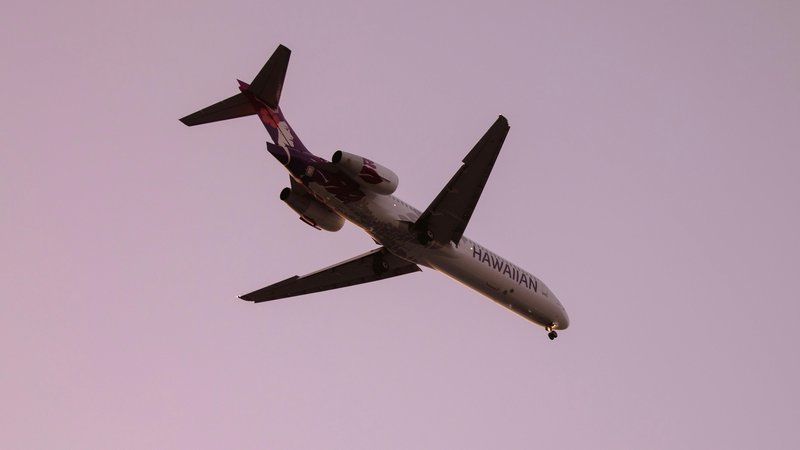
Hawaiian Airlines allows cats in the cabin on inter-island flights within Hawaii and on select mainland U.S. routes. Traveling with a cat to or from Hawaii involves some of the strictest import requirements in the world, so thorough preparation is non-negotiable.
- Key Detail: The in-cabin pet fee is $35 each way for inter-island flights and $125 each way for transpacific routes between Hawaii and the U.S. mainland.
- Important Note: Hawaii has a mandatory 5-day-or-less quarantine program that requires advance paperwork, microchipping, and rabies titer testing — start this process at least four months before travel.
10. Air Canada
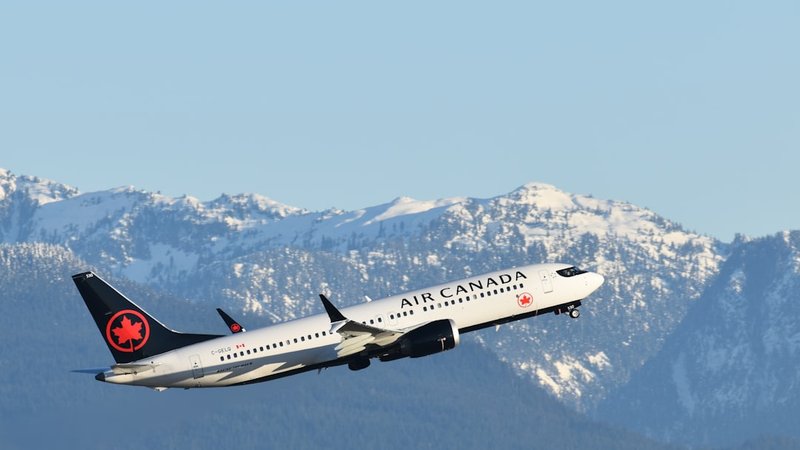
Air Canada is the primary Canadian carrier that allows cats to travel in the cabin on domestic Canadian routes and select transborder flights to the United States. The airline has a well-established pet policy that is consistently applied across its fleet.
- Key Detail: Air Canada charges CAD $50 to $118 each way depending on the route, and the combined weight of the cat and carrier must not exceed 10 kg (approximately 22 lbs).
- Important Note: Air Canada does not permit in-cabin pets on international routes outside of North America, so cats traveling to Europe or Asia must use the cargo hold option instead.
11. WestJet
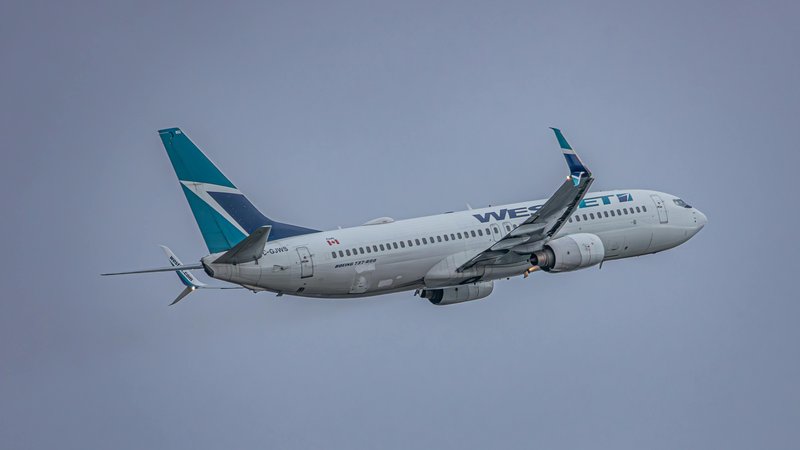
WestJet is a Canadian low-cost carrier that permits cats in the cabin on domestic Canadian routes and some transborder U.S. flights. It is a popular choice for Canadian cat owners looking for an affordable and reliable option.
- Key Detail: WestJet charges CAD $50 each way for in-cabin pets, and the combined weight of the cat and carrier must not exceed 10 kg.
- Important Note: WestJet limits the number of in-cabin pets per flight, and reservations must be made by calling the airline directly — online booking for pets is not available.
12. Air France
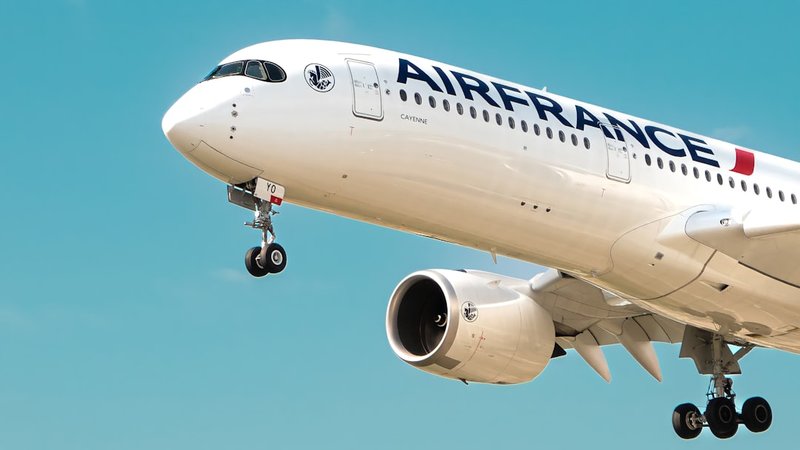
Air France is one of the most pet-accommodating European carriers, allowing cats to trvel in the cabin on both domestic French routes and many international flights. If you’re planning broader European adventures with your cat, exploring pet-friendly hotels in Europe can help you plan a seamless trip from landing to accommodation.
- Key Detail: Air France charges €30 to €200 each way depending on the route, and the combined weight of the cat and carrier must not exceed 8 kg (approximately 17.6 lbs).
- Important Note: For flights within the EU, your cat must have an EU Pet Passport, a microchip, and up-to-date rabies vaccination documentation.
13. British Airways
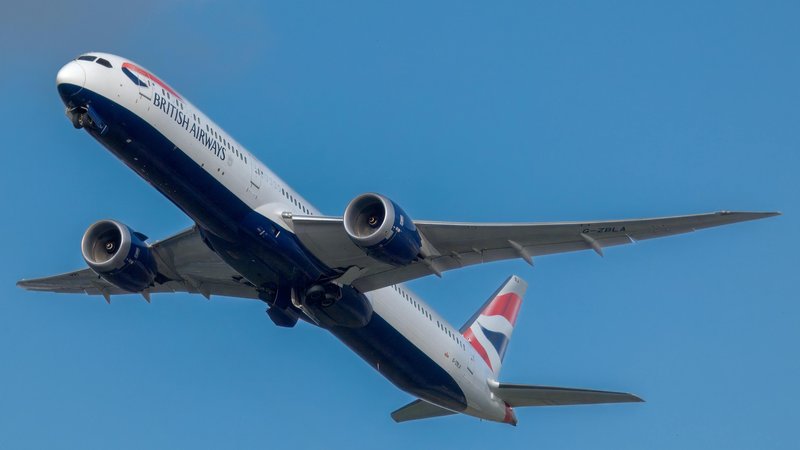
British Airways does not allow cats or other pets in the passenger cabin on any of its routes. Cats can only travel as checked baggage or cargo through its dedicated animal transport service.
- Key Detail: British Airways transports cats via its World Cargo service, which requires a specific hard-sided IATA-compliant crate and advance booking through a registered pet shipper.
- Important Note: If you are flying into or out of the UK with a cat, the UK’s Pet Travel Scheme requires microchipping, rabies vaccination, and a valid animal health certificate issued by an official vet.
14. Lufthansa
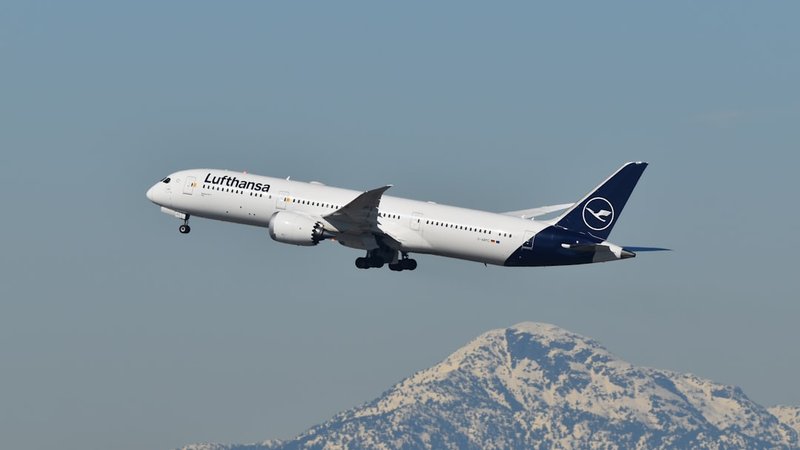
Lufthansa allows small cats to travel in the cabin on most of its routes, including domestic German flights and select European and international routes. It is one of the more cat-friendly major European carriers for in-cabin travel.
- Key Detail: Lufthansa charges €70 to €200 each way depending on the route, and the combined weight of the cat and carrier must not exceed 8 kg.
- Important Note: Lufthansa requires that you inform the airline of your cat at the time of booking and no later than 48 hours before departure — last-minute requests are typically denied.
15. KLM Royal Dutch Airlines
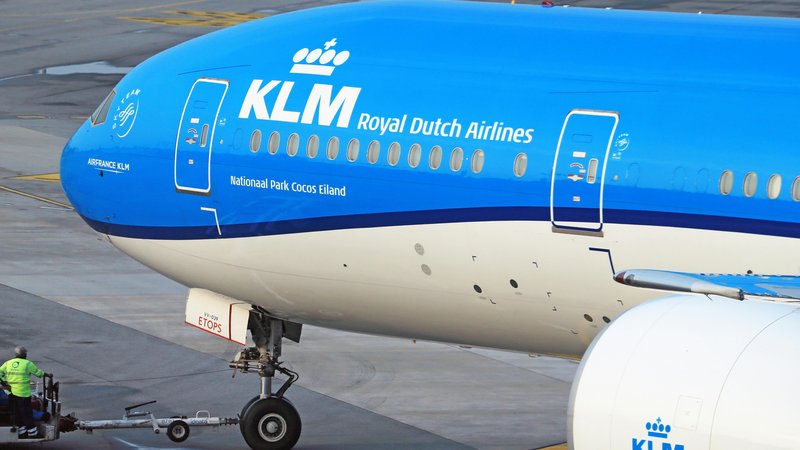
KLM Royal Dutch Airlines allows cats in the cabin on most European routes and select intercontinental flights. The airline is known for clear and consistent communication of its pet travel policies.
- Key Detail: KLM charges approximately €35 to €200 each way depending on the route, and the combined weight of the cat and carrier must not exceed 8 kg.
- Important Note: KLM does not permit in-cabin pets on flights to or from the United States, Canada, or other long-haul intercontinental destinations — cargo transport is the only option for those routes.
16. Swiss International Air Lines
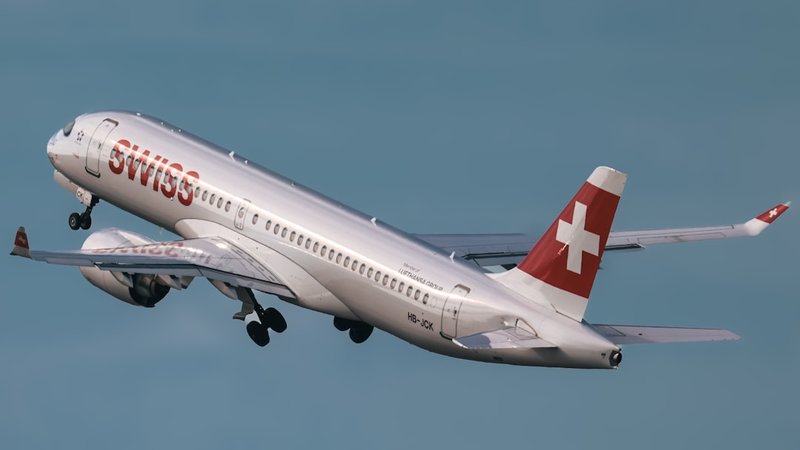
Swiss International Air Lines (SWISS) permits cats to travel in the cabin on European routes and some medium-haul international flights. It maintains a reputation for attentive service and clear pet travel guidelines.
- Key Detail: SWISS charges CHF 70 to CHF 200 each way, and the combined weight of the cat and carrier must not exceed 8 kg for in-cabin travel.
- Important Note: SWISS requires advance notification of in-cabin pets at the time of booking and limits the number of pets per cabin class per flight, so early reservation is essential.
17. Iberia Airlines

Iberia Airlines allows cats in the cabin on domestic Spanish flights and most European routes. As Spain’s flag carrier, Iberia follows EU pet travel regulations, which require a standardized set of health documents for cross-border travel.
- Key Detail: Iberia charges approximately €50 to €100 each way for in-cabin pets, and the combined weight of the cat and carrier must not exceed 10 kg.
- Important Note: Iberia requires that you register your pet at the time of booking and present a valid EU Pet Passport or equivalent health certificate at check-in for all international flights.
18. Turkish Airlines
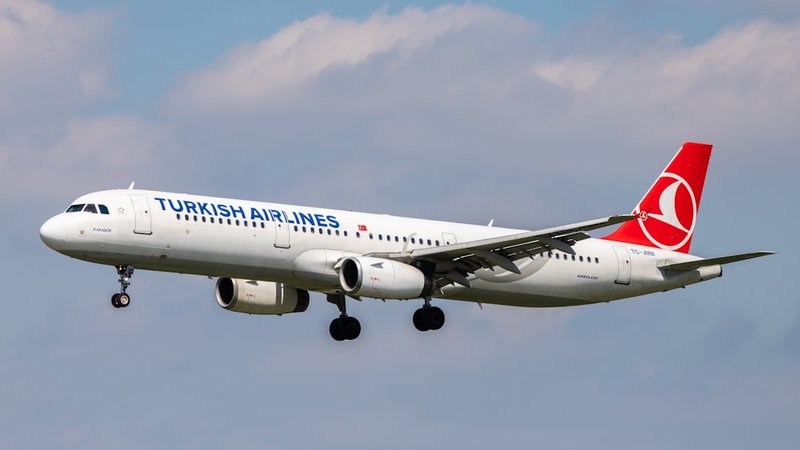
Turkish Airlines allows cats to travel in the cabin on domestic Turkish routes and select international flights. As one of the world’s largest airlines by destination count, Turkish Airlines connects an impressive number of cities where in-cabin cat travel is permitted.
- Key Detail: Turkish Airlines charges approximately $100 to $150 each way for in-cabin pets, and the combined weight of the cat and carrier must not exceed 8 kg.
- Important Note: Turkish Airlines requires a health certificate issued within 10 days of travel for all in-cabin pets on international routes, and some destination countries require additional import documentation.
19. Singapore Airlines
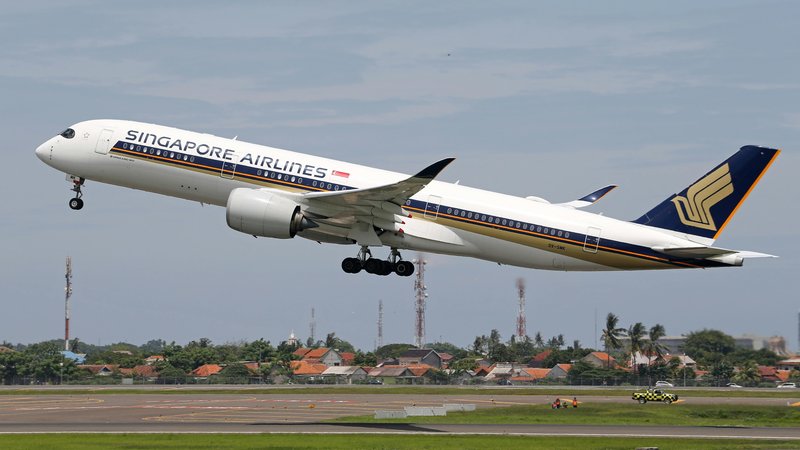
Singapore Airlines does not permit cats or other pets to travel in the passenger cabin on any of its routes. All animals, including cats, must be transported as cargo through its dedicated animal handling service.
- Key Detail: Singapore Airlines’ cargo service for cats requires an IATA-compliant hard crate, advance booking, and full compliance with the destination country’s import regulations.
- Important Note: Singapore has some of the world’s strictest animal import rules, including mandatory quarantine periods — always verify current requirements directly with the Singapore Food Agency before booking.
20. Cathay Pacific Airways
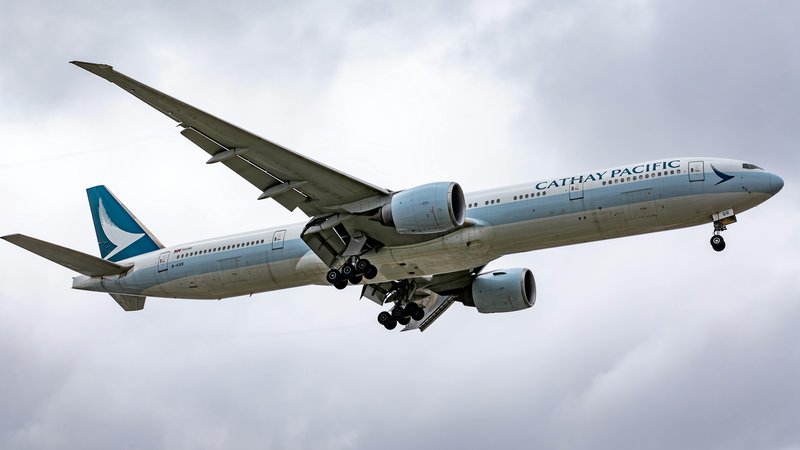
Cathay Pacific does not allow cats or other pets to travel in the passenger cabin on any of its routes. Cats must be transported as manifest cargo, which requires separate booking through Cathay Pacific Cargo.
- Key Detail: Cathay Pacific Cargo accepts cats in temperature-controlled holds with specific crate requirements, and all shipments must comply with IATA Live Animals Regulations.
- Important Note: Hong Kong requires a valid import permit for cats entering the territory, along with rabies vaccination records and a veterinary health certificate — the full process can take several weeks to complete.
In-Cabin Pet Travel Fees and Booking Procedures
Pet fees for in-cabin cat travel vary widely between carriers. U.S. domestic airlines typically charge between $99 and $125 each way, while European carriers can range from €30 to €200 depending on the route length.
It’s worth reviewing a thorough airline pet fee comparison before booking, since the cheapest base fare doesn’t always mean the lowest total cost when pet fees are added.
Most airlines require you to add your pet to your booking at the time of reservation — not at the gate. Call the airline directly if the online booking system doesn’t show a pet option, as availability is often limited per flight.
Soft-Sided Carrier Requirements and Dimension Specifications
Nearly every airline that allows in-cabin cats requires a soft-sided carrier that fits entirely under the seat in front of you. Hard-sided carriers are typically rejected at the gate for cabin travel.
Carrier dimensions vary by aircraft type. A carrier that fits on one airline’s Boeing 737 may not fit under the seat of an Airbus A320. Always check the specific dimensions listed for your aircraft type, not just the airline’s general guidelines.
The carrier must allow your cat to stand, turn around, and lie down naturally inside. Overcrowded carriers can cause stress and overheating, particularly on longer flights.
Weight Limits and Number of Cats Allowed Per Flight
Most airlines set a combined weight limit of 8 to 10 kg (approximately 17 to 22 lbs) for the cat and carrier together. Some carriers apply this limit strictly and will refuse boarding if the weight is exceeded at check-in.
The number of in-cabin pets permitted per flight is also capped — typically between four and six across the entire aircraft. These spots are allocated on a first-come, first-served basis, which is why booking early is so important.
Some airlines allow two cats to share a single carrier if they are from the same household and the combined weight stays within the limit. Always confirm this policy directly with the airline before assuming it applies.
Pre-Flight Preparation and Stress Management for Cats
Cats are creatures of habit, and air travel disrupts every sensory routine they rely on. Acclimating your cat to its carrier weeks before travel — using treats, familiar bedding, and gradual exposure — significantly reduces in-flight anxiety.
For cats with severe travel anxiety, veterinary-prescribed medication may be appropriate. Pregabalin for feline anxiety is an area of growing clinical interest, and Bonqat (pregabalin) is currently the only licensed product of its kind approved for cats in the EU, UK, Norway, and Iceland specifically for transportation-related fear.
Never administer any sedative or calming medication to your cat without explicit veterinary guidance. Altitude and cabin pressure can interact unpredictably with certain medications, creating serious health risks.
Health Certificates, Vaccinations, and International Documentation
For domestic U.S. travel, most airlines do not require a health certificate for in-cabin cats, though some do. For international travel, a health certificate issued by a licensed veterinarian within 10 days of departure is almost universally required.
Rabies vaccination is a baseline requirement for nearly all international cat travel. Many countries also require a rabies titer blood test, which must be completed at an approved laboratory well in advance of travel.
Microchipping is mandatory for entry into the EU, UK, and many other countries. The microchip must comply with ISO standard 11784/11785 to be recognized by foreign scanners — always verify this with your vet before travel.
Destination Restrictions and Country-Specific Import Regulations
Every country has its own rules for importing cats, and some are extraordinarily strict. Australia, New Zealand, Hawaii, and Singapore all enforce mandatory quarantine periods that can last weeks or months.
The USDA APHIS pet travel portal is the most reliable starting point for researching what your destination country requires. It covers vaccinations, microchipping, health certificates, and country-specific import permits.
Always begin the documentation process at least three to six months before your travel date for international trips. Last-minute compliance is rarely possible, and non-compliant animals are typically returned to their country of origin at the owner’s expense.
Service Animals Versus Emotional Support Cats: Policy Differences
The distinction between a trained service animal and an emotional support animal (ESA) is legally and practically significant for air travel. Under current U.S. Department of Transportation rules, airlines are only required to accommodate trained psychiatric service dogs — not ESAs of any species.
This means that cats previously designated as emotional support animals no longer receive the same cabin access privileges they once did on U.S. carriers. They are now subject to the same standard in-cabin pet fees and policies as any other cat.
European and other international carriers have their own interpretations of assistance animal policies. Always verify the specific rules with your carrier before assuming any special accommodation applies to your cat.
Pet Behavior Standards and Disruptive Animal Policies
Airlines reserve the right to remove any pet from a flight if the animal becomes disruptive, aggressive, or excessively vocal. This applies even if the pet fee has been paid and all documentation is in order.
Cats that vocalize loudly, attempt to escape the carrier, or show signs of extreme distress may be flagged by cabin crew. In rare cases, the flight may be diverted or the passenger asked to deplane.
Practicing calm carrier confinement at home well before your travel date is the single most effective way to prevent in-flight behavioral issues. A cat that is comfortable in its carrier is far less likely to become a disruption.
Temperature Safety Considerations for In-Cabin Pet Travel
Passenger cabin temperatures on commercial aircraft are generally maintained between 18°C and 24°C (65°F to 75°F), which is within a safe range for most cats. However, temperature fluctuations during boarding, taxiing, and gate delays can be more extreme.
Long tarmac delays in summer heat are a documented risk for animals in carriers. Ensure your cat has adequate ventilation in its carrier and monitor for signs of overheating such as panting, drooling, or lethargy.
Avoid placing warm water bottles or heat packs inside the carrier, as these can rapidly raise internal temperatures to dangerous levels. A light, breathable carrier with mesh panels on multiple sides provides the best passive ventilation.
Airport Pet Relief Areas and Amenities
Many major international airports now provide designated pet relief areas, both before and after security. These are most commonly found in U.S. airports, where the TSA allows passengers to remove cats from their carriers at security checkpoints.
Before your trip, research whether your departure and layover airports have pet relief areas, water stations for animals, or dedicated pet lounges. This information is typically available on the airport’s official website.
For long layovers, consider whether your cat needs to be let out of the carrier in a secure space. A travel-safe harness and leash can provide some freedom in a quiet airport corner without the risk of escape.
Pet Travel Insurance Options and Cost-Benefit Analysis
Pet travel insurance is an often-overlooked component of flying with a cat. Policies vary widely, but comprehensive coverage can include veterinary emergencies during travel, trip cancellation due to pet illness, and boarding costs if your trip is unexpectedly extended.
When evaluating whether insurance is worth the cost, consider the total financial exposure: airline pet fees, veterinary health certificates, and potential emergency vet bills at your destination can add up quickly. A detailed breakdown of these costs is available in this pet travel cost guide.
Not all standard travel insurance policies cover pets. Always read the fine print and purchase a policy specifically designed for animal travel if you want meaningful protection.
Brachycephalic Breed Restrictions and Health Considerations
Flat-faced (brachycephalic) cat breeds such as Persians and Exotic Shorthairs face specific health risks during air travel. Their compressed airways make it harder to regulate breathing and body temperature under stress.
Several airlines restrict or outright ban brachycephalic cats from in-cabin travel, particularly on longer routes. Some carriers apply these restrictions year-round, while others enforce them only during summer months when heat risk is highest.
If you own a flat-faced cat breed, consult your veterinarian well before booking any flight. A thorough health assessment can determine whether your cat is physically capable of tolerating the stress of air travel safely.