
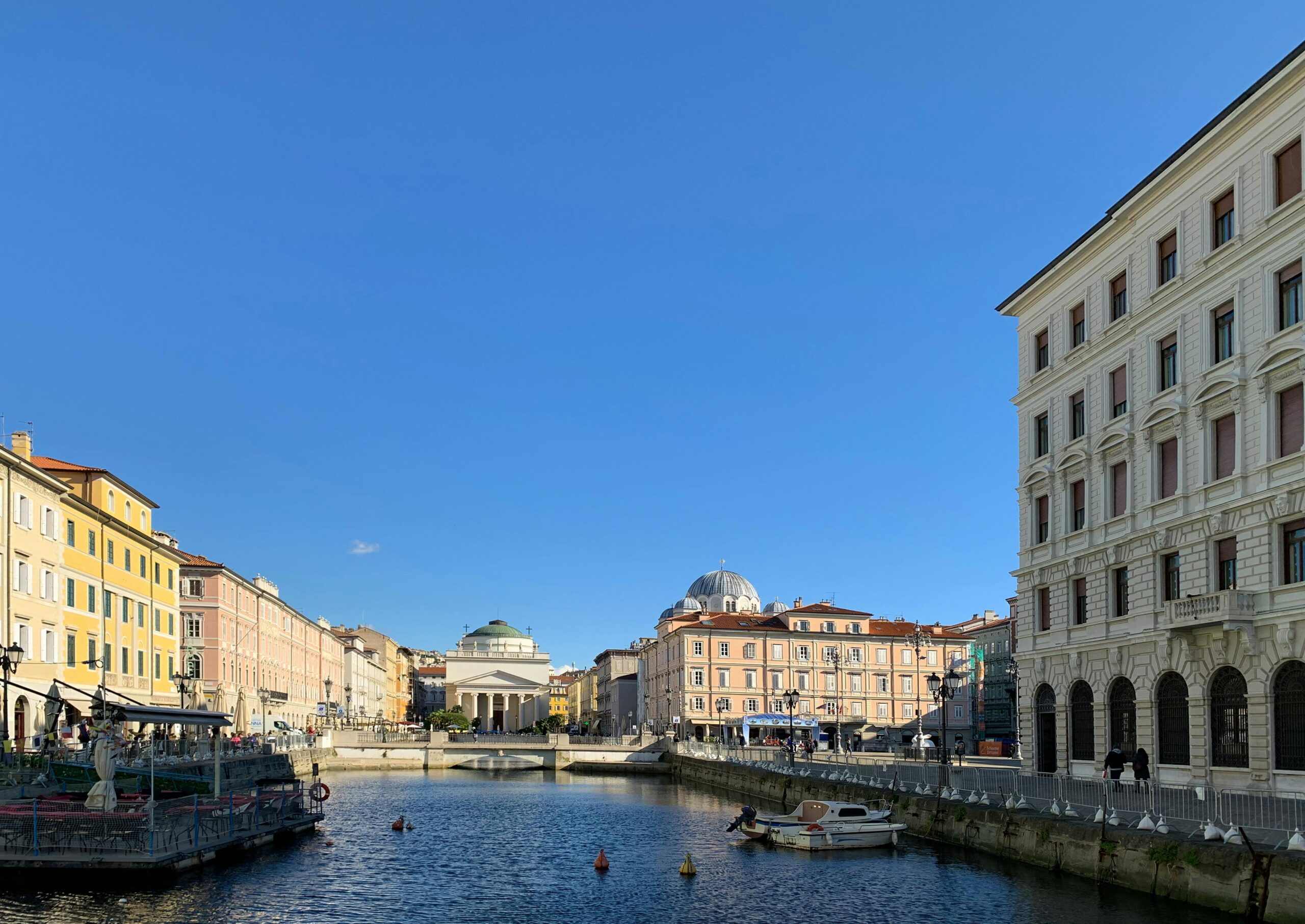
Some places stay beautiful, but the experience evolves. Seasoned travelers often note that iconic destinations feel less relaxed than they once did—the result of overtourism, rising costs, and social media “must-do” lists. This doesn’t mean these places are ruined, but it does mean expectations require an update. Fortunately, new destinations are emerging rapidly, offering the charm of the past with fewer drawbacks. Often, a small shift in geography is all it takes to rediscover that classic travel feeling.
1. Barcelona, Spain
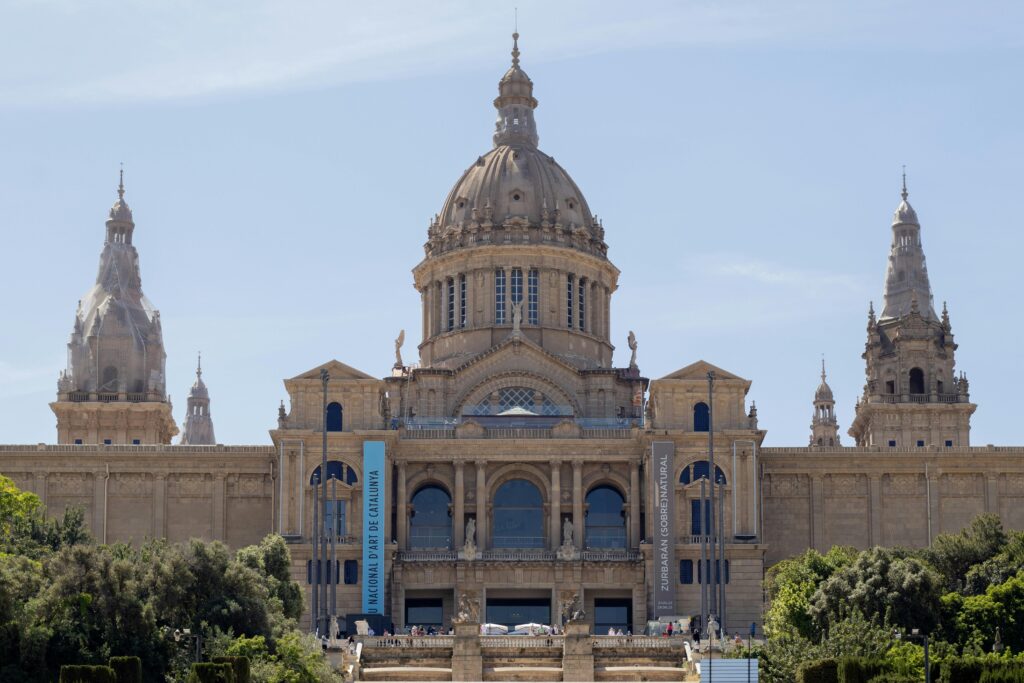
Barcelona is still one of Europe’s most exciting cities, but many repeat visitors say it feels more crowded and more expensive than it did a decade ago. Popular neighborhoods can feel crowded from morning to night, and iconic sights often come with long lines and heavy traffic from tour groups. Travelers also mention that short-term rentals changed the local vibe in parts of the city. It remains worth visiting, but many now plan shorter stays, avoid peak summer, and spend more time in quieter areas like Gràcia or along less touristy beaches. Dining reservations are often necessary now, even for casual spots.
2. Venice, Italy
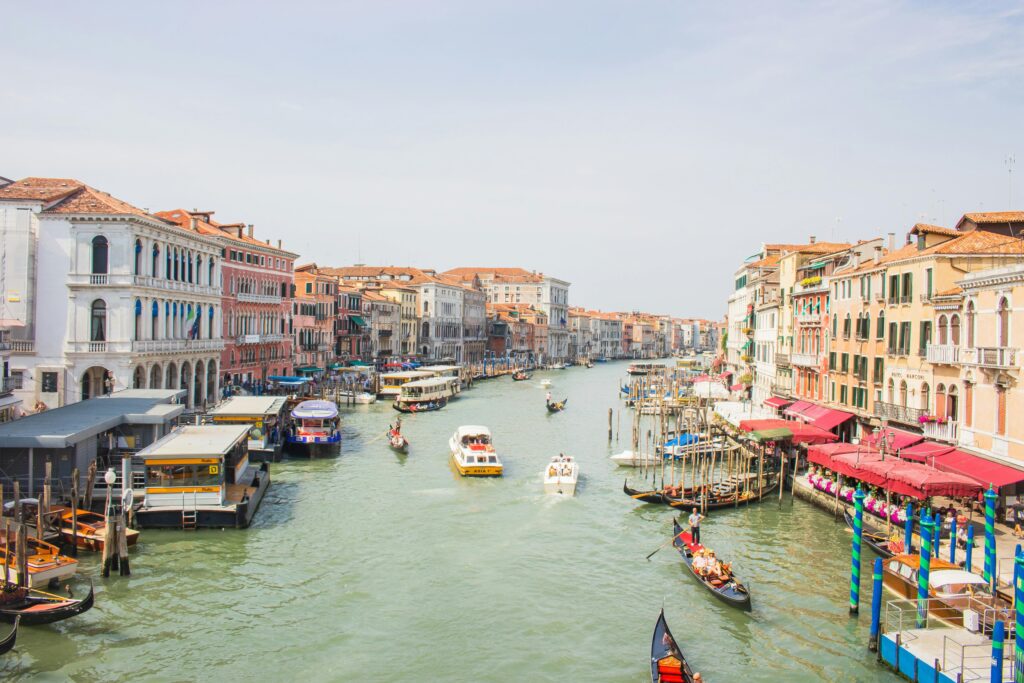
Venice remains stunning, but experienced travelers often say the city now feels more like a high-traffic attraction than a place you naturally wander. Day-trippers arrive early, filling narrow streets and bridges by mid-morning. Prices for hotels, meals, and gondola rides can feel inflated, and some visitors say local businesses have been replaced by souvenir shops. Venice can still be magical, especially in the early hours, but the calm, unplanned feeling is harder to find. Many travelers now recommend staying overnight and exploring smaller nearby islands for breathing room. Visiting in late fall or winter can also feel noticeably quieter.
3. Bali, Indonesia

Bali continues to draw travelers with its temples, beaches, and wellness culture, but repeat visitors often say parts of the island feel more built up and more chaotic than before. Traffic can turn short drives into long delays, and popular areas sometimes feel shaped by influencer trends rather than local life. Prices have risen in tourist-heavy zones, and the atmosphere can feel less peaceful. Bali still offers beauty, but travelers increasingly say you need to be selective about where you stay. Many now prefer the north, or nearby islands, for a slower pace. Planning activities around early mornings can help avoid the worst congestion.
4. Tulum, Mexico
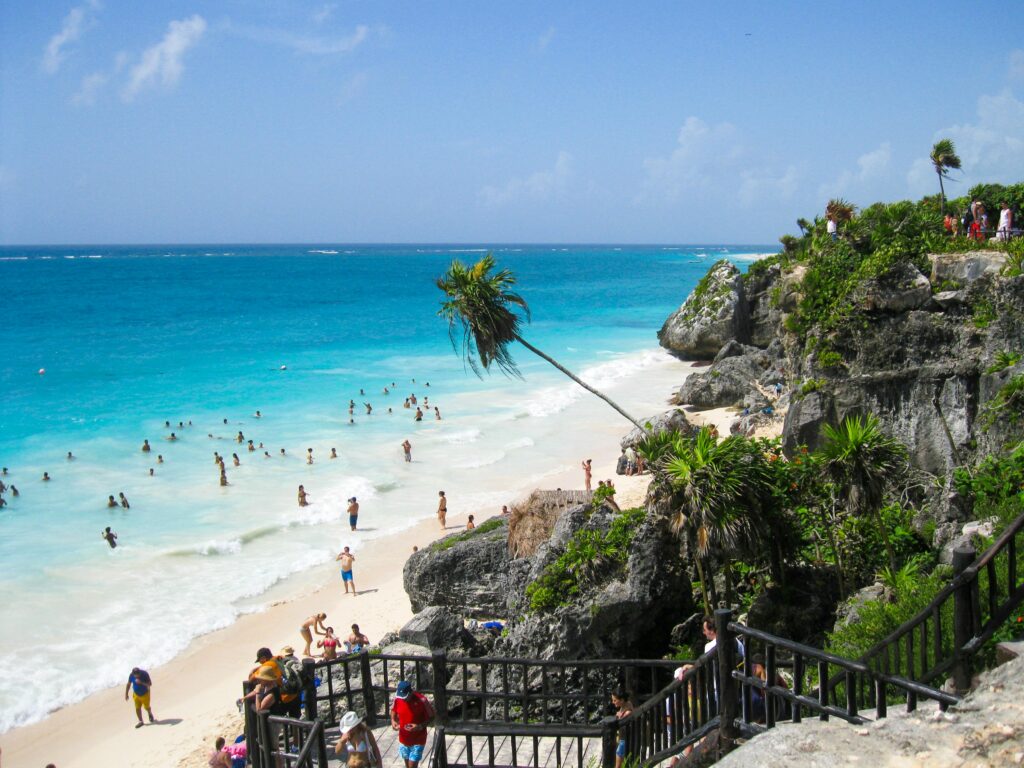
Tulum remains undeniably beautiful, but it has become a cautionary tale for how quickly a destination can transform. What was once a laid-back sanctuary now feels increasingly commercialized, crowded, and expensive. Travelers frequently report “sticker shock” over the cost of meals, taxis, and beach access, noting that the serene atmosphere has been swapped for a high-octane party vibe. For many, the simplicity that defined the Tulum experience has vanished, leading visitors to treat it as a short stopover rather than a home base.
When travelers lament that a place “isn’t the same anymore,” they are rarely talking about the scenery; they are talking about the soul. The destinations currently rising in popularity offer what the old Tulum once did: walkable streets, genuine local character, and a true sense of discovery. These spots provide a slower pace and better value without the logistical headaches.
If you’re looking for a more balanced, “old-school” travel experience, these four destinations are the new gold standard.
1. Valencia, Spain
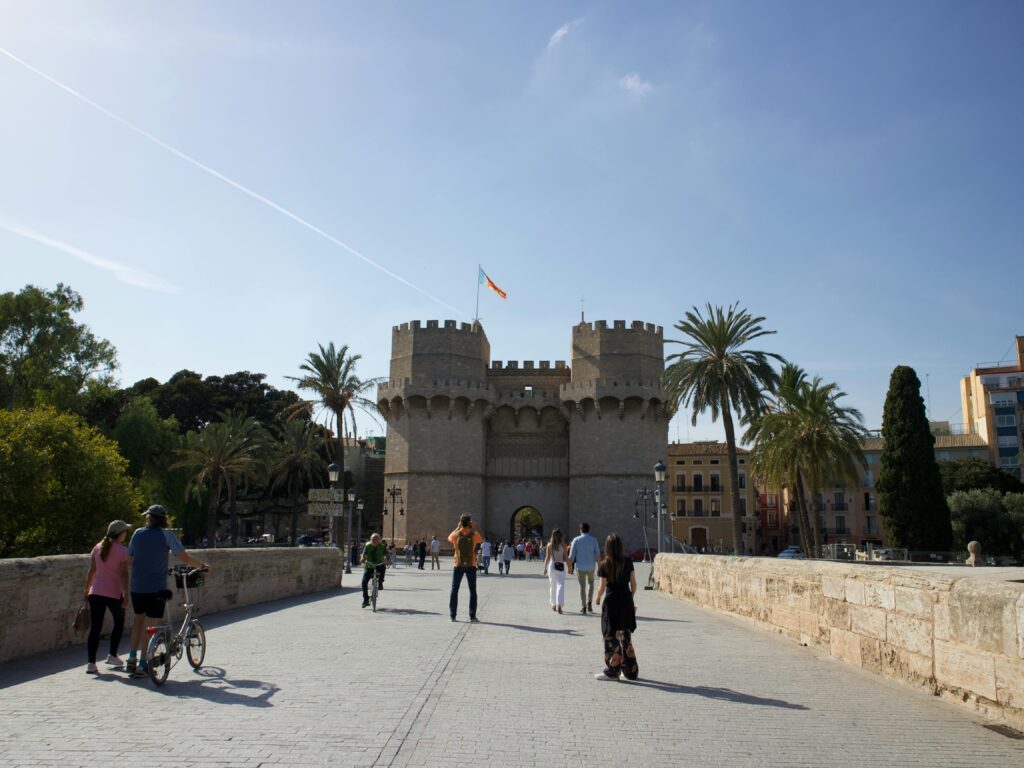
Valencia is quickly becoming the Spanish city many travelers wish they had visited sooner. It has beaches, excellent food, and beautiful architecture, but it often feels calmer and more affordable than Barcelona. Visitors love that it is easy to walk, easy to bike, and full of local neighborhoods that still feel lived-in. The city also has standout attractions like the City of Arts and Sciences, plus a strong cafe culture for slow mornings. For travelers who want Spain with fewer crowds and less stress, Valencia delivers without feeling like a compromise. It is also one of the best places to try a truly local paella.
2. Trieste, Italy
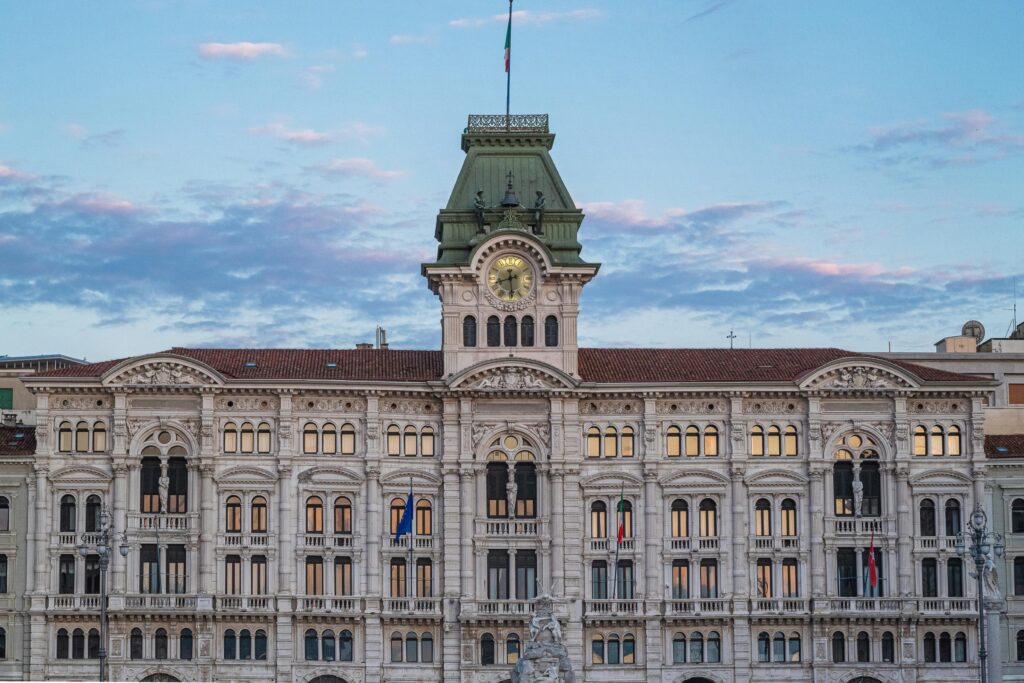
Trieste is a great alternative for travelers who love Italy but want a quieter, less tourist-saturated experience. Sitting near the Adriatic, it blends Italian culture with Central European influences, creating a unique atmosphere you do not get in Rome or Venice. The city has waterfront views, elegant cafes, and a slower pace that makes it easy to settle into. Many visitors also say it feels refreshingly authentic, with fewer tour groups and more everyday life. It is also a smart base for day trips into Slovenia or nearby coastal towns. Coffee culture here is a real highlight, with historic cafes worth lingering in.
3. Nusa Lembongan, Indonesia
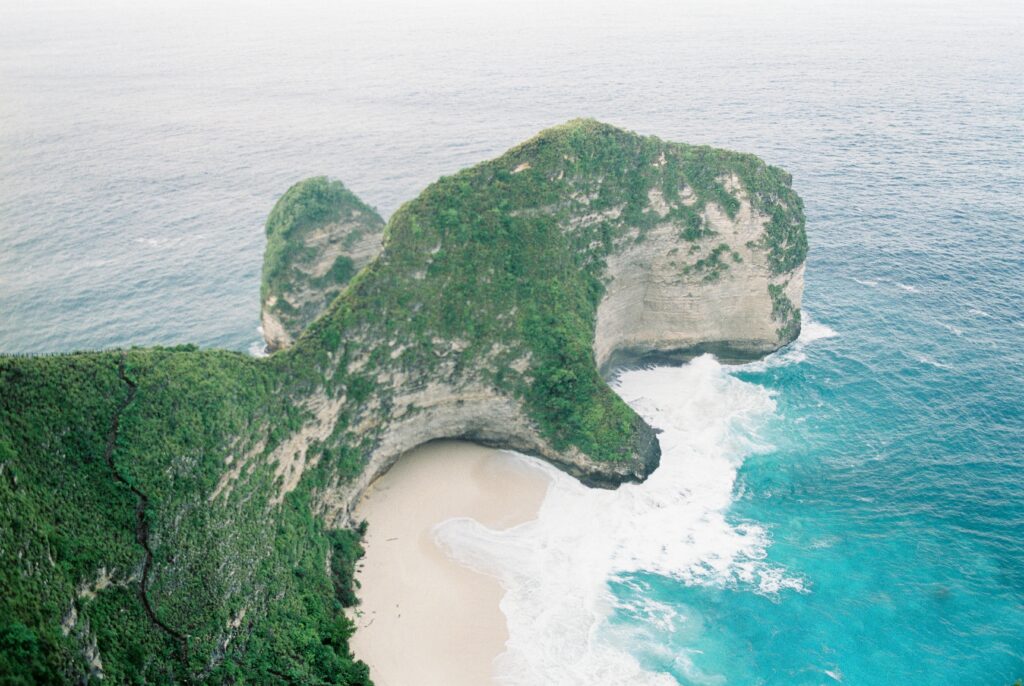
For travelers who still love Indonesia but want something calmer than Bali’s busiest areas, Nusa Lembongan is becoming a favorite. It is a short boat ride away, yet it feels like a different world. Visitors come for clear water, relaxed beaches, and a slower rhythm that makes it easy to unplug. It is also small enough to explore without long drives or traffic stress. While tourism exists, the island still feels more laid-back than Bali’s hotspots. Many travelers say it brings back the simple, easygoing feeling they originally expected from the region. Snorkeling and day trips are easier to enjoy without crowds.
4. Isla Holbox, Mexico
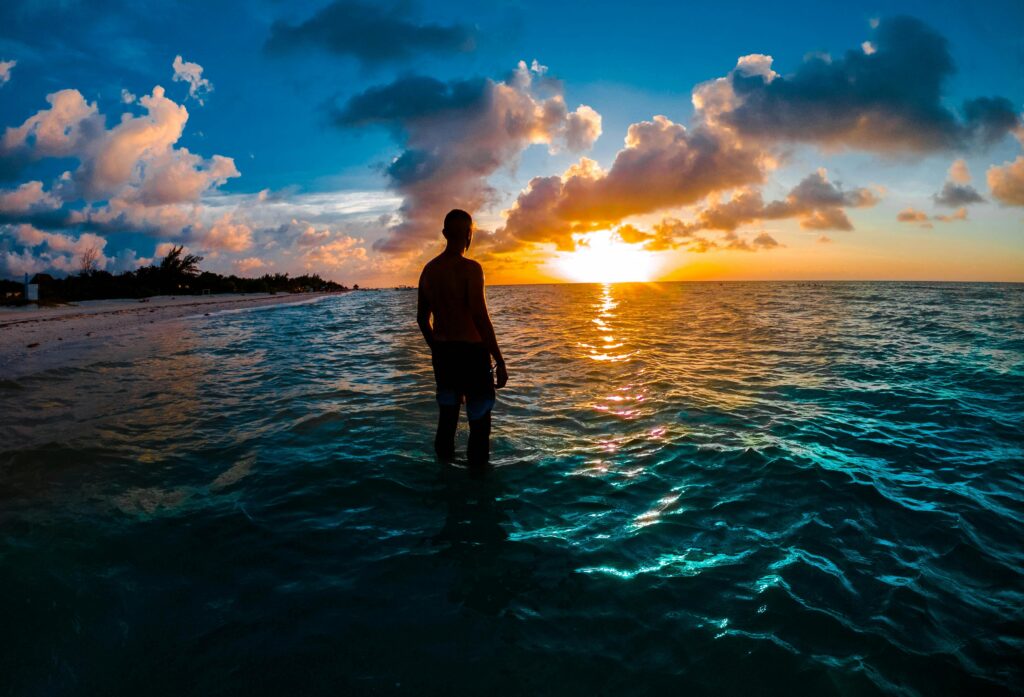
Isla Holbox is one of the places travelers mention most when they want a beach escape without the intense scene. It has soft sand, calm water, and a relaxed vibe that feels closer to what people used to seek in Tulum. Cars are limited, streets are sandy, and the pace is naturally slow. Visitors also love the sunsets, street art, and small-town feel. It is not a luxury resort destination, but that is part of the appeal. For travelers who want Mexico’s coast with less noise and better value, Holbox is a strong pick. Many travelers also love that you can walk almost everywhere. It is the kind of place where doing less actually feels like the point.