6 Books That Feel Like the Perfect Seatmate on Any Trip
Travel creates quiet moments you rarely get at home. Waiting at a gate. Watching landscapes blur past a train window. Sitting in a café where no one knows your name. In those spaces, the right book does not compete with your journey. It travels beside you.
A perfect travel read feels like a thoughtful seatmate. It speaks when needed, stays quiet when the view deserves attention, and leaves you thinking long after you close it. These six books do exactly that.
The Alchemist by Paulo Coelho
Few books feel as natural to read while in motion as The Alchemist. Santiago’s search for meaning mirrors the quiet introspection that often surfaces during travel. The chapters are short and reflective, which makes the book easy to read between boarding announcements or during a short flight.
What makes it powerful on a trip is timing. When you are physically moving through unfamiliar places, themes of destiny and risk feel less abstract. The story gently nudges you to reflect on your own direction. It does not rush you. It simply sits beside you and asks better questions.
A Walk in the Woods by Bill Bryson
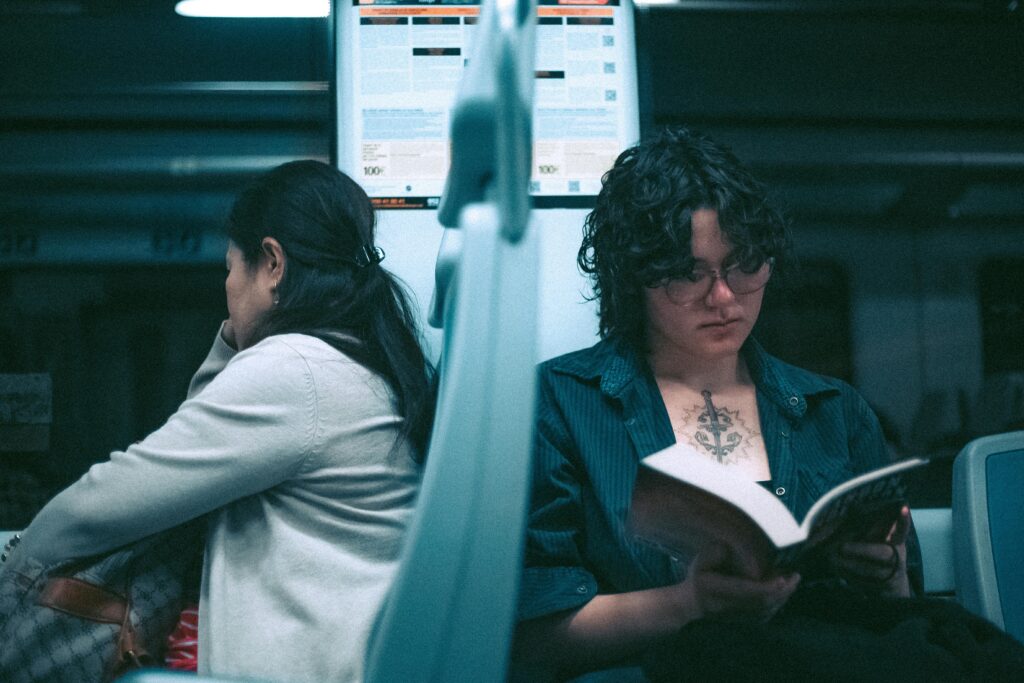
Bryson’s account of hiking the Appalachian Trail feels like sharing a row with someone who knows how to tell a story without exaggeration. His humor makes long waits pass faster, yet he also slips in thoughtful observations about nature and human limits.
This book works especially well when your own travel includes outdoor spaces. Reading about missteps, blisters, and unexpected beauty makes even a simple roadside stop feel richer. It reminds you that discomfort and discovery often arrive together, and that perspective matters more than perfection.
The Night Circus by Erin Morgenstern
Some trips call for immersion, especially long-haul flights or overnight trains. The Night Circus provides a world you can fully enter. Its mysterious traveling circus appears without warning, much like travel itself interrupts routine life.
The prose is vivid yet measured. You can pause without losing the thread, which makes it ideal for interrupted reading. When cabin lights dim, and the world outside fades into darkness, the book’s atmosphere blends seamlessly with your surroundings. It transforms waiting time into something layered and memorable.
Wild by Cheryl Strayed
Traveling alone often brings reflection. Wild feels particularly resonant in those moments. Cheryl Strayed’s memoir of hiking the Pacific Crest Trail explores grief, uncertainty, and rebuilding confidence.
The honesty is what makes it travel well. It does not pretend that growth is easy. It shows how resilience forms step by step. Reading it mid-journey can feel grounding, especially if your own trip represents change. It quietly reassures you that discomfort can shape clarity rather than derail it.
The Little Prince by Antoine de Saint-Exupéry
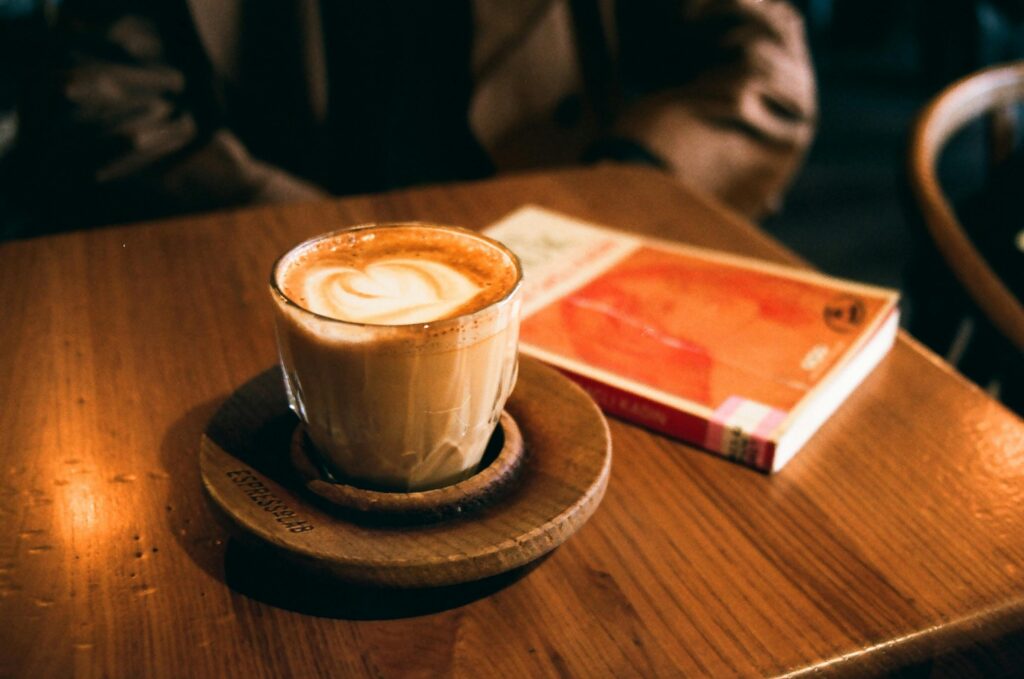
Light enough to fit anywhere, meaningful enough to stay with you, The Little Prince offers reflection in small doses. Its simple language allows you to read a few pages and still feel complete, even if your attention shifts to boarding calls.
What makes it special during travel is perspective. The story gently questions how adults define value and responsibility. When you are already looking at the world through a traveler’s lens, that shift feels even more powerful. It encourages curiosity rather than judgment.
The Geography of Bliss by Eric Weiner
Travel naturally raises bigger questions. How do different cultures define happiness? What does contentment look like outside your own routine? The Geography of Bliss explores these ideas with curiosity and wit.
Each chapter feels like a destination. You can read about one country while sitting in another, creating a layered travel experience. The tone is reflective but approachable. It encourages you to observe more carefully, not just the landmarks, but the mood of a place. It adds depth without becoming heavy.
The best travel books do not overwhelm your suitcase or your attention. They enhance the journey.
Whether you are crossing continents or taking a weekend train ride, the right book becomes part of the memory. And long after the trip ends, it often stays with you, like a seatmate whose conversation still echoes.