
19 Dog Breeds Good With Cats: Complete Guide
Bringing a dog into a home with a cat — or vice versa — doesn’t have to be a recipe for chaos. Many dogs are naturally gentle, low-prey-drive companions that can live peacefully alongside feline housemates.
Choosing the right breed is one of the most important first steps. The AKC notes that certain breeds have the personality and temperament to thrive with a feline playmate, even when owners are away.
This guide covers 19 of the best dog breeds for cat households, plus everything you need to know about introductions, socialization, and long-term harmony.
1. Labrador Retriever

Labrador Retrievers are famously friendly and adaptable. Their easygoing nature makes them one of the top choices for households with cats. Labs are known for their nurturing instincts, which often extend to other animals in the home.
- Key Specs: Large breed, high energy, eager to please
- Pros: Gentle, sociable, responds well to training
- Cons: High energy can overwhelm shy cats initially
2. Golden Retriever

Golden Retrievers are patient, gentle giants with a natural warmth toward all living creatures. Their tolerant temperament makes them an excellent match for cats of all personalities.
- Key Specs: Large breed, moderate to high energy, highly trainable
- Pros: Calm, affectionate, rarely aggressive
- Cons: Playful exuberance may startle timid cats
3. Cavalier King Charles Spaniel

The Cavalier King Charles Spaniel is a gentle lap dog that thrives on companionship. Their calm, adaptable nature makes them one of the best small breeds to pair with cats.
- Key Specs: Small breed, low to moderate energy, affectionate
- Pros: Sweet-natured, non-aggressive, loves cuddles
- Cons: Can develop separation anxiety without companionship
4. Beagle

Beagles are pack animals by nature, which means they genuinely enjoy having animal companions around. Their curious, friendly personality usually translates well to cat cohabitation.
- Key Specs: Medium breed, moderate to high energy, scent-driven
- Pros: Social, playful, generally non-aggressive toward cats
- Cons: Strong prey drive for small animals when outdoors
5. Basset Hound

Basset Hounds are famously laid-back and slow-moving, which cats tend to appreciate. Their relaxed pace means they rarely chase or intimidate feline housemates.
- Key Specs: Medium-large breed, low energy, stubborn but gentle
- Pros: Calm, undemanding, rarely reactive
- Cons: Can be stubborn during training sessions
6. Pug

Pugs are charming, sociable little dogs that love company — human or animal. Their small size and gentle temperament make them a natural fit in cat households.
- Key Specs: Small breed, low energy, highly social
- Pros: Friendly, adaptable, low prey drive
- Cons: Brachycephalic health concerns require monitoring
7. Bichon Frise

The Bichon Frise is a cheerful, gentle breed that gets along well with nearly everyone. Their playful but non-aggressive demeanor makes them excellent companions for cats.
- Key Specs: Small breed, moderate energy, hypoallergenic coat
- Pros: Gentle, sociable, low shedding
- Cons: Requires regular grooming and attention
8. Maltese

Maltese dogs are affectionate and gentle, with a personality that tends to mesh well with cats. According to the AKC, small breeds like the Maltese are tough enough to have a feline playmate despite their tiny size.
- Key Specs: Toy breed, low to moderate energy, devoted
- Pros: Sweet-tempered, low prey drive, loves companionship
- Cons: Can be fragile around boisterous cats
9. Shih Tzu

Shih Tzus were bred to be companions, not hunters, which makes them naturally cat-friendly. They enjoy relaxed home environments and rarely show aggression toward other pets.
- Key Specs: Small breed, low energy, affectionate
- Pros: Calm, gentle, minimal prey drive
- Cons: Grooming demands are high
10. Pomeranian

Pomeranians are bold, curious, and full of personality. A cat can be a great companion for them, especially when owners are at work. They adapt well to multi-pet homes with proper introductions.
- Key Specs: Toy breed, moderate energy, confident
- Pros: Lively, adaptable, enjoys feline company
- Cons: Can be bossy; early socialization is essential
11. Collie
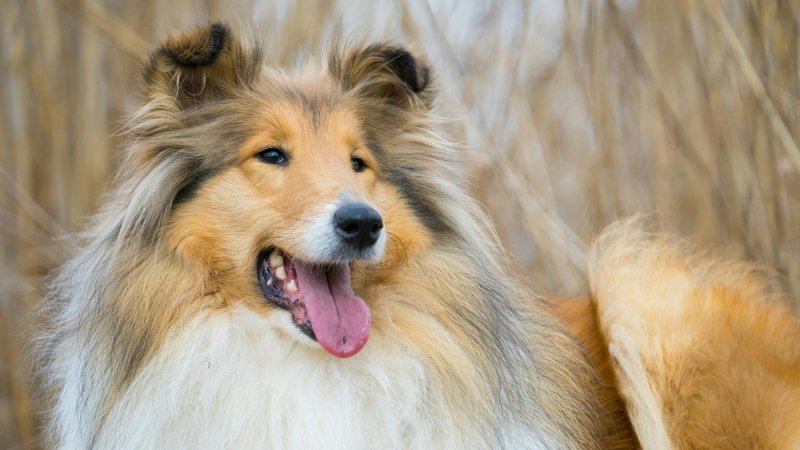
Collies are sensitive, intelligent dogs with a natural herding instinct that rarely translates into aggression toward cats. Their gentle, loyal nature makes them a reliable choice for mixed-species homes.
- Key Specs: Large breed, moderate energy, highly intelligent
- Pros: Gentle, trainable, protective without aggression
- Cons: May attempt to herd cats, which some find stressful
12. Brittany Spaniel

Brittany Spaniels are energetic, friendly dogs that tend to be more bird-focused than cat-focused in their prey drive. With early socialization, they can become wonderful feline companions.
- Key Specs: Medium breed, high energy, eager to please
- Pros: Friendly, trainable, generally non-aggressive indoors
- Cons: High energy needs may overwhelm older or calmer cats
13. Poodle (Toy and Miniature)

Toy and Miniature Poodles are highly intelligent and emotionally attuned dogs. Their sensitivity means they often read a cat’s mood well and adjust their behavior accordingly.
- Key Specs: Small breed, moderate energy, hypoallergenic
- Pros: Smart, gentle, low shedding, adaptable
- Cons: Can be sensitive to chaotic or stressful home environments
14. Cocker Spaniel

Cocker Spaniels are sweet-natured, merry dogs with a gentle disposition. Their moderate energy and affectionate personality make them a solid choice for homes with cats.
- Key Specs: Medium breed, moderate energy, people-oriented
- Pros: Gentle, playful, low aggression toward other pets
- Cons: Requires consistent grooming and social interaction
15. Newfoundland
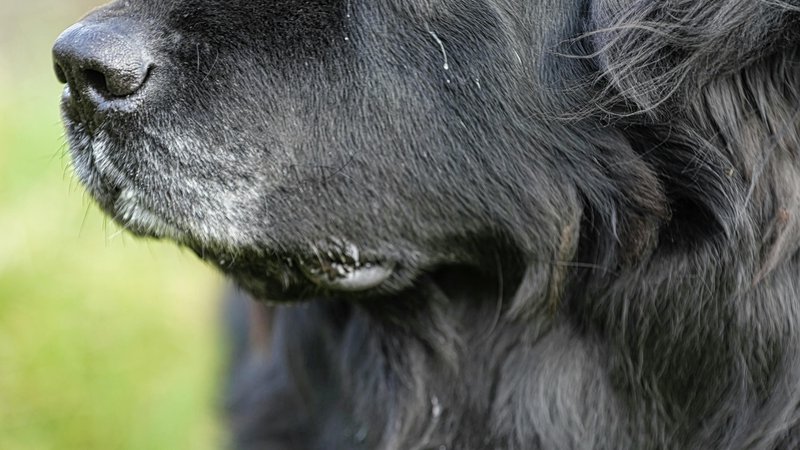
Newfoundlands are gentle giants with a calm, nurturing temperament. Despite their massive size, they are famously patient and rarely pose a threat to cats.
- Key Specs: Giant breed, low to moderate energy, devoted
- Pros: Extremely gentle, patient, low prey drive
- Cons: Sheer size can accidentally intimidate small cats
16. Great Dane
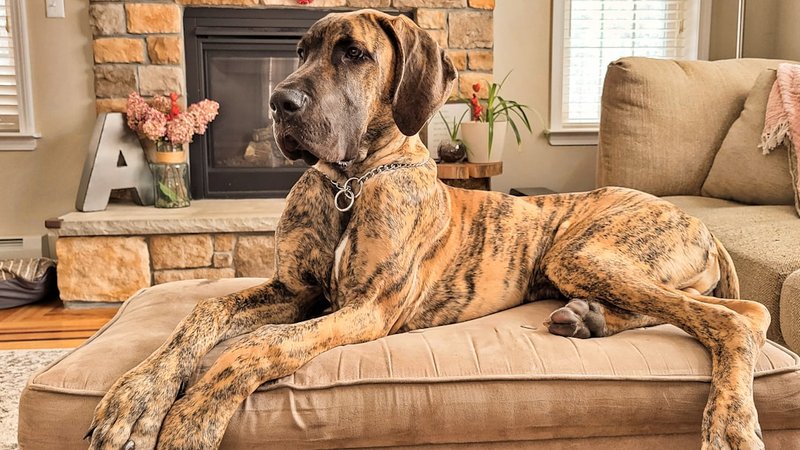
Great Danes are known as “gentle giants” for good reason. Their calm, friendly temperament and low prey drive make them surprisingly compatible with cats in the right environment.
- Key Specs: Giant breed, moderate energy, affectionate
- Pros: Calm, non-aggressive, generally indifferent to cats
- Cons: Large size requires careful management in small spaces
17. Boxer

Boxers are playful and loyal dogs that can do well with cats when properly socialized from an early age. Their bouncy energy needs to be channeled to avoid accidentally overwhelming a feline companion.
- Key Specs: Medium-large breed, high energy, loyal
- Pros: Affectionate, trainable, protective of family including cats
- Cons: Boisterous play style requires early socialization with cats
18. Whippet

Whippets are gentle, quiet dogs indoors despite their speed outdoors. Many Whippets coexist peacefully with cats, especially when raised together from a young age.
- Key Specs: Medium breed, moderate energy, sensitive
- Pros: Calm indoors, affectionate, rarely aggressive
- Cons: High chase instinct outdoors; supervision outside is important
19. Irish Setter

Irish Setters are enthusiastic, friendly dogs with a sociable nature that extends to other pets. Their outgoing personality and low aggression make them a good match for cat-friendly households.
- Key Specs: Large breed, high energy, people-oriented
- Pros: Friendly, gentle, adapts well to multi-pet homes
- Cons: High energy demands daily exercise to stay calm indoors
Understanding Prey Drive and Breed Temperament
Prey drive is one of the biggest factors in dog-cat compatibility. Breeds developed for hunting or herding often have a stronger instinct to chase small, fast-moving animals like cats.
However, prey drive exists on a spectrum. Even within high-drive breeds, individual dogs can learn to coexist peacefully with cats through consistent training and management.
Age-Specific Compatibility: Puppies Versus Adult Dogs
Age plays a significant role in how smoothly a dog and cat will adjust to each other. As VetStreet explains, older pets often prefer a calm environment, while puppies and kittens have boundless energy that can be frustrating for a senior animal.
Matching energy levels between pets is just as important as matching species. A senior cat paired with a high-energy puppy may experience significant stress without careful management.
The Role of Early Socialization in Dog-Cat Relationships
Dogs that are exposed to cats during their critical socialization window — typically between three and twelve weeks of age — are far more likely to accept cats as companions later in life.
Early positive experiences teach puppies that cats are not prey. This foundational learning can make a lifelong difference in how a dog responds to feline housemates.
Safe Introduction Protocols for Dogs and Cats
A successful introduction is never rushed. Start by keeping pets in separate rooms and allowing them to smell each other’s bedding before any face-to-face meeting takes place.
Controlled, leashed introductions in a neutral space give both animals a chance to assess each other safely. Always reward calm behavior with praise and treats to build positive associations.
Reading Body Language: Recognizing Stress and Comfort Signs
A relaxed dog will have loose body posture, a wagging tail, and soft eyes. Stiff posture, intense staring, or raised hackles are warning signs that the dog is too focused on the cat.
On the cat’s side, flattened ears, a puffed tail, and hissing signal fear or aggression. Give the cat space and never force interaction when these signals appear.
Environmental Setup for Multi-Pet Households
Cats need vertical space and dog-free zones where they can retreat and feel safe. Cat trees, high shelves, and baby-gated rooms give cats control over their environment.
Feeding stations should always be separate. A dog that guards food or a cat that eats too slowly can create tension if their meals overlap in the same space.
Supervision and Management Strategies for Cohabitation
Until full trust is established, never leave a dog and cat unsupervised together. Even a friendly dog can accidentally injure a cat during rough play.
Crate training your dog gives your cat uninterrupted time to roam freely. Rotating access to shared spaces can also reduce tension during the early adjustment period.
Assessing Rescue and Shelter Dogs for Cat Compatibility
Many shelters conduct cat-testing to evaluate how a dog responds to feline presence. Always ask about this before adopting a dog into a home with cats.
A dog that ignores or shows mild curiosity toward a cat in a shelter setting is a much safer choice than one that lunges, barks frantically, or fixates intensely on the cat.
Breeds to Approach With Caution Around Cats
Breeds with high prey drives — such as Greyhounds, Siberian Huskies, Jack Russell Terriers, and Airedales — may require extra management around cats. This doesn’t mean they can never coexist, but the process takes more time and commitment.
Terriers and sighthounds in particular were bred to chase and catch small animals. Their instincts run deep, and even well-trained individuals may revert under high arousal.
Individual Temperament Versus Breed Stereotypes
Breed tendencies are a useful starting point, but every dog is an individual. A breed known for high prey drive might surprise you, and a typically gentle breed might show unexpected reactivity.
Always evaluate the specific dog in front of you, not just the breed label. Behavioral history, past experiences, and training all shape a dog’s actual behavior around cats.
Cat Personality and Breed Considerations for Dog Compatibility
The cat’s personality matters just as much as the dog’s. Confident, outgoing cats tend to adapt to dogs more quickly than fearful or shy cats who may feel perpetually threatened.
Certain cat breeds — like Maine Coons, Ragdolls, and Abyssinians — are known for their dog-friendly temperaments. Pairing a calm dog breed with a sociable cat breed dramatically improves the odds of success.
Multi-Cat Household Dynamics With Dogs
Introducing a dog to a home with multiple cats adds complexity. Each cat will respond differently, and the dog must learn to respect boundaries with all of them simultaneously.
Introduce the dog to each cat individually before allowing group interactions. Managing the pace of introductions prevents any single cat from becoming a repeated target of the dog’s attention.
Health and Medical Considerations in Mixed-Species Homes
Dogs and cats can share certain parasites, including fleas, ticks, and intestinal worms. Keeping all pets on appropriate preventative treatments is essential in multi-species households.
Never allow dogs to access the cat’s litter box. Beyond the behavioral issues it causes, dogs consuming cat feces can be exposed to parasites and pathogens harmful to their health.
Long-Term Behavioral Changes and Adjustment Periods
Most dogs and cats need several weeks to several months to fully adjust to each other. Initial tension is normal and does not mean the relationship is doomed.
Gradual improvement in body language — such as the dog lying calmly near the cat or the cat choosing to sleep in the same room — are signs that the bond is developing positively.
Conflict Resolution When Initial Introductions Struggle
If introductions are not going well, take a step back and slow the process down. Return to scent swapping and separated spaces before attempting visual or physical contact again.
Never punish either animal for reacting negatively during introductions. Punishment increases anxiety and can create negative associations that make the relationship harder to repair.
Professional Trainer and Behaviorist Resources
If a dog and cat are struggling to coexist despite your best efforts, a certified animal behaviorist or professional trainer can provide personalized guidance. Look for credentials such as CPDT-KA or IAABC membership.
Professional intervention is especially valuable when a dog has shown predatory behavior toward the cat. Early intervention prevents the situation from escalating into something dangerous.
Microchip Cat Doors and Advanced Separation Technology
Microchip-activated cat doors are a practical solution for giving cats safe access to certain rooms while keeping dogs out. These doors read the cat’s microchip and only unlock for registered pets.
This technology gives cats a reliable safe zone and reduces the stress of constant supervision. It is particularly useful for feeding areas and litter box rooms in multi-pet homes.
Success Rates and Real-World Compatibility Statistics
Real-world success in dog-cat households depends heavily on the introduction process, the individual animals involved, and the owner’s commitment to management. Breed selection is just one piece of the puzzle.
Households that follow structured introduction protocols and provide adequate space for both animals consistently report better long-term outcomes. Patience and consistency are the most reliable predictors of success.
Creating a Harmonious Long-Term Living Environment
Long-term harmony in a multi-pet home requires ongoing attention, not just a one-time introduction. Continue to provide each pet with individual attention, enrichment, and space to decompress.
If you are planning to travel with your pets or relocate internationally, resources like this guide on moving abroad with pets can help you navigate the logistics of keeping your multi-species family together.
With the right breed choice, a thoughtful introduction, and a home set up to meet both animals’ needs, dogs and cats can become the best of companions for years to come.