20 Best Large Dog Breeds for Cold Climates
Not every dog was built for winter, but some breeds thrive in freezing temperatures, deep snow, and biting winds. If you live in a cold climate, choosing the right breed can make a world of difference for both you and your dog.
This guide covers the 20 best large dog breeds for cold climates, breaking down what makes each one uniquely suited to harsh winters. Whether you want a working companion or a loyal family dog, there’s a cold-weather breed on this list for you.
Understanding Double Coats and Cold Weather Adaptation
Most cold-weather breeds share one defining feature: a double coat. This consists of a dense, insulating undercoat and a longer, weather-resistant outer coat that work together to trap body heat and repel moisture.
According to Pet Evolution, a dog’s natural oils and thick undercoat help guard against skin infections and other issues. This is why proper grooming — not over-bathing — is essential for maintaining coat integrity through winter.
Historical Origins and Working Heritage of Cold-Climate Breeds
Many of the breeds on this list were developed over centuries in some of the world’s harshest environments. From the Arctic tundra to the Swiss Alps, these dogs were bred to haul sleds, guard livestock, and rescue stranded travelers.
Their working heritage is deeply tied to their physical and behavioral traits. Understanding that history helps owners meet their dogs’ exercise, mental stimulation, and social needs more effectively.
Physical Traits That Enable Cold Weather Survival
Beyond the double coat, cold-weather breeds often have compact, well-furred ears that minimize heat loss, thick paw pads that insulate against frozen ground, and a muscular build that generates body heat efficiently.
Many also have bushy tails they can curl around their faces while sleeping — a natural adaptation that protects their nose and eyes from freezing temperatures during rest.
Grooming Requirements and Winter Coat Maintenance
Grooming a double-coated breed in winter requires the right tools. As noted by Pet Evolution, a bristle brush is ideal for short-haired double-coated breeds, while a de-matting comb helps break down tough mats at home. A pin brush is best for delicate areas like the face and ears.
Avoid shaving your double-coated dog in winter. Their undercoat is their primary insulation, and removing it disrupts their ability to regulate body temperature in cold weather.
Temperature Thresholds and Cold Stress Recognition
Even cold-hardy breeds have limits. Signs of cold stress include shivering, whining, reluctance to move, and lifting paws off the ground. Puppies, seniors, and dogs with health conditions reach these thresholds faster than healthy adults.
Always monitor your dog’s behavior in extreme cold. If they seem uncomfortable, bring them indoors immediately and warm them gradually with blankets rather than direct heat sources.
Nutrition and Caloric Needs in Cold Climates
Dogs living or working outdoors in cold climates often burn significantly more calories maintaining body temperature. Working breeds like sled dogs may need caloric intake adjustments during winter months.
Consult your veterinarian before changing your dog’s diet. Increased fat content in food can help support energy needs, but overfeeding a sedentary indoor dog can lead to obesity-related health issues.
Winter Exercise and Activity Guidelines
Cold-weather breeds generally need consistent exercise year-round, and many actually become more energetic in winter. Activities like skijoring, sledding, and snowshoeing are excellent outlets for high-energy Arctic breeds.
For owners considering an active lifestyle with a large dog, it’s worth reading about the commitment involved in owning a large breed before committing to one of these powerful dogs.
Cold Weather Gear and Protective Equipment
While most cold-climate breeds don’t need coats, dog booties can protect paw pads from ice, salt, and chemical de-icers used on roads and sidewalks. Rinsing paws after outdoor walks is a simple but effective protective habit.
Reflective gear is also useful in winter when daylight hours are short. A reflective harness or collar helps keep your dog visible during early morning or evening walks in low-light conditions.
Age Considerations for Puppies and Senior Dogs
Puppies of cold-weather breeds are not born with full coat protection and should be kept warm until their adult double coat develops. Limit outdoor exposure in extreme cold for young dogs under six months.
Senior dogs face different challenges, including reduced circulation and joint stiffness in cold weather. Learn more about caring for older dogs to ensure your aging cold-climate companion stays comfortable through winter.
Indoor Versus Outdoor Living Arrangements
Despite their cold-weather heritage, most large breeds on this list do best as indoor-outdoor dogs with access to shelter. Leaving any dog outside in extreme cold without proper shelter is dangerous and inhumane.
If your dog spends time outdoors, provide an insulated dog house elevated off the ground, with a door flap and dry bedding. Always ensure access to unfrozen water, as dehydration is a real risk in cold weather.
1. Alaskan Malamute
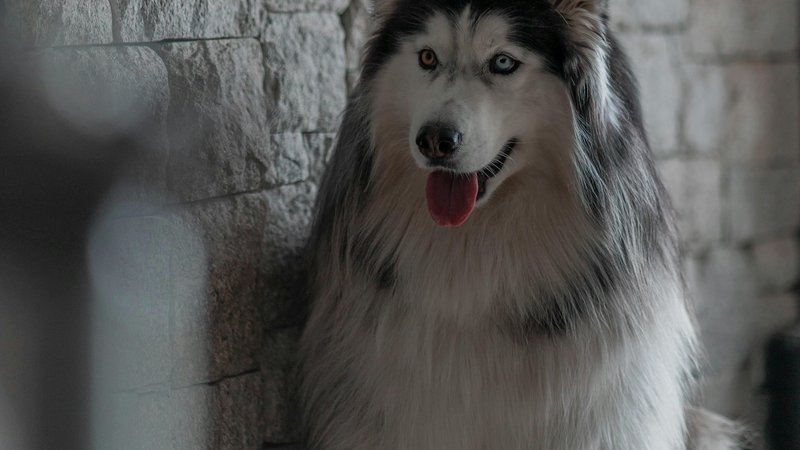
The Alaskan Malamute is one of the oldest Arctic sled dog breeds, built for hauling heavy freight across frozen terrain. Their dense double coat and muscular frame make them exceptionally well-suited to sub-zero temperatures.
- Key Specs: 75–100 lbs; thick double coat; lifespan 10–14 years
- Pros: Extremely cold-hardy, loyal, powerful working ability, good with families
- Cons: High exercise needs, strong prey drive, heavy shedding, can be stubborn
2. Saint Bernard
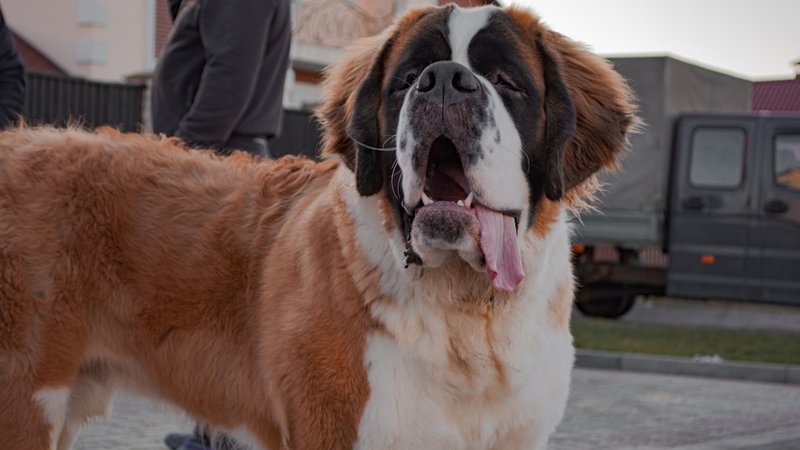
The Saint Bernard is an iconic cold-climate giant with a legendary history in Alpine rescue. As noted by PetMD, Saint Bernards still work as avalanche rescue dogs today while also serving as gentle and friendly family companions.
- Key Specs: 120–180 lbs; dense coat (rough or smooth); lifespan 8–10 years
- Pros: Gentle temperament, great with children, highly cold-tolerant
- Cons: Heavy drooling, shorter lifespan, requires significant space and food
3. Bernese Mountain Dog
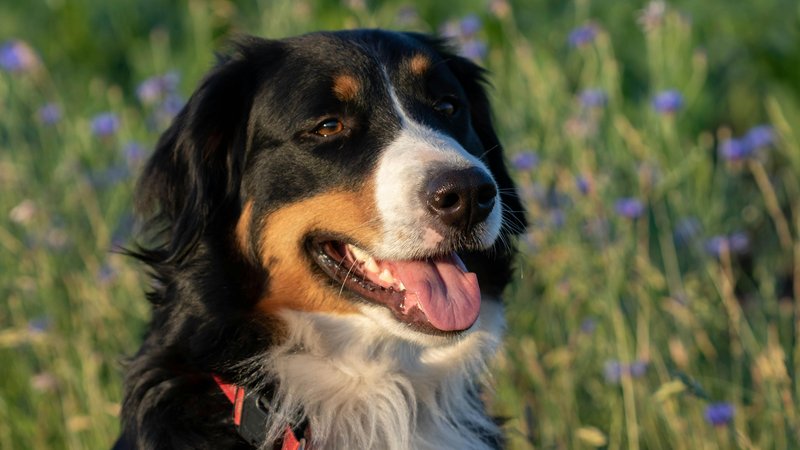
Originally bred as a Swiss farm dog, the Bernese Mountain Dog is a tri-colored giant known for its calm, affectionate nature. Their thick, silky double coat provides excellent insulation against cold Alpine conditions.
- Key Specs: 70–115 lbs; long double coat; lifespan 7–10 years
- Pros: Gentle, great family dog, good with kids and other pets, loves cold weather
- Cons: Shorter lifespan, heavy shedding, prone to certain cancers
4. Newfoundland

The Newfoundland is a massive, water-resistant breed originally developed for cold-water rescue off the coast of Canada. Their oily, dense double coat repels icy water and insulates against freezing temperatures.
- Key Specs: 100–150 lbs; water-resistant double coat; lifespan 9–10 years
- Pros: Excellent swimmer, gentle giant, devoted to family, cold and wet weather capable
- Cons: Heavy drooling, significant grooming needs, large space requirements
5. Siberian Husky
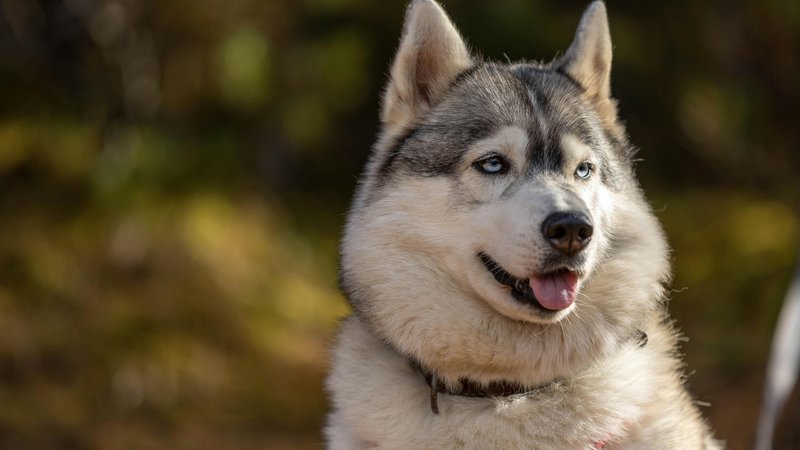
The Siberian Husky was bred by the Chukchi people of northeastern Asia to pull sleds over vast frozen distances. Their compact build and multi-layered coat allow them to withstand temperatures as low as -60°F. Learn more about cold-weather dog care from Zoetis.
- Key Specs: 35–60 lbs; dense double coat; lifespan 12–14 years
- Pros: Highly energetic, social, excellent endurance, thrives in cold
- Cons: Escape artist, high prey drive, heavy shedder, needs intense exercise
6. Alaskan Husky
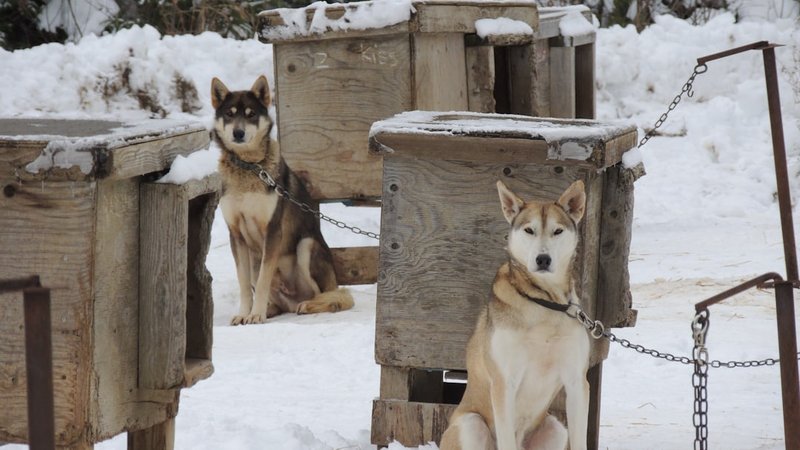
The Alaskan Husky is not a recognized breed but rather a type of working sled dog selectively bred for speed and endurance in extreme cold. They are leaner than Siberian Huskies but equally cold-tolerant due to their insulating coat and efficient metabolism.
- Key Specs: 35–60 lbs; variable coat; lifespan 10–15 years
- Pros: Exceptional endurance, highly athletic, thrives in cold, eager to work
- Cons: Not a show breed, needs a job or intense activity, not ideal for apartment living
7. German Shepherd
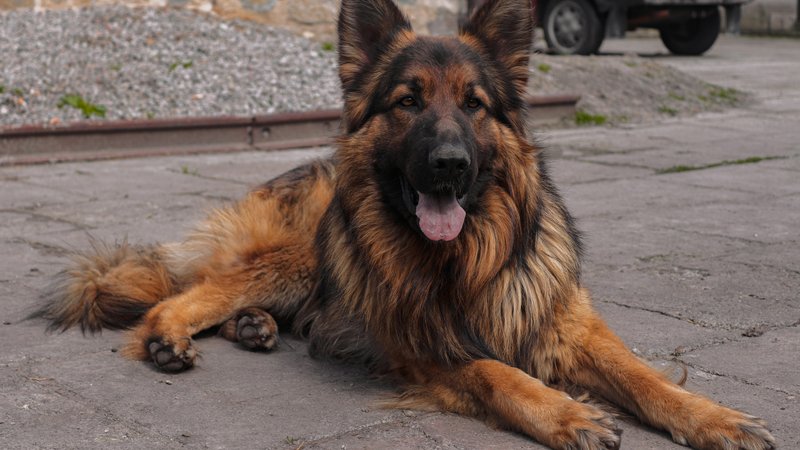
The German Shepherd is one of the most versatile working dogs in the world, used in search and rescue, police work, and military roles in all climates. Their dense double coat provides solid insulation in cold and wet conditions.
- Key Specs: 50–90 lbs; medium-length double coat; lifespan 9–13 years
- Pros: Highly intelligent, loyal, adaptable to cold, excellent working ability
- Cons: Heavy shedding, prone to hip dysplasia, needs consistent mental stimulation
8. Great Pyrenees
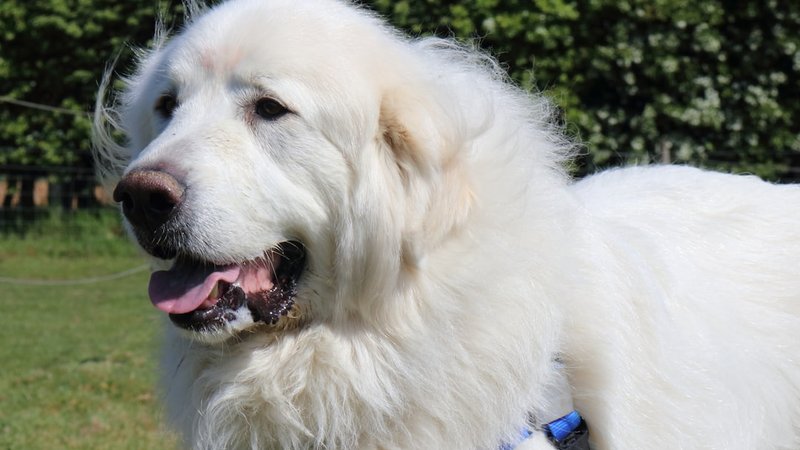
The Great Pyrenees was bred to guard sheep in the snowy Pyrenees Mountains between France and Spain. Their thick, weather-resistant white coat allows them to blend into snowy landscapes while staying warm during frigid nights.
- Key Specs: 85–115 lbs; thick double coat; lifespan 10–12 years
- Pros: Calm, patient, excellent livestock guardian, highly cold-tolerant
- Cons: Independent and stubborn, heavy shedding, prone to roaming
9. Tibetan Mastiff
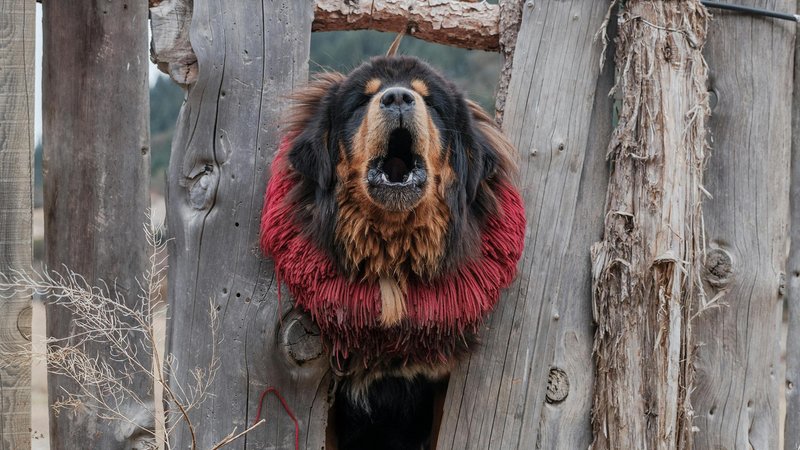
The Tibetan Mastiff is an ancient guardian breed from the high-altitude Himalayas, where temperatures drop severely at night. Their massive, lion-like double coat is one of the densest of any dog breed.
- Key Specs: 70–150 lbs; very dense double coat; lifespan 10–12 years
- Pros: Exceptional cold tolerance, fiercely protective, independent, impressive coat
- Cons: Aloof with strangers, strong-willed, not ideal for first-time owners
10. Caucasian Shepherd Dog
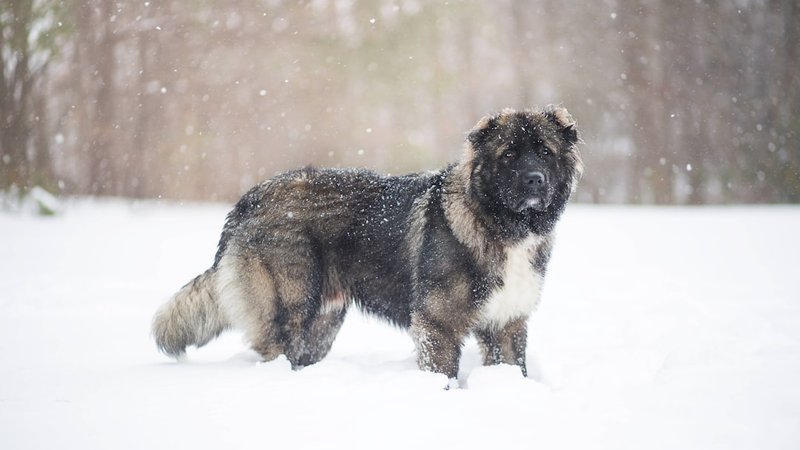
The Caucasian Shepherd Dog, also called the Caucasian Ovcharka, is a massive livestock guardian from the Caucasus Mountain region. Their thick, bear-like coat and large body mass make them among the most cold-resistant breeds in the world.
- Key Specs: 100–220 lbs; very thick double coat; lifespan 10–12 years
- Pros: Extremely cold-hardy, powerful guardian instinct, devoted to family
- Cons: Aggressive toward strangers, needs experienced handling, not for small spaces
11. Anatolian Shepherd
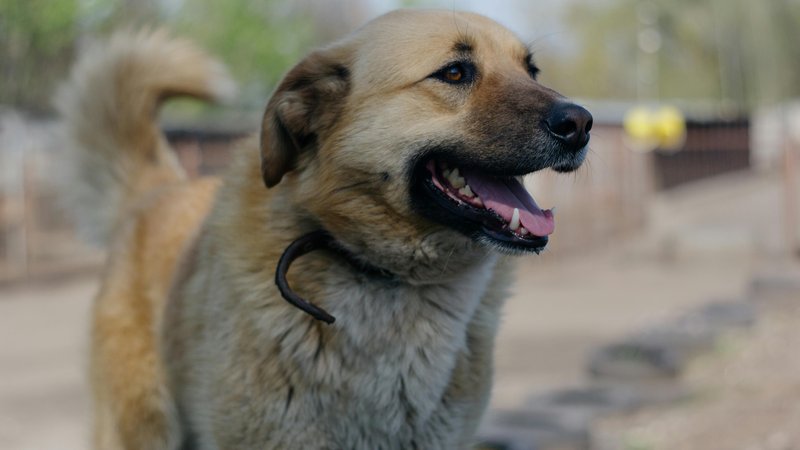
The Anatolian Shepherd is a Turkish livestock guardian bred to protect flocks across the harsh, temperature-extreme Anatolian plateau. Their thick coat and lean, athletic build allow them to endure both intense cold and heat.
- Key Specs: 80–150 lbs; dense double coat; lifespan 11–13 years
- Pros: Highly independent, excellent guardian, adaptable to cold, long lifespan
- Cons: Stubborn, requires firm training, not suitable for inexperienced owners
12. Komondor
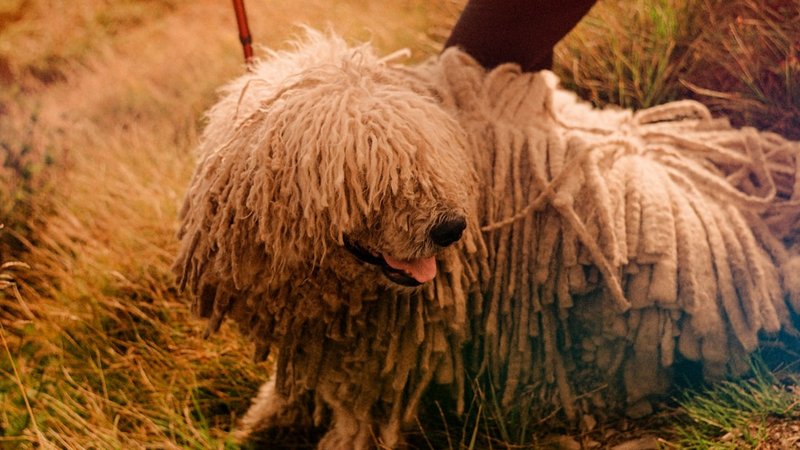
The Komondor is a Hungarian livestock guardian instantly recognizable by its distinctive corded white coat. Those heavy cords aren’t just for show — they provide remarkable insulation against cold and protection from predator bites.
- Key Specs: 80–100 lbs; unique corded coat; lifespan 10–12 years
- Pros: Excellent cold tolerance, natural guardian, unique appearance, loyal
- Cons: Extremely high grooming demands, independent, not suited for warm climates
13. Kuvasz
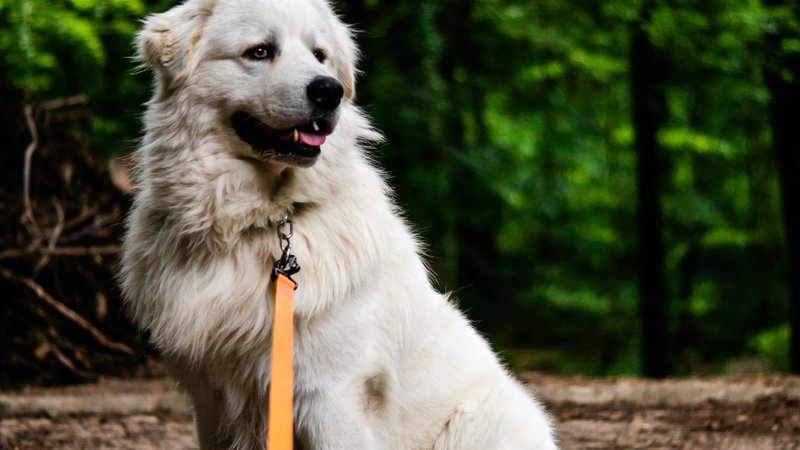
The Kuvasz is a Hungarian flock guardian with a striking white double coat designed to withstand cold mountain winters. Their dense, wavy undercoat provides excellent thermal insulation in freezing conditions.
- Key Specs: 70–115 lbs; thick double coat; lifespan 10–12 years
- Pros: Cold-hardy, loyal to family, good guardian instinct, athletic
- Cons: Wary of strangers, needs early socialization, heavy seasonal shedding
14. Samoyed
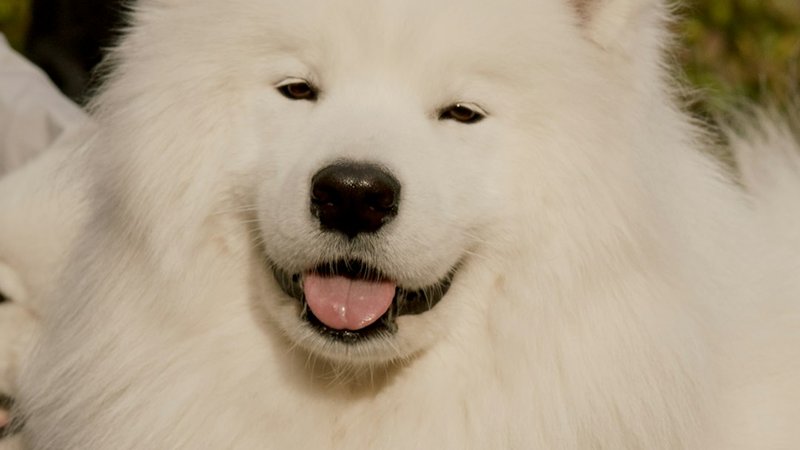
The Samoyed was bred by the Samoyedic peoples of Siberia for herding reindeer and pulling sleds in brutal Arctic conditions. Their fluffy white double coat is so dense it was historically used as insulation material by their human companions.
- Key Specs: 35–65 lbs; very dense double coat; lifespan 12–14 years
- Pros: Friendly, social, excellent cold tolerance, good with families
- Cons: Heavy shedding, vocal, requires frequent grooming, can be mischievous
15. Finnish Lapphund
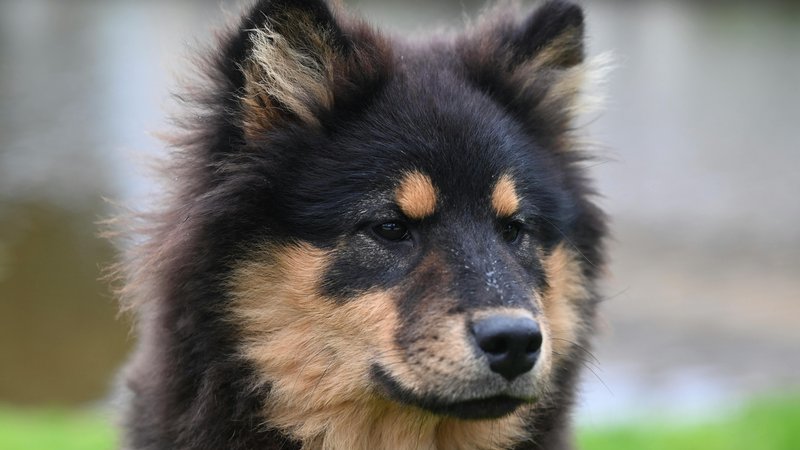
As PetMD points out, it’s no surprise that the Finnish Lapphund comes from Finland, and it’s equally unsurprising that they have a thick weatherproof coat to keep them warm in the cold. Originally used to herd reindeer, they make good-natured companions for active families.
- Key Specs: 33–53 lbs; thick weatherproof double coat; lifespan 12–15 years
- Pros: Friendly, agile, excellent cold tolerance, great family dog
- Cons: Moderate shedding, needs regular exercise, can be vocal
16. Norwegian Elkhound
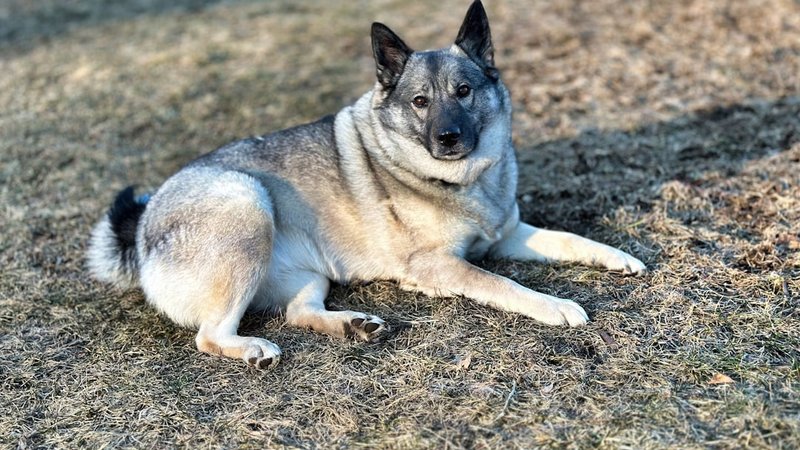
The Norwegian Elkhound is one of the oldest Spitz-type breeds, developed in Scandinavia to hunt moose and elk across snow-covered terrain. Their thick silver-grey double coat is specifically adapted to endure Scandinavian winters.
- Key Specs: 44–55 lbs; dense double coat; lifespan 12–15 years
- Pros: Hardy, loyal, energetic, excellent cold-weather endurance, long lifespan
- Cons: Heavy shedding, can be stubborn, high exercise requirements
17. Leonberger
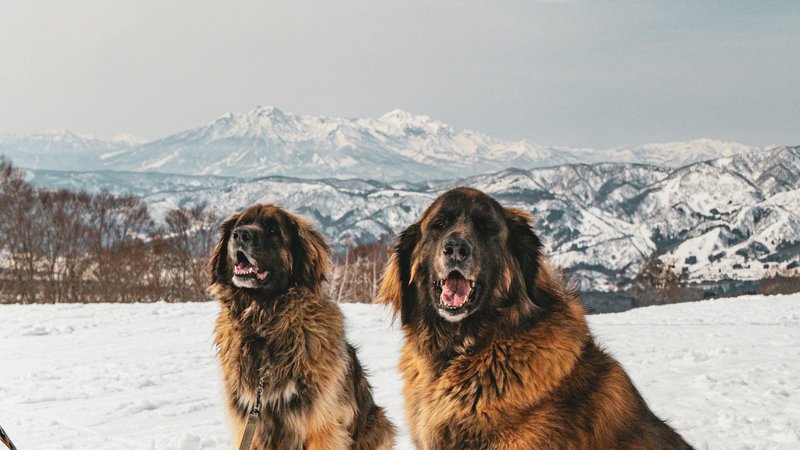
The Leonberger is a German giant breed with a lion-like mane and a thick, water-resistant double coat suited to cold and wet European climates. Despite their imposing size, they are famously gentle and family-oriented. If you love giant, affectionate dogs, also check out signs your dog feels truly safe at home.
- Key Specs: 90–170 lbs; thick double coat with mane; lifespan 8–9 years
- Pros: Gentle giant, cold-tolerant, great with families, impressive appearance
- Cons: Shorter lifespan, heavy grooming needs, significant food costs
18. Rhodesian Ridgeback
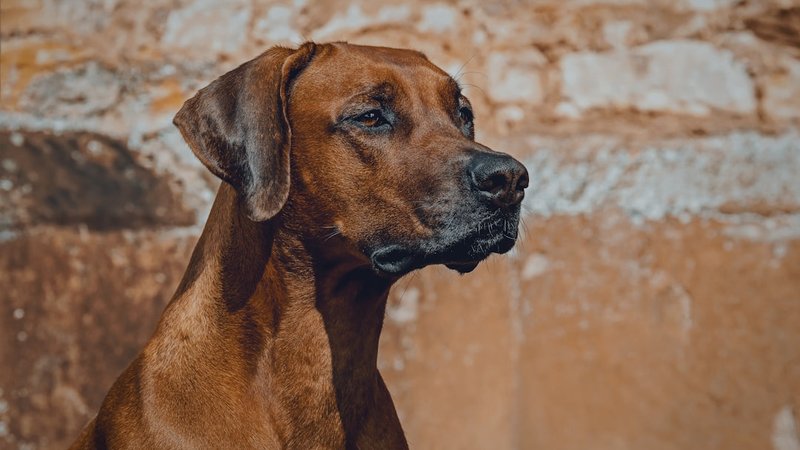
The Rhodesian Ridgeback is primarily a warm-climate breed from Southern Africa, but their athletic build and short, dense coat offer more cold tolerance than many people expect. They can handle mild to moderate cold, though they are not suited to Arctic conditions.
- Key Specs: 70–85 lbs; short dense coat; lifespan 10–12 years
- Pros: Athletic, loyal, muscular, handles moderate cold reasonably well
- Cons: Not suited to extreme cold, needs a coat in harsh winters, high energy
19. Chow Chow
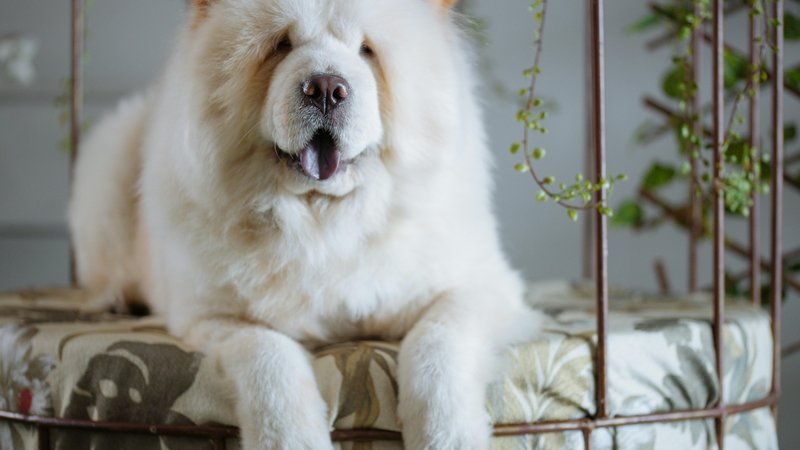
The Chow Chow is one of the oldest dog breeds, originating in ancient China where it served as a hunter, herder, and guard dog in cold northern regions. Their extraordinarily dense double coat and distinctive lion-like mane provide exceptional insulation.
- Key Specs: 45–70 lbs; very dense double coat; lifespan 8–12 years
- Pros: Highly cold-tolerant, clean and cat-like, loyal to family, calm indoors
- Cons: Aloof with strangers, prone to overheating in summer, heavy grooming needs
20. Akita
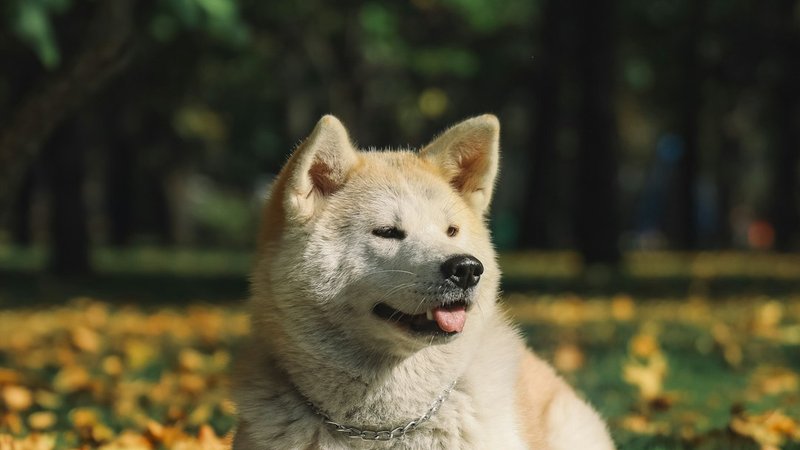
The Akita is a powerful Japanese breed originally used to hunt bears and guard royalty in the cold mountainous regions of northern Japan. Their plush, thick double coat and muscular frame make them superbly equipped for cold winters. For more on large, devoted breeds, explore how devoted large dogs can truly be.
- Key Specs: 70–130 lbs; thick double coat; lifespan 10–13 years
- Pros: Loyal, dignified, excellent cold tolerance, powerful and protective
- Cons: Dominant with other dogs, needs experienced owner, heavy seasonal shedding
Choosing from the best large dog breeds for cold climates means finding a match for your lifestyle, living situation, and experience level. Every breed on this list brings something unique to the table, from the sled-pulling power of the Alaskan Malamute to the serene loyalty of the Akita.
Whatever breed you choose, commit to proper grooming, adequate exercise, and regular veterinary care. A well-cared-for cold-climate dog is not just a pet — they’re a winter companion built to thrive alongside you.