How Long Can Dogs Be Left Alone: Safe Guidelines
Every dog owner has asked themselves the same question at some point: how long is too long to leave a dog home alone? Whether you work full-time, travel occasionally, or simply run errands, understanding what your dog can reasonably handle is one of the most important parts of responsible ownership. The answer is not one-size-fits-all — it depends heavily on age, breed, health, and training history.
Getting this wrong does not just lead to a chewed-up couch. Prolonged isolation can cause genuine psychological distress for dogs, including anxiety, destructive behavior, and regression in house training. The good news is that with the right strategies, most dogs can be set up to handle alone time with far less stress — for them and for you.
Understanding Alone Time Limits by Dog Age and Life Stage
Age is the single biggest factor in determining how long a dog can be left alone. Puppies under twelve weeks should not be left alone for more than one to two hours at a time. Their bladders are tiny, their emotional regulation is undeveloped, and they need frequent socialization to grow into confident adults. From three to six months, two to three hours is a reasonable ceiling. Adult dogs between one and seven years of age can generally manage four to six hours, though this varies significantly by individual. Senior dogs often need more frequent bathroom breaks and may struggle with longer periods due to health conditions like incontinence or cognitive decline. If you are bringing home a new dog, establishing a consistent routine from the very first day makes a measurable difference in how well they adapt to time alone.
Breed-Specific Tolerance and Individual Health Considerations
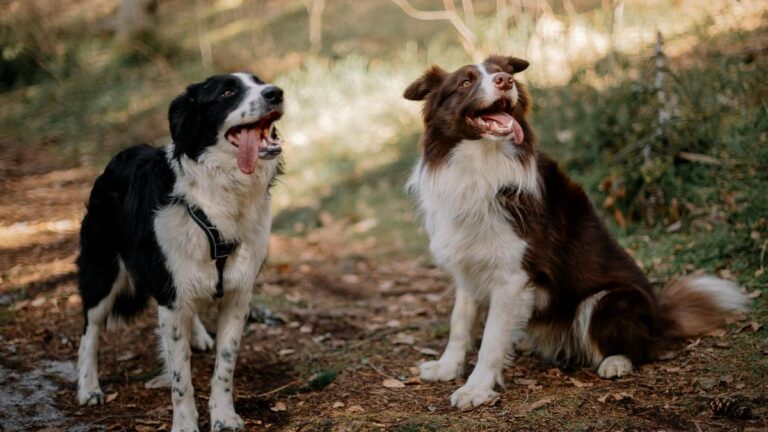
Not all dogs experience solitude the same way. Breeds that were developed for close human companionship — such as Labrador Retrievers, Vizslas, and Border Collies — tend to struggle more when left alone compared to more independent breeds. According to Petful, breeds like the Basset Hound are more tolerant of alone time than high-energy breeds, largely because they are independent and spend much of the day resting. Health also plays a major role. A dog managing chronic pain, a urinary condition, or anxiety disorder will have a lower threshold for comfortable solitude regardless of breed. If you own a French Bulldog, for instance, their brachycephalic physiology and strong attachment to owners means extra attention to how alone time is structured.
Practical Solutions for Full Work Days and Extended Absences
A standard eight-hour workday exceeds what most dogs can comfortably manage without intervention. Dog walkers, trusted neighbors, doggy daycare, and pet-sitting apps are all practical options for breaking up long stretches. Even a single midday visit makes a significant difference in a dog’s stress levels and physical comfort. For extended absences beyond a day, boarding with a reputable facility or having someone stay in your home is far preferable to leaving a dog alone for more than eight hours at a stretch. Planning ahead matters — pet-friendly travel arrangements have become more accessible, but they require research and early booking to get right.
Recognizing Signs of Distress and Building Independence Gradually
Dogs communicate discomfort with alone time in several recognizable ways: excessive barking or howling, destructive chewing, inappropriate elimination, pacing, and attempts to escape. Some dogs display these behaviors only during departures, while others sustain them throughout the absence. It is worth noting that, as The Guardian points out in a broader context, solitude itself is not automatically harmful — distress tends to emerge when underlying needs are unmet. For dogs, those unmet needs are usually exercise, mental stimulation, or a lack of gradual conditioning to being alone. Building independence means starting with very short departures and slowly extending them over weeks, always returning before the dog reaches a distress threshold.
Environmental Safety and Enrichment Strategies for Solo Dogs
The environment a dog is left in matters as much as the duration. A safe, confined space — whether a crate, a gated room, or a dog-proofed area — reduces the risk of injury and destructive behavior. Puzzle feeders, frozen Kongs, long-lasting chews, and calming music or white noise can all extend a dog’s comfortable tolerance of solitude. Cameras with two-way audio let owners check in and offer brief reassurance without physically returning home. Rotating enrichment items keeps novelty high and boredom low. Dogs that are well-exercised before being left alone settle far more quickly and stay calm for longer — a tired dog is genuinely a more content dog when the house goes quiet.