How to Travel with a Cat Internationally: Complete Guide
Taking your cat across borders is one of the most logistically demanding things a pet owner can do. Between government paperwork, airline rules, and a cat who may have strong opinions about being in a carrier for twelve hours, there is a lot to coordinate. Understanding the full process before you book anything makes the difference between a smooth trip and a stressful scramble at the airport.
Whether you are relocating permanently or making a long-term move, knowing the steps in advance protects both you and your cat. If you are also considering what a full international move looks like for a pet owner, this guide on moving to another country with your pet offers helpful context alongside the steps below.
Essential Documentation and Health Requirements
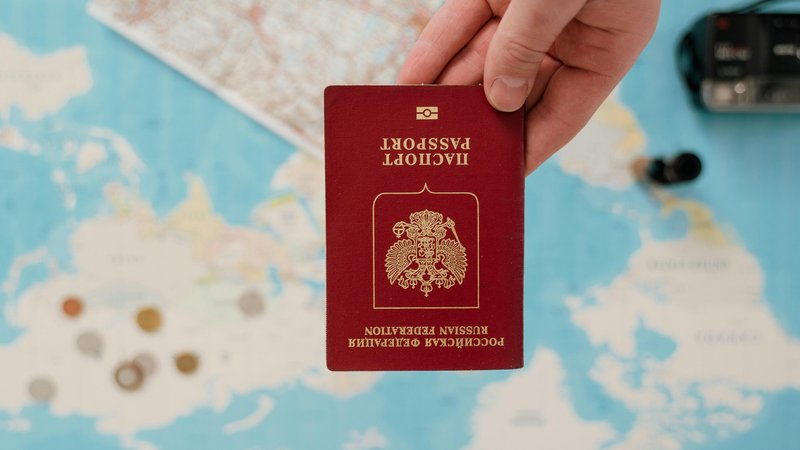
Every destination country has its own entry requirements for cats, and these rules are non-negotiable. Most countries require a current rabies vaccination, a microchip that meets ISO 11784/11785 standards, and a health certificate issued by an accredited veterinarian within ten days of departure. Some nations, particularly island countries like Australia, New Zealand, and the UK, enforce mandatory quarantine periods ranging from days to months.
Start by checking the USDA APHIS pet travel portal for country-specific requirements if you are departing from the United States. Travelers moving into or within Europe should consult the EU pet movement resources for member state rules. Allow at least three to four months of lead time, as some vaccinations require waiting periods before a cat is considered compliant for entry.
Airline Policies and Booking Your Cat’s Ticket
Not every airline accepts cats in the cabin, and those that do have strict size and weight limits for the carrier. Cats typically must fit in a soft-sided carrier that slides under the seat in front of you, and the combined weight of cat plus carrier often cannot exceed around ten pounds depending on the carrier. For a full breakdown of which carriers accept cats on board, the guide to airlines that allow cats in the cabin is a practical starting point.
The IATA live animal regulations set the baseline standards that most airlines follow for pets traveling as cargo. If your cat must travel in the hold, confirm the airline’s specific crate requirements and temperature restrictions well before your travel date. Always book your cat’s spot at the same time as your own ticket, as pet spaces are limited per flight.
Preparing Your Cat for the Journey
Carrier training is one of the most valuable investments of time you can make before an international trip. Begin leaving the carrier open in your home weeks before departure so your cat associates it with safety rather than stress. Place familiar bedding and a worn piece of your clothing inside to provide comfort through scent.
On travel day, leave time to coax your cat into their carrier, calmly buckle their carrier into the car, and safely drive to your destination. Rushing this process almost always backfires. Also avoid feeding your cat a large meal within four hours of departure to reduce the chance of motion sickness.
Managing Stress and Behavioral Challenges During Travel
Some cats tolerate travel with minimal fuss, while others vocalize persistently or show signs of acute anxiety. Talk to your veterinarian before the trip about whether a short-term anti-anxiety medication like gabapentin is appropriate for your cat. The Humane Society’s pet travel safety guidelines also recommend keeping your cat’s environment as calm and consistent as possible during transit. Avoid opening the carrier in public spaces, and speak to your cat in a low, reassuring voice throughout the journey.
It is also worth reviewing common errors before you fly. The list of mistakes pet owners make when traveling internationally covers oversights that are easy to avoid once you know what to watch for.
Cost Breakdown and Financial Planning
International cat travel involves more expenses than most owners anticipate. Airline pet fees, veterinary health certificates, government endorsements, import permits, and potential quarantine costs all add up quickly. Many different costs and moving pieces are involved when flying a cat internationally, and building a detailed budget early prevents last-minute financial surprises. Professional pet relocation services are also available for complex routes and can manage documentation on your behalf, though they add to the overall cost.
Arrival and Post-Travel Adjustment
Once you arrive, give your cat a quiet, contained space to decompress before exploring the new environment. Set up a familiar-smelling room with their litter box, food, water, and bedding before releasing them into the full space. Most cats settle within a few days to a few weeks, though some may take longer depending on temperament and the length of the journey. Monitor eating, drinking, and litter box habits closely in the first week, and contact a local veterinarian if anything seems off. A calm, patient approach to the transition period goes a long way toward helping your cat feel secure in a new country.