Five Signs Your Dog Actually Feels Safe and Comfortable at Home
Helping a dog feel genuinely at ease in a new home is one of the biggest challenges any pet owner faces, whether they adopted from a shelter or brought home a puppy from a breeder. Dogs from shelters often need extra time and patience to adjust, but even puppies from trusted breeders don’t always settle in right away. Fortunately, our dogs are constantly communicating how they feel through their behavior, and once you know what to look for, it becomes much easier to read them. According to the American Veterinary Medical Association, more than 56 million American households have at least one dog, and around two million dogs are adopted every year.
Shannon Walker, a dog trainer and behaviorist who runs the Man’s Best Friend training center, has outlined the key signals that tell you your dog has truly found its comfort zone. She puts it simply by explaining that a dog that feels secure will relax, actively seek out connection with its owner, and trust that person to lead. That kind of calm confidence, she says, is the hallmark of a genuinely happy animal.
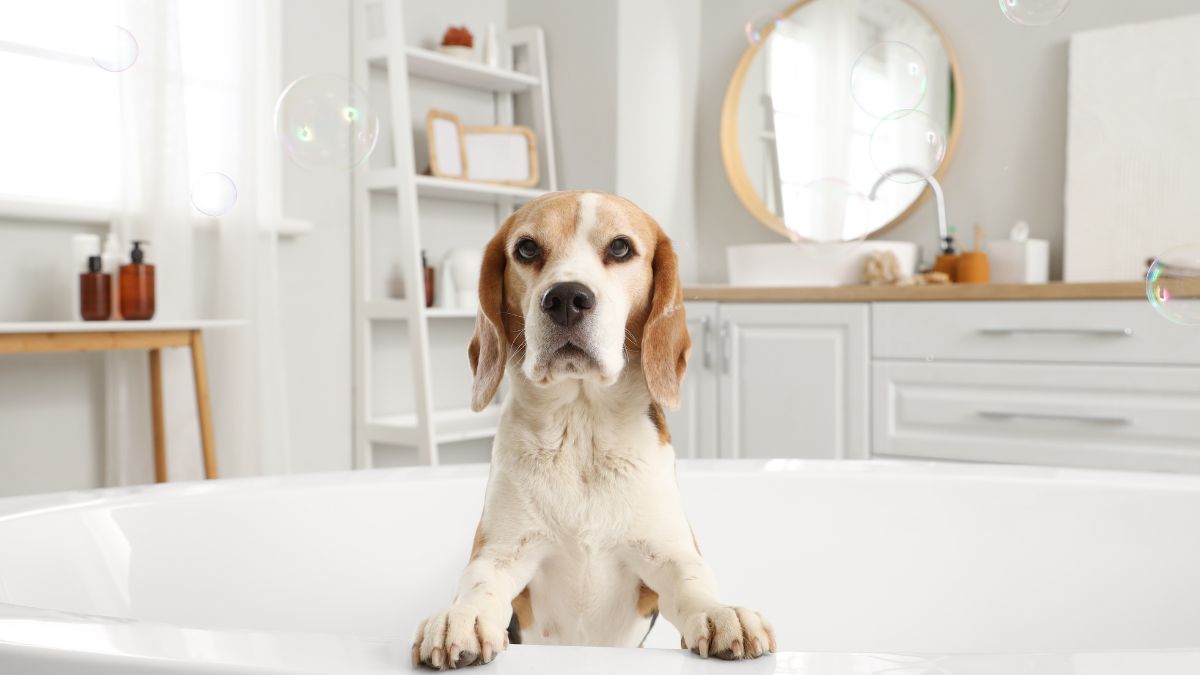
The most immediate thing to look for is your dog’s overall body language. Walker explains that a soft gaze, a loose jaw, and relaxed ears and tail all point to a dog that is emotionally settled and not running on high alert. When a dog carries itself without tension, it’s a pretty clear window into how it’s feeling inside. This is often one of the first changes owners notice as their dog starts to adjust.
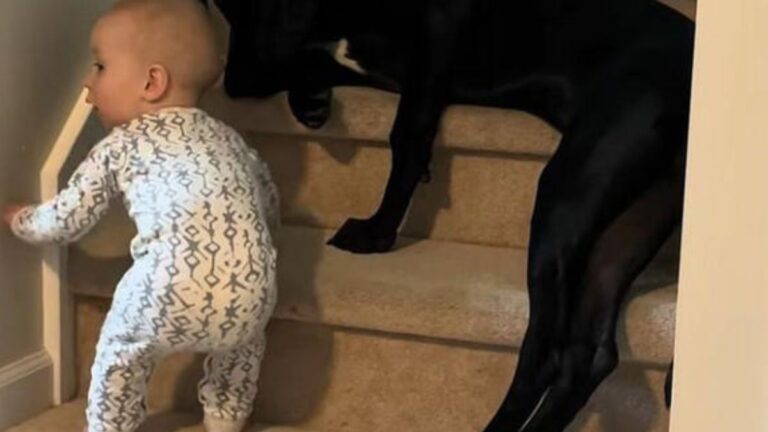
Sleep patterns are another surprisingly useful indicator. Dogs naturally rest for much of the day, but the quality of that rest matters enormously. Walker notes that a dog which falls asleep quickly and sleeps deeply is showing real trust in its environment, essentially believing that its needs will consistently be met. On the flip side, a dog that struggles to relax or wakes up frequently may still be on edge about its surroundings.
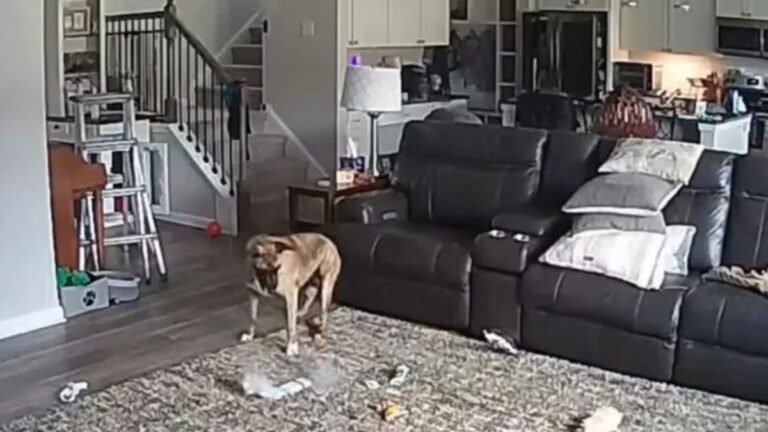
How your dog chooses to initiate contact with you also speaks volumes. A dog that confidently walks up to you, leans in, or nudges for attention is demonstrating genuine trust. Walker points out that this kind of approach, done calmly and without hesitation, shows the dog feels safe enough to ask for what it wants. Mealtime behavior is equally telling, since research has found that anxious and impulsive dogs are more prone to resource guarding, whether through aggression, avoidance, or gobbling food down frantically. A dog that eats at a relaxed pace, without any stress around its bowl, is one that feels secure about having its basic needs covered. Playfulness and curiosity round out the picture, as a dog that actively engages with toys and explores its environment is clearly not weighed down by anxiety.
For owners whose dogs are still showing signs of nervousness, accredited trainer Joe Nutkins recommends a few practical steps. He emphasizes building a predictable routine, though he’s quick to clarify that this isn’t about feeding at the exact same minute every day. Rather, it’s about creating a recognizable pattern of activities, who does them and where, so the dog always knows what’s coming next. He also suggests making sure the dog has dedicated quiet time for rest, since even the most energetic breeds need downtime to support their immune system and overall wellbeing. Adding calming foods like turkey, fish, or sweet potato to the diet, using calming supplements, and working with a certified professional when needed are all part of Nutkins’ approach to helping an unsettled dog find its footing.
If you’ve noticed any of these signs in your own dog, or have tips that helped your pup feel more at home, share your experience in the comments!