
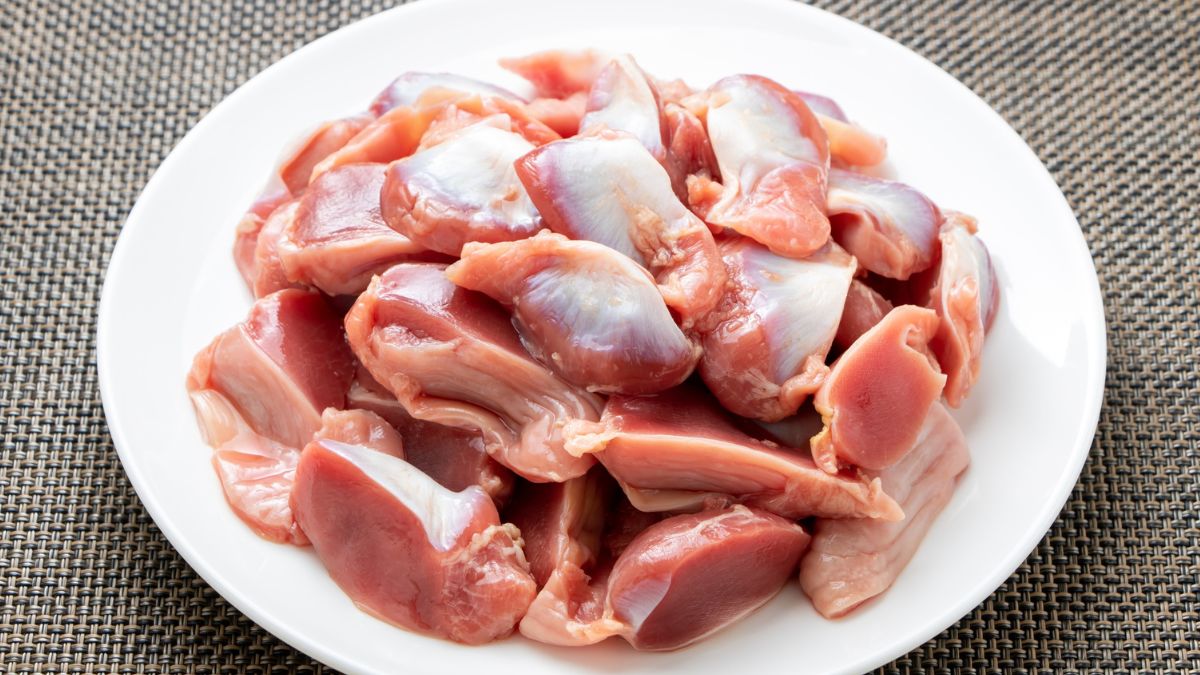
Creative Ways to Include Chicken Gizzards in Your Dog’s Diet
Chicken gizzards are one of the most underrated ingredients you can add to your dog’s meals. They are packed with nutrients, widely available at most grocery stores, and surprisingly affordable compared to other protein sources.
Many dog owners overlook organ meats entirely, sticking to muscle meat and commercial kibble out of habit. But introducing chicken gizzards into your dog’s regular rotation can make a meaningful difference in their overall health and vitality.
Why Chicken Gizzards Are a Powerhouse for Dog Nutrition
Chicken gizzards are dense with protein, making them an excellent building block for strong muscles and healthy tissue repair in dogs. They also contain significant amounts of iron, zinc, and B vitamins, all of which support everything from immune function to coat quality.
One of the standout features of gizzards is their glucosamine content. Glucosamine is a compound that supports joint health, which makes gizzards particularly valuable for older dogs or breeds prone to hip and joint issues.
Beyond their nutrient profile, gizzards have a firm, chewy texture that many dogs find genuinely satisfying. That natural chewiness can also support dental health by encouraging dogs to work their jaws more thoroughly than they would with softer foods.
It is worth noting that gizzards are classified as a muscle organ rather than a secreting organ like the liver or kidney. This distinction matters because they can generally be fed in larger quantities without the same strict limits that apply to more potent organs.
Cooking Methods That Make Gizzards Safe and Digestible
Boiling is the simplest and most popular way to prepare chicken gizzards for dogs. A quick boil of around 15 to 20 minutes softens the texture, kills any potential bacteria, and makes them easy to chop into bite-sized pieces for dogs of all sizes.
Baking is another excellent option, especially if you want to create a crunchier texture your dog might go wild for. Spreading sliced gizzards on a baking sheet and cooking them low and slow produces a treat-like consistency without any added oils or seasonings.
You should always avoid adding onion, garlic, salt, or any common cooking seasonings when preparing gizzards for dogs. Plain preparation is the safest and most nutritious approach, as many human-friendly spices are toxic to dogs.
If you are comfortable with raw feeding practices and have sourced high-quality gizzards from a reputable supplier, raw gizzards can also be offered as part of a balanced raw diet. Many experienced raw feeders include them regularly as a staple component of their dog’s weekly menu.
Homemade Dog Food Ideas That Feature Gizzards
One of the most popular homemade dog food approaches is a simple stew combining boiled chicken gizzards with brown rice, carrots, and peas. This kind of meal is easy to batch cook, stores well in the fridge for several days, and provides a balanced mix of protein, fiber, and complex carbohydrates.
Another creative idea is to blend cooked gizzards into a slurry and freeze it in ice cube trays for use as meal toppers or frozen treats. Dogs tend to love the rich flavor, and it becomes an easy way to sneak extra nutrition into their bowl without any fuss.
Gizzards can also be dehydrated at home using a food dehydrator set at the appropriate temperature for poultry. The end result is a chewy, jerky-style treat that travels well and makes a great high-value reward for training sessions.
For dogs on a raw diet, gizzards work beautifully as part of a prey-model feeding plan. Rotating them alongside other proteins like beef heart, chicken necks, and fish creates variety while ensuring your dog receives a wide spectrum of nutrients over time.
How to Portion Organ Meat for Dogs Without Overdoing It
Portion size is one of the most important considerations when adding any organ meat to your dog’s diet. A common guideline among canine nutritionists is that organ meat as a whole should make up no more than 10 to 15 percent of your dog’s total diet.
Because gizzards are a muscle organ rather than a true secreting organ, they sit in a slightly more flexible category. Even so, it is wise to start with small amounts and monitor your dog’s digestion before making gizzards a regular fixture in their meals.
Some dogs experience loose stools when organ meats are introduced too quickly, which is a sign the digestive system needs more time to adjust. A gradual introduction over one to two weeks helps the gut adapt without unnecessary discomfort.
Puppies, senior dogs, and dogs with existing health conditions may have different tolerances and dietary needs, so it is always a good idea to check with your veterinarian before making significant changes to their food routine.
Sourcing and Storing Gizzards the Right Way
Finding quality chicken gizzards is easier than most people expect. They are commonly sold fresh or frozen at grocery stores, butcher shops, and Asian or Latin markets, often at a very low cost per pound.
When purchasing fresh gizzards, look for pieces that are firm, pinkish-brown in color, and free of any strong or unpleasant odor. Fresh gizzards should be used within one to two days of purchase or transferred to the freezer immediately if you are buying in bulk.
Frozen gizzards are a convenient pantry staple for dog owners who like to prepare meals ahead of time. Thaw them in the refrigerator overnight rather than at room temperature to minimize any risk of bacterial growth.
Buying in larger quantities from a trusted butcher and freezing portions in weekly meal-sized bags is a practical strategy that saves money and ensures you always have this nutritious ingredient on hand for your dog.