
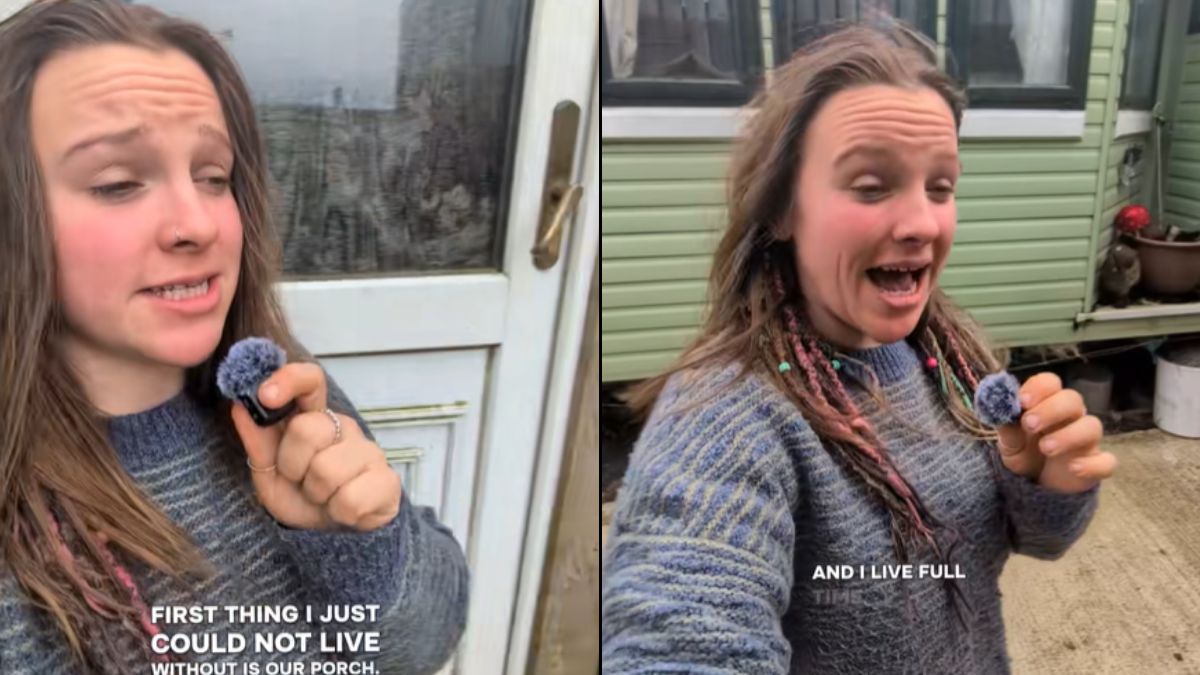
People Are Amazed by the Daily Costs of This Couple Living Off the Grid in a Camper
Libby Ramsden and Ollie Blackwell have traded the traditional office life for a minimalist existence in a static caravan. This young couple decided to leave behind their conventional careers to pursue a self-sustaining dream on a rural farm. They now focus their energy on their own creative projects rather than working for others.
By moving off the grid, they have managed to slash their daily living costs to approximately ten euros. Their decision was primarily driven by a desire for financial freedom and the opportunity to build their own artisanal soap business. They found that the only way to make their dream a reality was to eliminate their largest monthly expenses.
Before making the jump, the pair faced the reality of high housing costs in their local area. They discovered that rent and utilities for a standard home would have cost them nearly twelve hundred euros every single month. This financial burden made it impossible for them to save enough capital to start their company.
The high price of modern living felt like a trap that prevented them from following their true passions. Instead of taking on a heavy mortgage, they invested thirteen thousand euros in a static caravan situated on Ollie’s family land. This one-time investment provided them with a home that they own outright without any debt.
@herdandhive Would you try off-grid living? 👀 Living off-grid has taught us that some “normal” things suddenly make zero sense… 🌿⚡ When you generate your own power, collect your own water, and heat your home with wood from the farm, you start to see everyday life very differently. From electricity habits to water use — these are the things that just don’t make sense anymore when you live off grid. Would you try off-grid living? 👀 #offgridliving #offgridlife #livingoffgrid #offgriduk #simpleliving ♬ original sound – 🐝 Libby | Herd & Hive 🐝
Today, their monthly outgoings total around two hundred and seventy euros, which covers rent for the land and basic council taxes. This drastic reduction in expenses allowed both of them to quit their stable, full-time jobs. They no longer feel the pressure to work forty hours a week just to keep a roof over their heads.
Libby previously worked as a laboratory assistant while Ollie was employed as a mechanic and farmer. Now, they spend their days managing their own soap and honey company while tending to a variety of farm animals. This change in career has allowed them to merge their professional interests with their love for the outdoors.
Their off-grid setup is both primitive and surprisingly efficient for their specific needs. They do not have access to a standard electrical grid or a public water supply, which requires a hands-on approach to daily chores. Living this way means they have to be very conscious of every resource they consume.
Instead of turning on a tap, they collect rainwater from a nearby barn roof and pass it through a filtration system. This purified water provides everything they need for drinking, washing, and caring for their livestock. It is a sustainable cycle that keeps them connected to the natural environment around them.
For electricity, the couple relies on a generator powered by a tractor, which they run for only one hour each evening. This brief window of power is used to charge their mobile phones and heat water for their evening showers. Without a television or permanent internet connection, they spend their nights reading or talking by the fire.
Heating the caravan during the colder months is managed by a traditional wood-burning stove. They source their own firewood from the surrounding land, which helps keep their utility bills at zero throughout the year. This system provides a cozy atmosphere that a modern central heating unit simply cannot replicate.
The couple starts their mornings at dawn to care for a variety of animals, including goats, sheep, and rescued donkeys. Much of their afternoon is dedicated to their business, where they manufacture handmade soap and package fresh honey. Their lifestyle ensures that they are physically active and engaged with their work from sunrise to sunset.
Life in a caravan is not without its difficulties, especially when the weather turns harsh and unpredictable. The winter months can be particularly challenging as the wind and cold test the insulation of their small dwelling. They have had to learn how to prepare for the elements to ensure their home remains a safe haven.
Despite these hardships, Libby and Ollie believe the trade-off is worth the immense freedom they have gained. They admit that their relationship has grown much stronger because they must work together to maintain their self-sufficient lifestyle. Every task requires cooperation and communication, which has brought them closer than ever before.
Many people who see their lifestyle online often have misconceptions about the reality of how they live. Some assume they live in unsanitary conditions or lack basic comforts such as a proper bathroom. Libby is quick to correct these assumptions, noting that their life is far more organized than people think.
She clarifies that while their life is simple, it is far from uncomfortable or unhygienic in any way. They aim to show others that there is a viable alternative to the high-stress cycle of modern employment and debt. Their hope is to inspire a few people to reconsider what is truly necessary for a happy life.
In the future, the couple plans to upgrade their living situation by building a permanent wooden chalet on the property. However, they have no intention of ever returning to a life connected to the public utility grid or traditional housing markets. They have found a sense of peace that they never want to give up for the sake of convenience.
They remain committed to staying self-sufficient and staying close to the nature that provides for them. For this adventurous pair, the peace and independence of the farm far outweigh the luxuries of a traditional house. They have proven that with a bit of ingenuity, one can live well on very little.
Their story serves as a powerful reminder that a different way of living is possible for those willing to sacrifice certain modern conveniences. By lowering their overhead, they have successfully reclaimed their time and their professional future. They are no longer working to live, but living to work on what they love.
Let us know what you think about this minimalist way of living in the comments.