A Woman Shares the Terrifying Reality After Traveling Through One of the Most Dangerous Places on the Planet
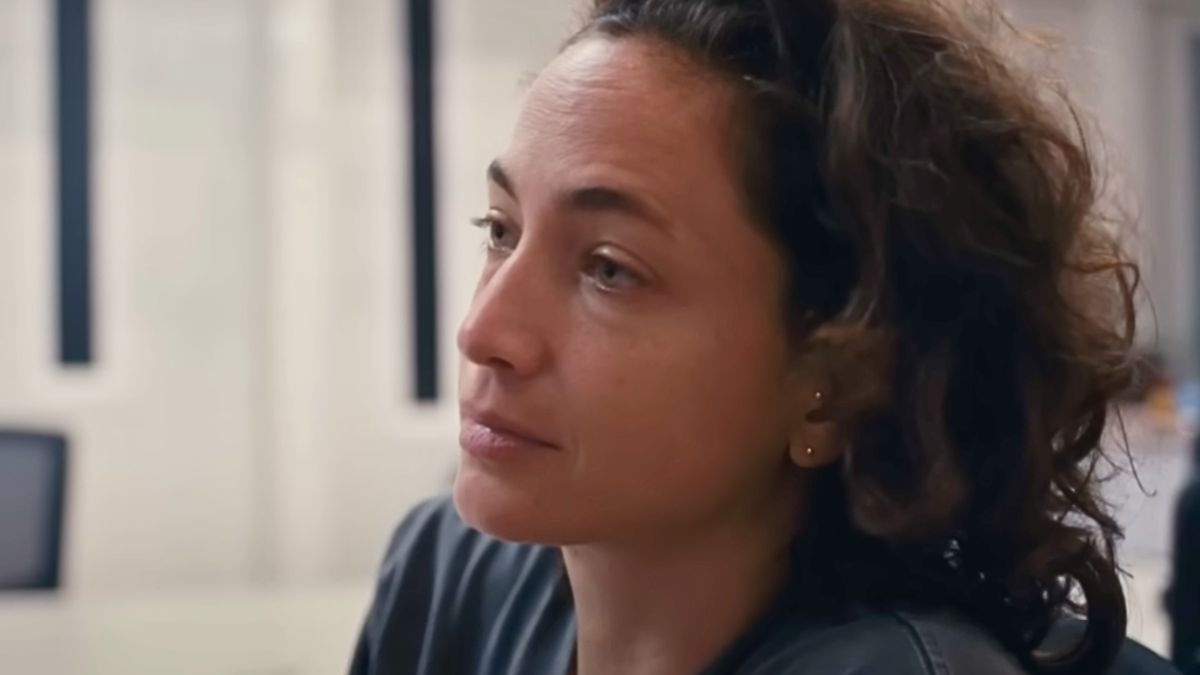
Nestled in the thin strip of land that links North and South America sits a remote stretch so wild that no road has ever cut through it. This is the Darién Gap, a roughly sixty-mile expanse straddling the border between Panama and Colombia. While many picture it as an impenetrable jungle filled with wildlife, the true dangers extend far beyond what nature alone can deliver. Journalist Paola Ramos ventured into the area and witnessed firsthand the harrowing conditions that migrants face daily.
The terrain itself presents immense challenges for anyone attempting the crossing. Dense rainforest, steep hills, and relentless humidity combine to make progress slow and exhausting over five or six days. Travelers often arrive unprepared, lacking sturdy shoes or enough supplies, which turns minor issues into life-threatening situations. With no proper medical facilities or law enforcement present, even a simple injury can escalate quickly in such isolation. Venomous snakes, scorpions, spiders, jaguars, and disease-carrying insects add another layer of constant risk amid the sweltering heat.
Yet according to Paola Ramos, the human threats overshadow the wildlife by a wide margin. Gangs patrol the routes in search of vulnerable targets, leading to widespread robberies and kidnappings. Women and girls face particularly high chances of sexual assault or trafficking during the journey. Paola noted that poisonous snakes, scorpions, and jaguars lurk on the trail, but far worse are the gangs hunting for prey. Migrants remain exposed to theft at any moment, and many women endure rape as they push forward with their families.
Numbers reveal how dramatically the situation has intensified in recent years. Back in 2019 more than twenty-four thousand people braved the gap, including around four thousand children. By 2023 that figure surged to over half a million individuals from dozens of countries, many driven by instability in places like Venezuela. Paola described scenes of at least one hundred people moving together, with children as young as three months old among them. A palpable sense of anxiety hung in the air, especially among mothers determined to keep their little ones safe through the entire ordeal.
The gap serves as a critical but perilous chokepoint for those without legal options for air or sea travel northward. Its location makes it the only viable land route for many seeking better opportunities. Without infrastructure or oversight, the journey transforms into a desperate gamble where survival depends on luck as much as preparation. Paola captured the raw emotion of families pressing on despite the overwhelming odds stacked against them.
This reality highlights the complex mix of natural barriers and man-made perils that define the Darién Gap today. What appears on maps as a simple green patch conceals stories of resilience, fear, and unimaginable hardship for thousands who attempt the trek each year.
What are your thoughts on the dangers faced by migrants in places like the Darién Gap? Share them in the comments.