The Ngogo Chimpanzee Community Faces a Brutal Internal Conflict
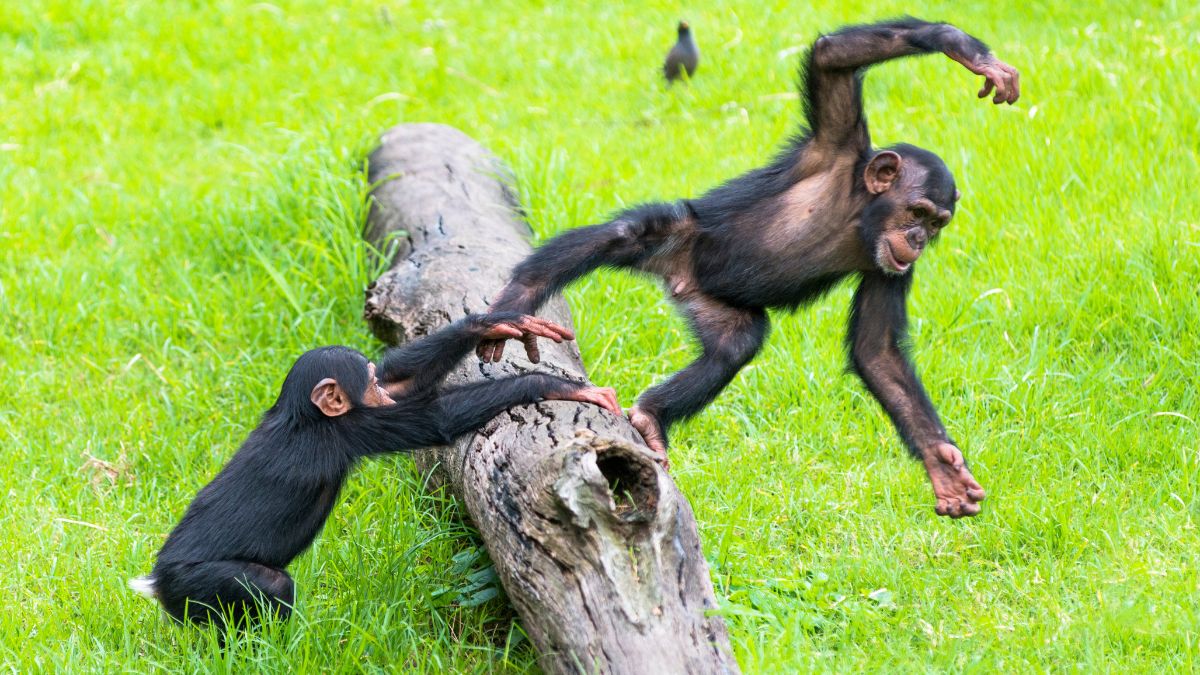
In the lush forests of Uganda’s Kibale National Park lives one of the largest known groups of wild chimpanzees ever documented. For decades these primates thrived together in a tight knit community of around two hundred individuals sharing food grooming and territory patrols without major trouble. Yet starting around 2015 something shifted dramatically and the once unified clan split into rival factions now locked in what researchers describe as a prolonged and deadly civil war.
The division created two main groups known as the Western and Central factions. By 2018 the separation had become complete with the subgroups avoiding shared spaces and turning aggressively against each other. Scientists observing the area have recorded at least twenty eight killings since the conflict escalated including a shocking number of infants. These attacks often involve coordinated violence where multiple chimpanzees gang up on victims sometimes ripping at limbs or leaving bodies badly injured in scenes that echo the darkest aspects of group conflict.
Experts note that such intense internal fighting is exceptionally rare among chimpanzees especially within a single community that had lived peacefully for so long. The Ngogo population had been studied continuously for nearly thirty years providing a unique window into their social dynamics. Researchers like John Mitani who has followed these animals closely point out that the violence includes lethal raids on the opposing side with infants proving particularly vulnerable to the assaults.
17 yavru ve 7 yetişkin maymunun öldüğü savaşın görüntüleripic.twitter.com/XwwSzQi5jD https://t.co/ts6TPRFFTS
— tanık (@tanik_tr) April 10, 2026
Possible triggers for the split remain unclear though some observers suggest factors like deaths from disease or shifts in male dominance hierarchies may have played a role in fracturing alliances. Food resources in the park could also contribute as competition intensifies when groups grow large and territories overlap less harmoniously. Unlike typical intergroup wars between separate chimp communities this conflict feels more personal and troubling because it pits former friends and family members against one another in brutal encounters.
The scale of the Ngogo violence stands out even among other documented chimpanzee conflicts. Coordinated attacks on adult males and the targeting of young ones have resulted in a death toll that researchers compare to human civil strife in its intensity and duration. Over the past eight years or so the fighting has continued with no clear end in sight as the factions maintain their hostile separation deep in the Ugandan jungle.
Chimpanzees share many behavioral traits with humans including complex social bonds and the capacity for both cooperation and aggression. Watching this internal war unfold offers scientists fresh insights into how societies can fracture under pressure whether from environmental stress population changes or power struggles. The events at Ngogo highlight that even our closest primate relatives can descend into sustained lethal conflict when unity breaks down.
This remarkable case continues to fascinate primatologists because it challenges assumptions about chimpanzee group stability. The Western faction with around one hundred eight members appears to have initiated many of the assaults while the Central group defends its ground. Each killing adds another layer to the tragedy as infants who represent the future of the community fall victim to the ongoing raids.
Observers emphasize that the chimpanzees use collective tactics during these encounters much like organized warfare. Victims suffer severe injuries and the psychological toll on survivors remains hard to measure though grooming and bonding behaviors have likely suffered within the divided groups. The conflict has already lasted nearly a decade making it one of the longest recorded internal chimp disputes in the wild.
As studies of the Ngogo chimpanzees progress they reveal darker parallels to human history where internal divisions lead to prolonged suffering. The park setting with its rich biodiversity once supported a thriving unified troop now serves as the backdrop for this primate drama. Researchers hope continued monitoring will uncover more about what sustains such animosity and whether reconciliation could ever occur.
What are your thoughts on what this chimpanzee civil war reveals about group dynamics in primates and humans alike. Share them in the comments.