Cooked Bones Can Be Deadly for Dogs, Warn Veterinarians
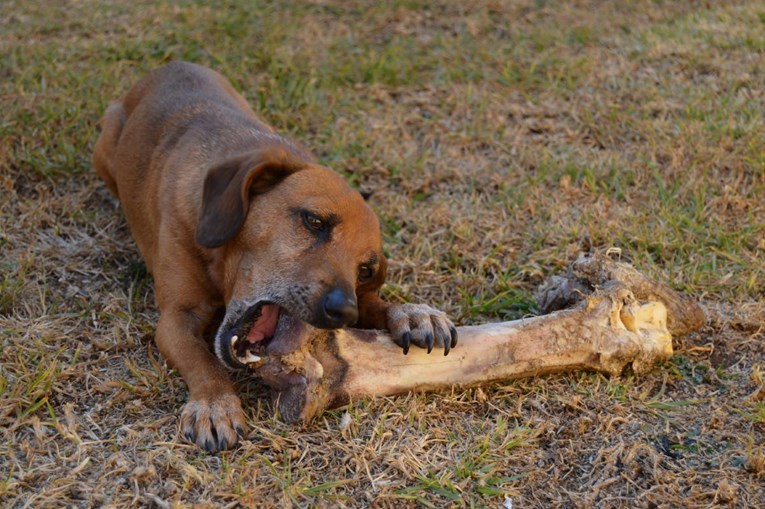
Many dog owners love treating their furry friends to bones after a family meal, thinking it is a natural and enjoyable snack. Yet cooked bones of any kind pose serious risks that can quickly turn into a veterinary emergency. Heat changes the structure of the bone, making it brittle and prone to splintering into sharp fragments. These pieces can cause harm at every stage as they travel through a dog’s system, from the mouth all the way to the intestines.
Veterinarians explain that cooked bones lose their natural flexibility and become dry and fragile. When a dog chews on them, the shards can easily break teeth or pierce the tongue, gums, and soft tissues inside the mouth. Larger fragments may lodge in the throat, leading to choking or damage to the esophagus. Once swallowed, the jagged edges can scrape the lining of the stomach and intestines or even puncture them, resulting in internal bleeding or a severe infection known as peritonitis.
Hollow bones from poultry such as chicken or turkey are especially hazardous because they splinter into many dangerous pieces. Other cooked bones from beef or pork carry the same threats, including blockages that prevent food from passing through the digestive tract. Dr. Brian Carson, a veterinarian from Virginia, notes that these injuries rank among the worst cases he sees in practice, often requiring immediate medical intervention to prevent life-threatening complications.
Prevention starts with simple household habits that keep temptations out of reach. Secure trash cans with tight lids and never leave kitchen scraps unattended where curious dogs can access them. Teach family members and guests not to offer table leftovers, especially during holidays when bones from roasts or poultry are common. Supervision is key if your dog roams freely around the home, as even small moments of distraction can lead to trouble.
If you suspect your dog has eaten a cooked bone, contact your veterinarian right away and describe the type of bone involved. They may recommend inducing vomiting, close monitoring, or an emergency visit depending on the situation. Watch for warning signs such as vomiting, lethargy, excessive drooling, restlessness, or labored breathing, and report them promptly. Early action often makes the difference between a minor issue and a major crisis.
Raw bones and chews might seem like safer options, but many experts still urge caution with them as well. While they do not splinter as easily, they can still break teeth, cause choking, or lead to digestive upset. Large raw bones should match your dog’s size so they cannot swallow them whole, and close supervision remains essential. Raw items also carry a risk of harmful bacteria like salmonella that could affect both the pet and the household.
Beyond bones, other human foods deserve attention to keep dogs safe. The FDA highlights dangers from grapes, raisins, onions, garlic, chocolate, fatty fried items, and salty snacks. Being mindful of everything your dog might nibble helps avoid unnecessary trips to the clinic and supports their overall well-being.
Responsible pet ownership means staying informed about these everyday hazards. By making small changes in how you manage mealtimes and treats, you can protect your dog from avoidable pain and health issues.
What experiences have you had with keeping your dog safe from tempting but risky foods, and share your thoughts in the comments.