Signs That Reveal Your Dog Is Not Getting Enough Quality Sleep
Many dog owners think their pets are snoozing soundly through the night without giving it much thought. In reality poor quality rest can quietly impact everything from mood to overall health in ways that are easy to miss at first. Veterinarians have highlighted several clear indicators that suggest a dog is not truly recharging during sleep. Spotting these signs early can make a big difference in keeping your companion feeling their best each day.
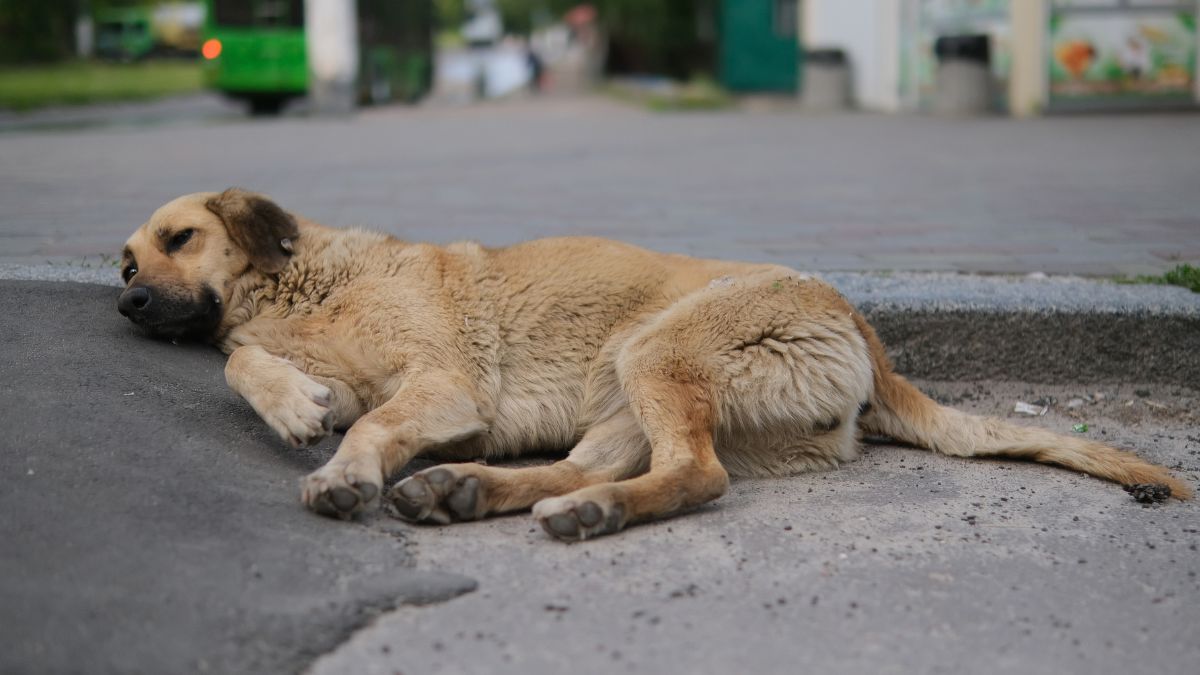
A dog that has enjoyed truly restorative sleep usually wakes up alert and ready to engage with the family or head out for playtime. If your pet logs plenty of hours yet still seems groggy or disoriented upon rising the rest probably lacked the depth needed for full recovery. This lingering tiredness often shows up as a general slowdown in their usual peppy demeanor right from the morning onward. Over time it can leave them less enthusiastic about favorite activities.
Fatigue from inadequate sleep frequently appears through noticeably lower energy levels during routine moments. Your dog might show reduced interest in walks that normally get them excited or seem reluctant to join in games they usually love. Even their appetite can dip as the body struggles to function at peak performance without proper rest. These subtle shifts deserve attention because they point to more than just a lazy day.
Frequent yawning stands out as one of the most common red flags according to veterinary experts like Rakestraw. It is not simply a cute habit but rather a signal that the brain is craving more oxygen and deeper rest than it received overnight. When paired with other behaviors it becomes even more telling about sleep quality issues that owners might otherwise overlook.
Irritability often creeps in when a dog misses out on solid restorative periods. What used to be a calm and patient pet could suddenly snap at minor disturbances or seem unusually short tempered with household members. This change in temperament stems directly from the strain that comes with fragmented or insufficient sleep cycles.
Clumsiness and slower reactions add another layer to the picture of sleep deprivation in dogs. You might notice your pet bumping into furniture more often or taking longer to respond to commands that were once instant. Such coordination lapses happen because the nervous system does not reset fully without high quality downtime each night.
For some dogs the problems extend beyond daytime sluggishness into more concerning patterns. Excessive sleepiness combined with other symptoms like frequent nighttime awakenings can indicate deeper disruptions that need closer monitoring. Loud snoring or heavy panting during rest periods sometimes accompanies these issues and disrupts the natural breathing rhythm essential for good recovery. Older dogs in particular may pace restlessly around the house when their sleep remains light and unsatisfying.
Creating a better sleep environment can help address many of these challenges before they worsen. A quiet dedicated spot away from household commotion along with a comfortable bed suited to your dog’s size and breed often promotes deeper rest. Consistent daily exercise and a predictable bedtime routine also support healthier sleep cycles much like they do for people. Regular veterinary checkups ensure no underlying medical conditions are interfering with nighttime peace.
Paying close attention to your dog’s rest habits strengthens the bond you share and helps prevent small issues from growing into bigger ones. With a few thoughtful adjustments most pets can return to the refreshed and playful state that makes life together so rewarding.
Tell us in the comments if any of these signs sound familiar with your own dog.