Energetic Andean Bear Cub at Colombian National Park Signals Years of Conservation Paying Off
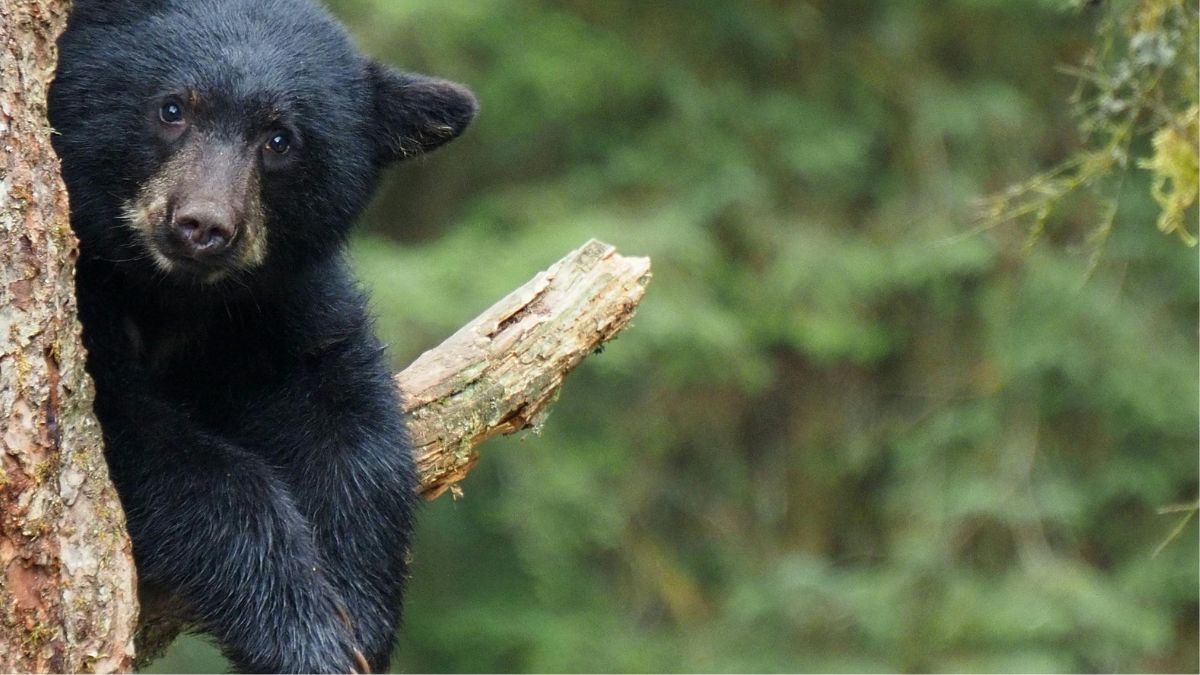
At Chingaza National Nature Park, nestled in the high-altitude mountains just outside of Bogotá, Colombia, conservationists have spent decades working to protect one of South America’s most fragile and biodiverse ecosystems. The park is home to a number of endangered species, and researchers have long monitored its delicate habitats for signs that their efforts are making a difference. Recently, they received the kind of confirmation that makes years of painstaking work feel worthwhile — and it came in the form of a very energetic baby bear. A video captured by park ranger Arley Muñoz shows a young Andean bear cub doing what cubs apparently do best: absolutely losing his mind with joy.
The footage follows the little cub through an enthusiastic burst of energy that included scaling a frailejón tree, dramatically plummeting back to the ground, and then tearing off to do it all over again. Muñoz, who has spent five years working within the protected area, said he had never seen anything quite like it. “He is the most playful bear I have seen within the protected area,” Muñoz said in an interview with Noticias Caracol. “The way he behaves, let’s say that this was a wonderful encounter, which, so far, has set a standard in the topics of sightings.” For someone who has dedicated years to monitoring wildlife in one of Colombia’s most important natural reserves, that kind of reaction says a great deal about just how special this particular sighting was.
But the cub’s exuberant antics carried a meaning far beyond simple cuteness. The presence of a healthy, thriving young bear running freely through the park is a direct indicator that the ecosystem supporting him is in good shape. Muñoz made this connection clearly, explaining that the bear’s playful behavior was closely linked to the availability of food resources in the area. “When resources are available, the bears come out to eat, so that’s why we started to see these individuals playing in the frailejónes,” he said. A well-fed, active cub is essentially a living signal that the park’s natural systems are functioning as they should.
The Andean bear, also known as the spectacled bear, is the only bear species native to Colombia and plays a crucial role in maintaining the health of Chingaza’s ecosystem. As the bears move through the park snacking on plants including the iconic frailejón trees, they unknowingly act as seed dispersers, spreading vital flora across the landscape. Those plants, in turn, contribute to cleaner air and healthier water sources throughout the region. This kind of ecological chain reaction makes the Andean bear not just a symbol of the park, but an active participant in keeping it alive.
The significance of the video extended beyond the ranger who filmed it. Conservationists and park staff widely recognized the sighting as proof that their long-term commitment to protecting Chingaza is producing real, measurable results. Muñoz was direct about what the cub’s appearance means for the park’s standing in the conservation world. “These sightings are important, as this shows that the protected area has a very high state of conservation,” he said. “It should be noted that CNNP is on the green list, a very high standard of conservation that not everyone can meet.” Earning a spot on the IUCN Green List of Protected and Conserved Areas is a recognition that only the best-managed natural reserves in the world receive.
¡Increíble avistamiento en Chingaza! 🌿🐻 Nuestro guardaparque Arley Muñoz capturó en video a una cría de oso andino. Este avistamiento es un claro indicador de los excelentes resultados de nuestras estrategias de conservación. pic.twitter.com/v2CtMrux2A
— Parques Nacionales Naturales de Colombia (@ParquesColombia) November 26, 2024
The Andean bear is currently classified as vulnerable by the International Union for Conservation of Nature, with fewer than 10,000 mature individuals estimated to remain in the wild across their range in the Andes Mountains. Habitat loss driven by deforestation, agricultural expansion, and illegal hunting has placed enormous pressure on the species in recent decades. Parks like Chingaza serve as critical refuges where the bears can live, feed, and reproduce without the threats that plague unprotected areas. Seeing a cub with enough energy to zoom around and tumble out of trees is a reminder of what these protected spaces exist to make possible.
Frailejón plants, by the way, can take up to a century to grow just a few feet tall, making the Andean bear’s role as their seed disperser extraordinarily important to the long-term survival of the páramo ecosystem. The spectacled bear is believed to be the real-world inspiration for Paddington Bear, the beloved fictional character from author Michael Bond’s classic children’s books, given that the species originates from Peru — though today they range across several Andean countries including Colombia. And if you ever wondered what a bear looks like when it has genuinely had the best day of its life, Arley Muñoz’s footage from Chingaza is a pretty convincing answer.
What do you think about the role wildlife like the Andean bear plays in keeping our natural ecosystems healthy — share your thoughts in the comments.