A Beloved Alpaca Farm on the Isle of Wight Is Closing After 15 Years as Tourism Shifts
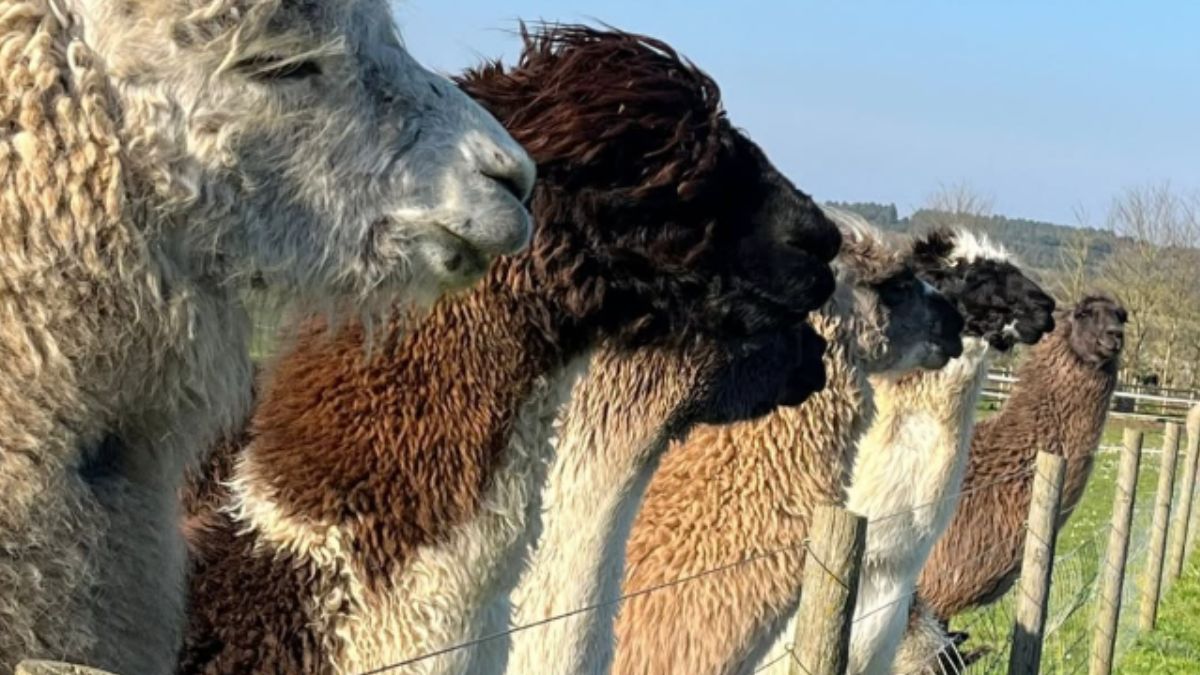
A charming farm park that captured the hearts of visitors for over a decade has announced it will be shutting its gates for good. West Wight Alpacas, located in Wellow on the Isle of Wight off the southern coast of England, will close to the public in September 2025 after 15 years in operation. Owners Michelle and Neil Payne cited a significant shift in tourism patterns following the Covid-19 pandemic as the driving force behind the difficult decision. The announcement has drawn an outpouring of affection from the local community and loyal visitors who have made the farm a staple of their island trips.
Michelle and Neil opened the farm park in 2010, building it into a thriving attraction that housed 100 alpacas, 23 llamas, and a variety of other farm animals across 23 acres of rolling countryside. Over the years, the site grew into far more than a simple animal park, offering guided walking experiences, scenic farm trails, and even wedding ceremonies with alpacas roaming freely among the guests. A cozy on-site cafe rounded out the experience, serving hot drinks, fresh cakes, and snacks to visitors taking a break between activities.
In a statement, the couple spoke candidly about the pressures that led to their decision. “Tourism on the Isle of Wight has changed considerably since the Covid-19 pandemic, with visitor numbers significantly reduced,” they said. “Like many businesses across the UK, we have felt the effects of rising costs and wider global challenges.” Their words resonate with a broader trend affecting rural tourist attractions throughout Britain, where post-pandemic behavioral shifts and economic headwinds have forced many family-run businesses to reassess their futures.
Despite the farm closure, Michelle and Neil are not walking away from alpacas entirely. They plan to retain a small number of animals on the Wellow property while the remainder will join their Northern herd, Northwest Suris. “This allows us to continue our involvement while operating on a smaller scale locally,” the couple explained. The decision reflects a desire to stay connected to the animals and lifestyle they have dedicated themselves to, even as the public chapter of their story draws to a close.
The Paynes also have exciting plans taking shape beyond the farm itself. Their shop, Crackers about Alpacas, which sells socks, slippers, kimonos, and other alpaca-inspired fashion items, will be expanding with a second location in Lymington, Hampshire. The couple has teased a collaboration with textile and fashion students to develop a new high-quality product range for both their shops and online store. They also plan to welcome a visiting coffee van during busy periods and encourage visitors to bring a picnic. “If you have been meaning to visit or experience walking an alpaca, this is your last opportunity to do so,” Michelle and Neil urged, extending their heartfelt thanks to everyone who supported them over the years.
Alpacas are native to the high-altitude Andes of South America, where they have been domesticated for roughly 6,000 years, making them one of the oldest domesticated animals on earth. Despite their woolly, gentle appearance, alpacas can actually hum, click, and even produce a high-pitched alarm call to warn their herd of danger. And for anyone who has ever wondered about the difference between an alpaca and a llama, the easiest tell is the ears: alpacas have short, straight ears while llamas sport longer, banana-shaped ones.
Have you ever visited an alpaca farm or had a unique animal encounter while on vacation? Share your experience in the comments.