A London Park Squirrel Was Filmed Vaping and Now Wildlife Experts Are Sounding the Alarm
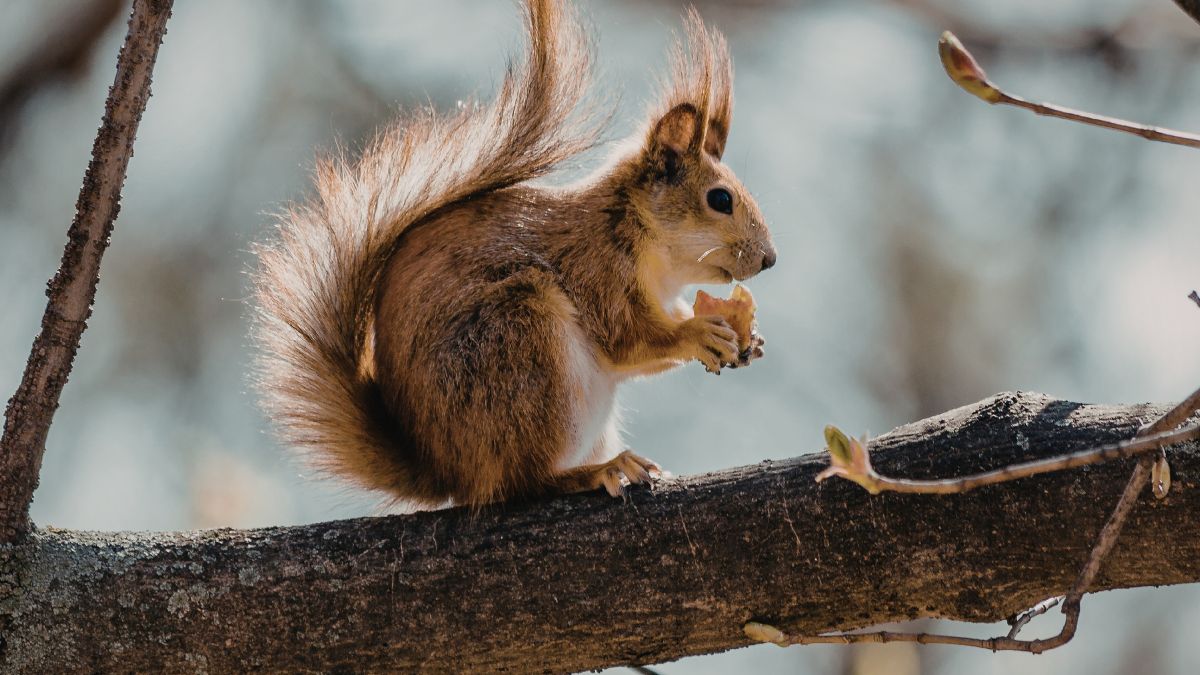
A video making the rounds online shows something nobody expected to see in a London park: a grey squirrel perched on a wooden fence in Brixton, south London, clutching a colorful e-cigarette in its tiny paws and chewing on the mouthpiece like it was an everyday snack. The RSPCA described the clip as a “stark reminder” of the “dangers that littering poses to our wildlife.” What might look like a quirky, shareable moment is actually a window into a much more serious problem unfolding in parks and green spaces across the United Kingdom. As discarded vaping devices pile up in public spaces, wildlife is increasingly coming into contact with products that were never meant for them.
Craig Shuttleworth, a red squirrel expert at Bangor University, said the flavored liquid is likely what draws squirrels to the devices in the first place. “It would be reasonable to assume that a vape would be more attractive than a normal tobacco product that’s not fruity,” he told The Telegraph. Unlike old-fashioned cigarette butts, which gave off a harsh smell that animals would naturally avoid, e-cigarettes are designed to smell and taste appealing to humans, which means they end up appealing to curious wildlife too. Shuttleworth noted that squirrels investigate objects by chewing on them, and the sweet scent of something like blueberry or watermelon could easily fool a foraging animal into thinking it had found something edible. “You don’t want animals ingesting nicotine. They don’t encounter nicotine in the wild, so like many chemicals, it’s something you don’t want them exposed to. Eating a vape isn’t part of their natural diet. The components aren’t something they encounter in nature,” he added. The concern goes beyond nicotine alone, as Shuttleworth warned that squirrels gnawing on the plastic casing could also end up consuming microplastics.
The Brixton clip is far from an isolated incident. Other photos and videos have surfaced across social media in recent months, including a viral TikTok of a squirrel in Philadelphia and a Facebook post from a user in Wandle Valley showing a squirrel climbing a fence with a vape in its mouth. In July 2024, a video of a squirrel holding a vape set to the soundtrack of Afroman’s ‘Because I Got High’ racked up over 43 million views on TikTok. In October 2025, a South Philadelphia mother caught a squirrel curiously examining an e-cigarette in her backyard. The pattern emerging across these incidents points to a behavioral shift in urban wildlife that experts find genuinely troubling, not just entertaining.
Evie Button, a scientific officer at the RSPCA, went so far as to dissect a disposable vape to better understand its appeal to animals. Writing in a blog for Wildlife and Countryside Link, she noted that the strong smell of the devices persists long after use, adding: “The one I took apart still smells strongly of blueberry, over three months since I picked it up.” Button highlighted cases from around the world, including a bird in New Zealand that died after swallowing a vape, and a squirrel in Wales that was photographed trying to bury one. She also raised concerns about domestic pets, noting that there have been reports of animals dying after consuming liquid from discarded vaping devices. The Veterinary Poisons Information Service has received 680 calls about vape incidents involving pets since 2017, with 96 percent of those cases involving dogs.
An RSPCA spokesperson emphasized the scale of the problem: “Sadly, this is the tip of the iceberg, as five million single-use e-cigarettes were thrown away every week, according to research, prior to a government ban on their sale. Many of them end up as litter in our environment, our rivers and the ocean where they can cause harm to animals and marine life. These vapes contain materials and poisonous substances which can be hazardous to animals including plastic, lithium and nicotine.” The organization urged people to hold onto their litter until they could dispose of it responsibly, and to recycle wherever possible.
The UK government introduced a ban on disposable vapes in June 2025, but manufacturers have since redesigned their products with a USB slot and a secondary pod to qualify them as rechargeable and reusable, effectively sidestepping the restrictions. Before the ban took effect, an estimated 5 million disposable vapes were being discarded every week across the country. Even with restrictions in place, the devices already littering parks, pavements, and riverbanks continue to pose a risk to animals for years after being dropped.
Squirrels have no concept of what they are picking up when they grab a discarded vape off the ground. They are simply following millions of years of instinct, investigating anything that smells like it could be food, and they have no way of knowing that the brightly colored plastic object in their paws contains a cocktail of nicotine, lithium, and synthetic chemicals. The responsibility falls entirely on humans, both to dispose of vaping products properly and to support stronger enforcement of litter laws in green spaces.
Gray squirrels can gnaw through materials as hard as lead pipes, which means a disposable vape’s plastic casing offers almost no resistance. Nicotine is classified as a highly toxic substance, and even a small amount absorbed through the mucous membranes of a small animal can cause tremors, seizures, and death. The lithium-ion batteries inside disposable vapes can also rupture and leak if punctured by teeth, releasing corrosive chemicals that pose an entirely separate danger.
What do you think should be done to protect wildlife from discarded vaping devices? Share your thoughts in the comments.