
9 Exotic Pets You Can Own Abroad but may face Legal Hurdles in the U.S. (and why)
Exotic pets can look harmless online, but laws change fast depending on where you live. Some animals are legal to own in parts of Europe, Asia, or the Middle East, yet banned across many U.S. states due to safety risks, disease concerns, or environmental damage. Social media trends also make these animals seem easier to care for than they really are. Here are nine surprising pets that may be legal abroad but illegal to own in the United States, plus the real reasons behind the bans.
1. Fennec Fox
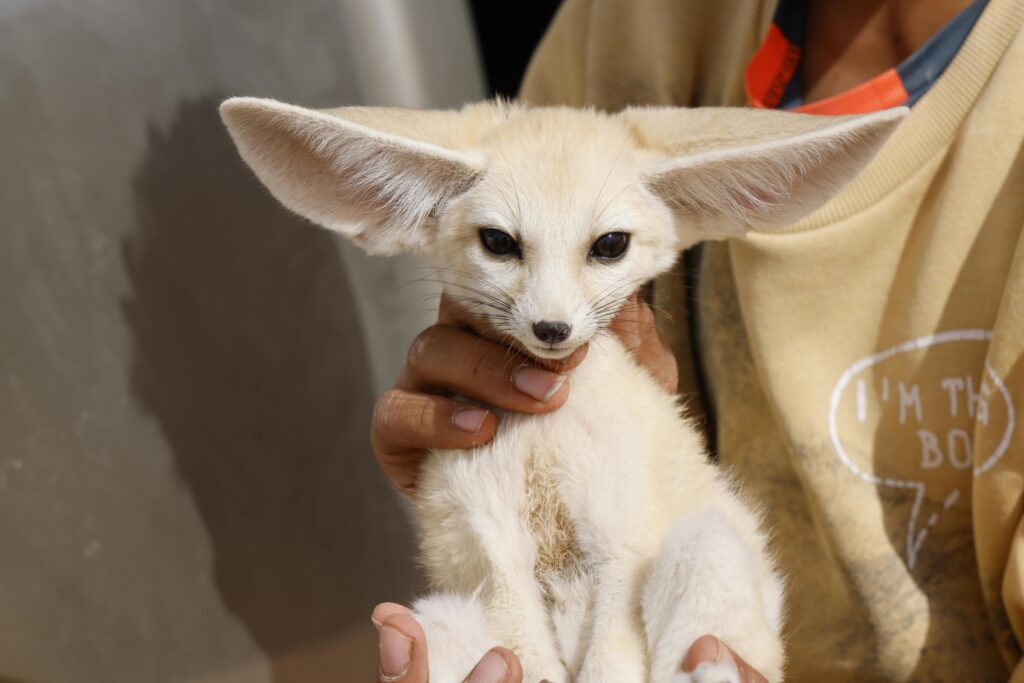
Fennec foxes are legal to own in several countries where they are treated as small companion animals, but they are restricted or illegal in many U.S. states. Even though they are tiny, they are still wild animals with strong instincts, sharp teeth, and a need for specialized care. Many bans focus on public safety, welfare concerns, and the risk of escape. In some areas, fennec foxes are also regulated due to exotic animal import rules. They can be extremely loud at night, which surprises many owners. Their diets also need careful planning, not just standard pet food. Because they bond strongly, rehoming them is difficult once problems start.
2. Capuchin Monkey
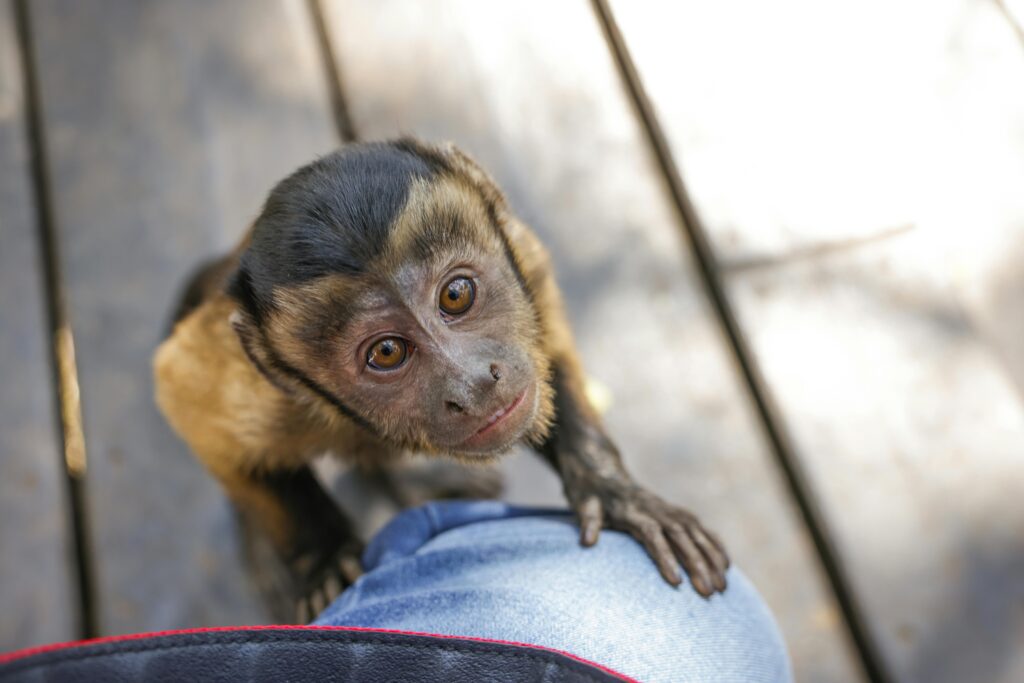
Capuchin monkeys are sometimes kept as pets in parts of Latin America and Asia, but they are illegal in many U.S. states. They may look cute when young, yet they can become aggressive, unpredictable, and extremely difficult to manage as adults. They also require complex social stimulation and specialized diets. Another major reason for restrictions is disease risk, including viruses that can spread to humans. U.S. laws often classify them as dangerous wildlife. Many owners underestimate how intelligent and emotionally demanding they are. In several states, even possession without breeding is illegal.
3. Serval Cat
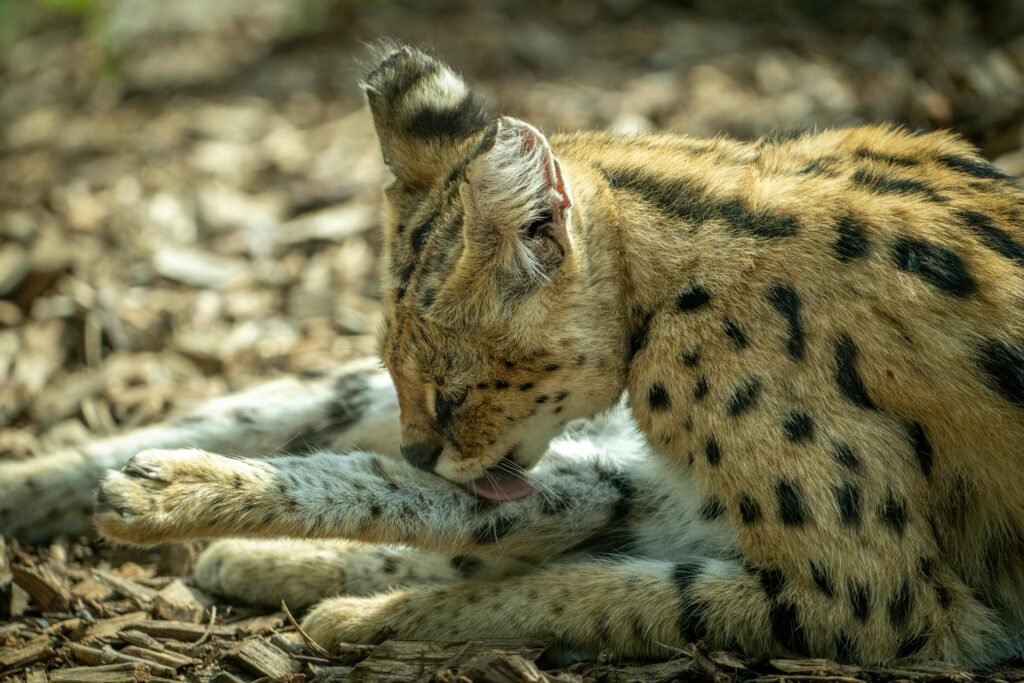
Serval cats are legal in some countries and even kept as status pets in certain regions, but they are illegal or heavily restricted in many U.S. states. Servals are not domestic cats, even if raised around humans. They can jump high, scratch powerfully, and cause serious injury when startled. They also need large spaces and enrichment to avoid stress. U.S. bans often focus on public safety, animal welfare, and risks if the animal escapes. Servals can spray urine frequently, which makes indoor living difficult. They are also expensive to feed because they require a high-protein diet. If they escape, they can harm local wildlife fast.
4. Sugar Glider

Sugar gliders are legal in many countries and are common small pets in places like Japan and Australia, but they are illegal in some U.S. states, such as California and Hawaii. The main reason is environmental protection. If sugar gliders escape, they can become invasive and harm local ecosystems. They are also delicate animals that suffer when kept alone or in small cages. U.S. restrictions often target invasive species risks, not aggression. They are nocturnal, so they can be noisy when most people are trying to sleep. Their diet is also complex and often misunderstood by new owners. Many states allow them, but city rules can still ban them.
5. Hedgehog
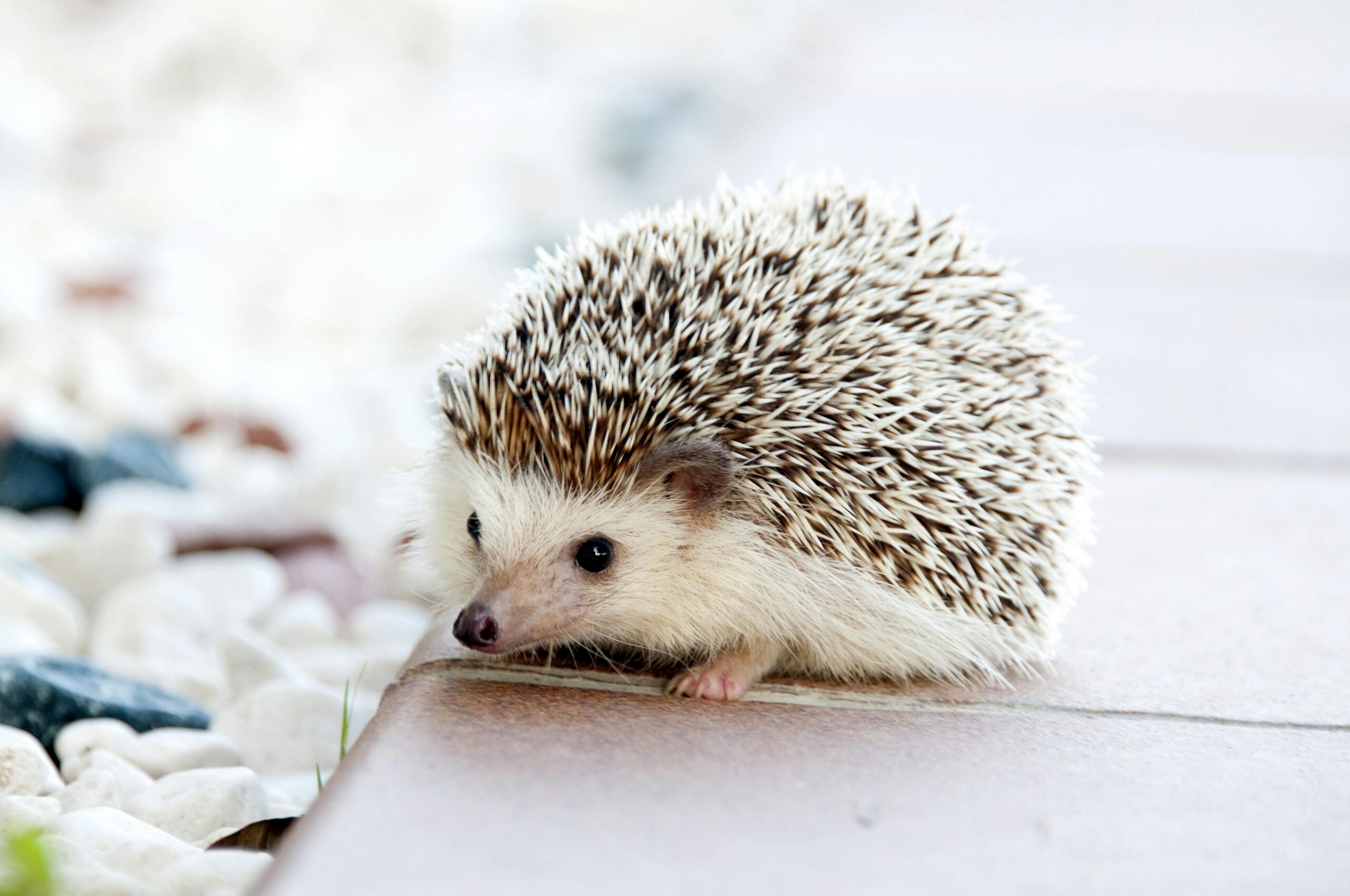
Hedgehogs are legal in several countries and are widely sold as pets in the UK and parts of Europe, yet they are illegal in some U.S. states, including California. The bans are usually based on environmental concerns and agricultural protection, not because hedgehogs are dangerous. If released, they could disrupt native wildlife or spread parasites. Some states also worry aboutSalmonellaa risks, especially for households with young children or immune-compromised adults. Many owners do not realize they need temperature-controlled housing. In some states, permits are possible, but the process is strict.
6. Raccoon
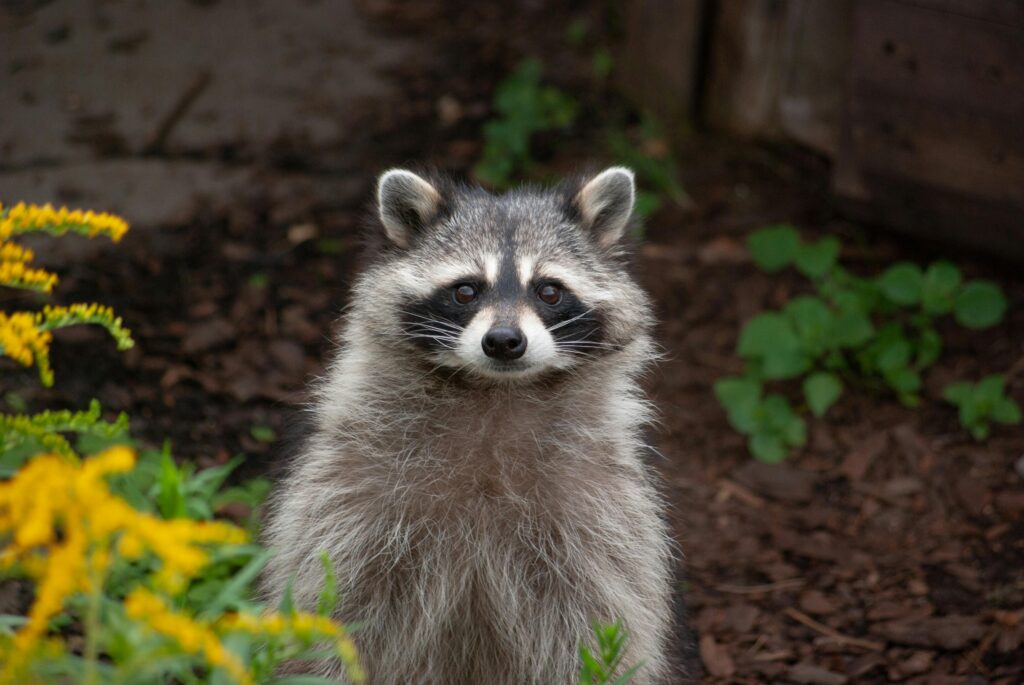
In some countries, raccoons are kept as unusual pets, and in a few regions, they are treated like semi-domesticated animals. In the U.S., raccoons are illegal to own in many states because they are considered rabies vector species. They can also be aggressive, destructive, and difficult to safely handle. Another concern is that raccoons can spread parasites and diseases. U.S. laws prioritize public health and wildlife protection. They are also extremely skilled at escaping enclosures and opening doors. Many states ban private ownership even if the raccoon is captive-bred. Wildlife rehab rules also prevent people from “rescuing” one and keeping it.
7. Kinkajou
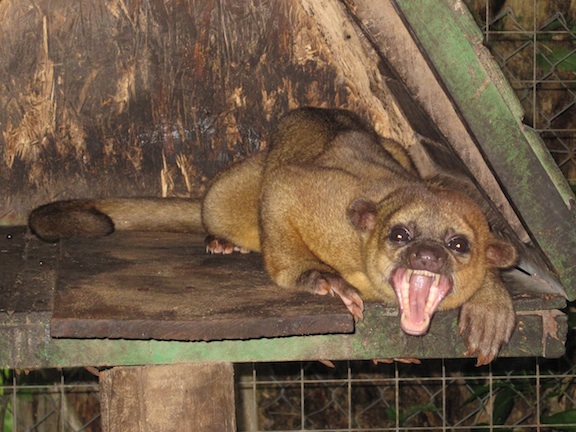
Kinkajous are legal pets in some countries and sometimes owned in parts of South America and the Middle East, but they are illegal or restricted in many U.S. states. They are nocturnal animals with strong jaws, sharp teeth, and a tendency to bite without warning. Many people underestimate their needs, especially their diet and nighttime activity.They are also difficult to rehome once owners struggle. Kinkajous require specialized fruit-heavy diets and can get sick on improper foods. They often become stressed in bright, busy homes. Some states treat them like primates under exotic wildlife laws.
8. Slow Loris
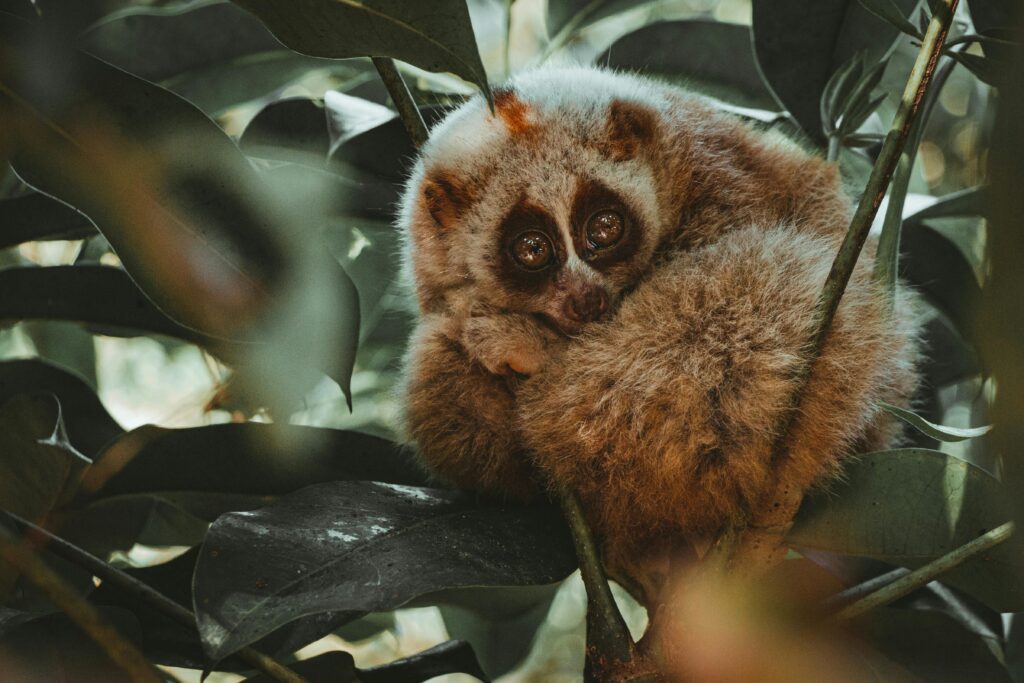
Slow lorises are kept illegally in many places, and in some countries, they have been sold as exotic pets despite conservation issues. In the U.S., they are illegal to ownthem because they are protected wildlife, and they also pose a serious safety risk. Slow lorises have a toxic bite, which can cause severe allergic reactions in humans. U.S. bans are tied to conservation laws, cruelty concerns, and public safety. Many slow lorises sold in the pet trade have their teeth removed, which is extremely cruel. They also require specific nighttime conditions to avoid stress. Even handling them improperly can cause long-term harm.
9. African Giant Snail
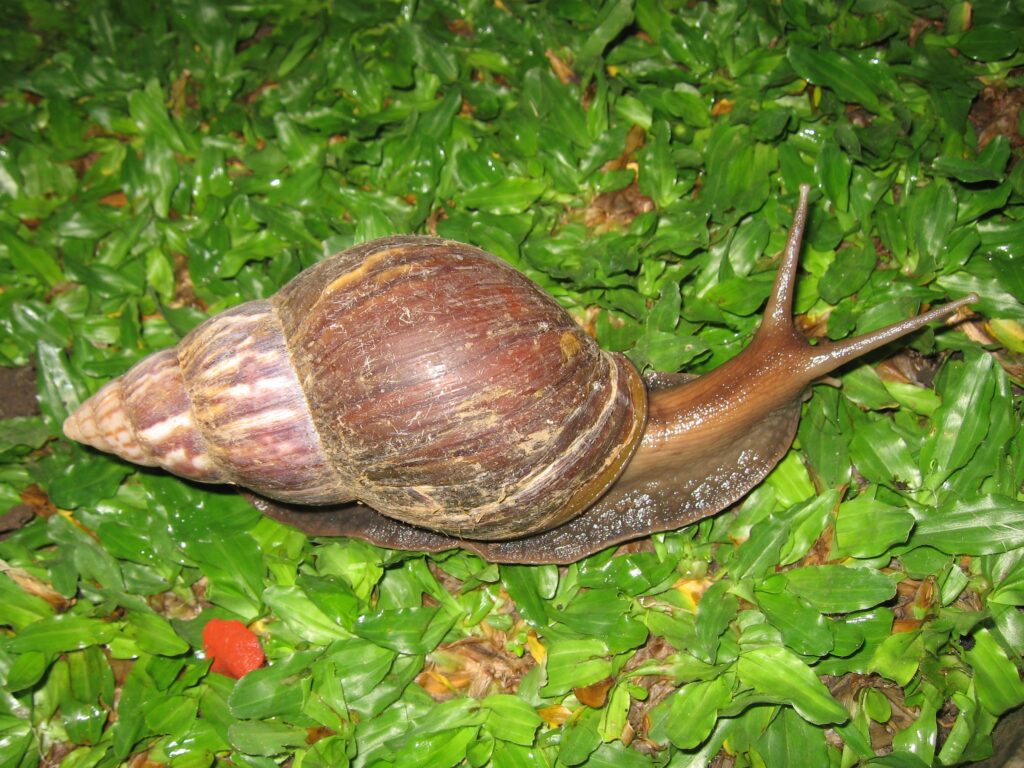
In some countries, giant snails are kept as low-maintenance pets, especially in parts of Europe. In the U.S., African giant snails are illegal because they are one of the most damaging invasive species in the world. They can destroy crops, spread plant diseases, and carry parasites that can affect humans. U.S. restrictions are strict because outbreaks require expensive eradication programs and can impact agriculture quickly. These snails reproduce rapidly and can lay hundreds of eggs at a time. They can also chew through garden plants overnight. Many people assume they are harmless, but the ecological impact is serious.