

Traveling with Pets? 7 Safety Essentials too Important to Forget
Traveling with a pet can be rewarding, but preparation matters. Airports, highways, and unfamiliar accommodations introduce variables that do not exist at home. Safety depends on more than affection or routine. The right tools and habits reduce risk while protecting comfort. From identification to climate awareness, small details make a meaningful difference. Before your next trip, review these seven safety essentials that experienced pet owners consider non-negotiable. Planning allows you to focus on the experience rather than emergencies.
1. Updated Identification Tags and Microchip Registration

Collars with clear identification tags remain one of the simplest yet most important safety tools. Tags should include your name, phone number, and a secondary contact if possible. Microchipping adds a permanent layer of identification, but it only works if registration details are current. Before departure, confirm that your contact information matches your travel schedule. Temporary travel tags can add clarity during longer trips. Clear identification reduces recovery time if separation occurs. Consider including your destination city on the tag. Even small details can speed reunification in unfamiliar areas.
2. Secure Travel Carrier or Crash-Tested Harness
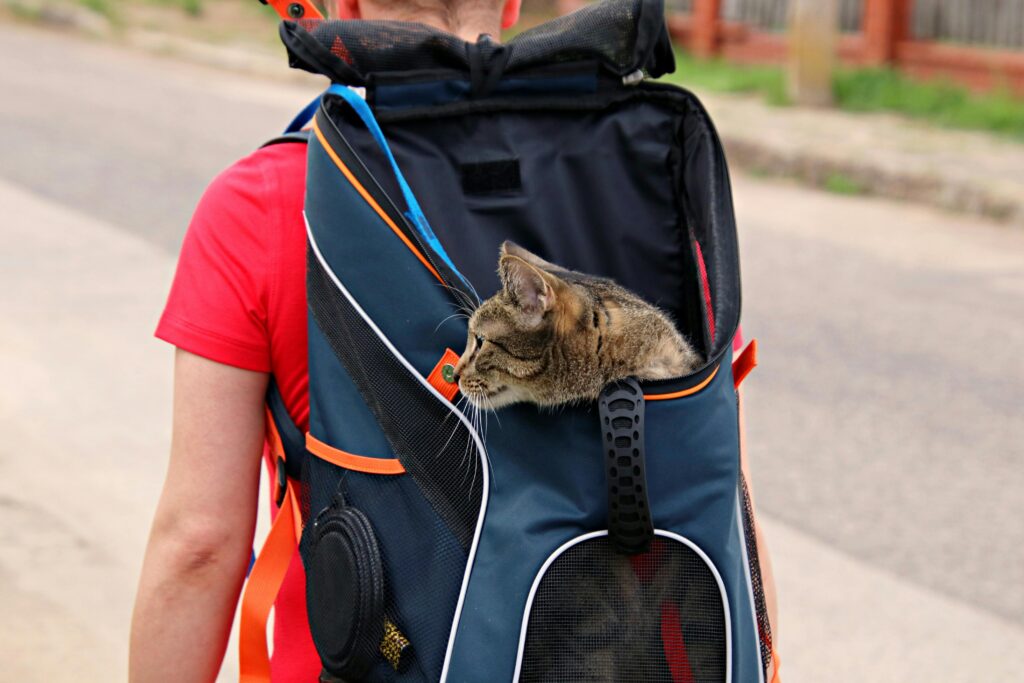
A well-ventilated carrier or crash-tested harness protects pets during sudden stops or turbulence. In vehicles, pets should never roam freely. A secured restraint reduces injury risk and prevents distraction for drivers. For air travel, confirm airline size and ventilation requirements before arrival at the airport. The carrier should allow your pet to stand and turn comfortably. Stability provides reassurance in unfamiliar motion. Proper containment protects both pet and owner. Practice short trips beforehand to help your pet adjust. Familiarity with the carrier lowers anxiety during longer journeys.
3. Portable Water and Collapsible Bowls
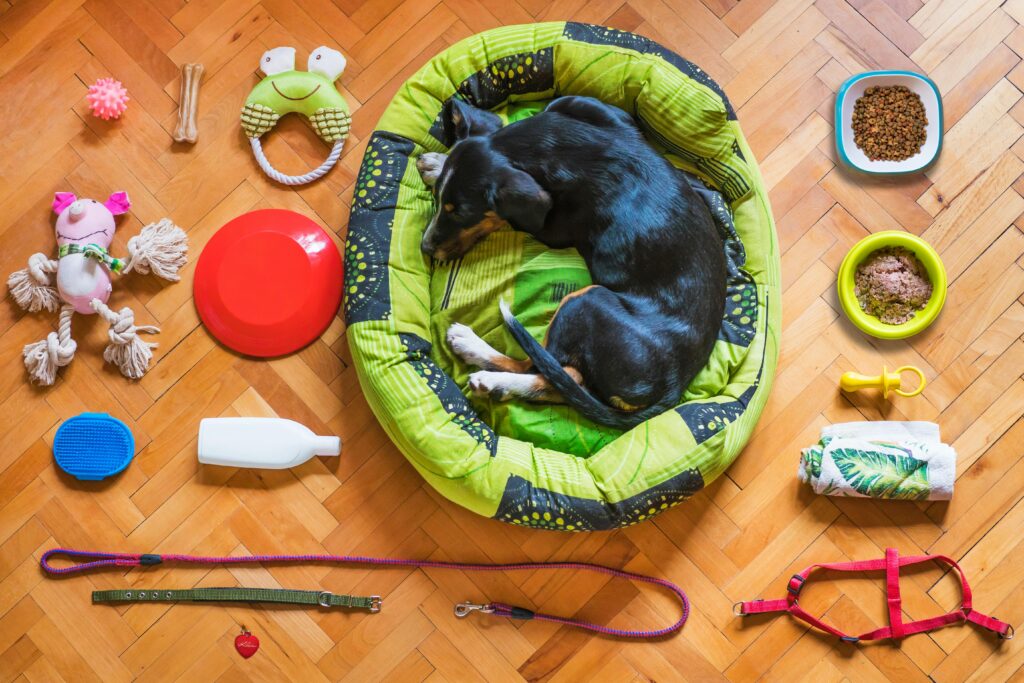
Hydration can be overlooked during long transit days. Portable water bottles designed for pets and collapsible bowls are lightweight and easily available. Frequent small water breaks prevent dehydration, especially in warmer climates. Sudden environmental changes can increase stress, which also affects hydration needs. Offering water at consistent intervals supports comfort and stability. Planning avoids last-minute searches in unfamiliar places. Monitor your pet for signs of overheating. Consistent hydration supports overall resilience during travel. Watch for excessive panting or lethargy during rest stops.
4. Health Records and Vaccination Documentation

Many destinations require proof of vaccination, particularly rabies certification. Even for domestic travel, having digital and printed copies of veterinary records prevents complications. In case of emergency, local veterinarians will need access to medical history. Keep documents organized in a travel folder separate from luggage. Preparation shortens response time during unexpected health concerns. Accurate paperwork supports smoother border and hotel check-ins. Confirm expiration dates before departure. Organized documentation reduces stress at inspection points. Verify entry requirements directly from official government sources.
5. Temperature Awareness and Climate Planning

Cars, airplanes, and outdoor stops expose pets to rapid temperature changes. Never leave a pet unattended in a parked vehicle, even briefly. Research seasonal weather conditions at your destination and plan rest stops accordingly. Certain breeds are more sensitive to heat or cold. Monitoring the climate reduces the risk of respiratory distress or overheating. Thoughtful timing protects well-being during transit. Check pavement temperature before walks. Environmental awareness supports safer daily routines away from home. Travel early in the morning during hot months when possible. Bring cooling mats or insulated blankets if the climate demands it.
6. Familiar Comfort Items

Travel disrupts routine, which can elevate anxiety. Bringing a familiar blanket, toy, or bedding creates a sense of continuity. Familiar scents help pets settle more quickly in new environments. Comfort items require minimal space yet offer meaningful reassurance. Maintaining feeding and walking routines as closely as possible also supports stability. Emotional comfort strengthens physical safety. Calm pets adjust more easily to change. Small comforts often make the biggest difference overnight. Place bedding in the carrier before departure to build familiarity. Consistent routines reduce stress-related behavior.
7. Emergency Contact Plan

Before departure, identify veterinary clinics near your destination. Save their contact information alongside your primary veterinarian’s number. Share your itinerary with a trusted contact at home. In unfamiliar regions, knowing where to seek immediate care reduces stress. Preparation ensures faster decisions if urgent treatment becomes necessary. A clear emergency plan supports confident travel. Keep after-hours numbers accessible. Quick access to support can change the outcome in critical moments. Research 24-hour emergency facilities in advance. Store clinic locations in your navigation app.