Beyond the Walk: 5 Ancient European Pilgrimage Trails That Are Trending for “Secular Salvation”
Across Europe, ancient pilgrimage routes are seeing renewed interest, not only from religious travelers but from those seeking clarity, reset, and reflection. These historic paths once guided spiritual devotion. Today, they offer something quieter yet equally powerful: time, rhythm, and distance from digital noise. The appeal is less about doctrine and more about direction. For many modern walkers, these trails provide structure without pressure and solitude without isolation. Here are five ancient European pilgrimage routes drawing a new generation in search of what some call secular salvation.
1. Camino de Santiago, Spain
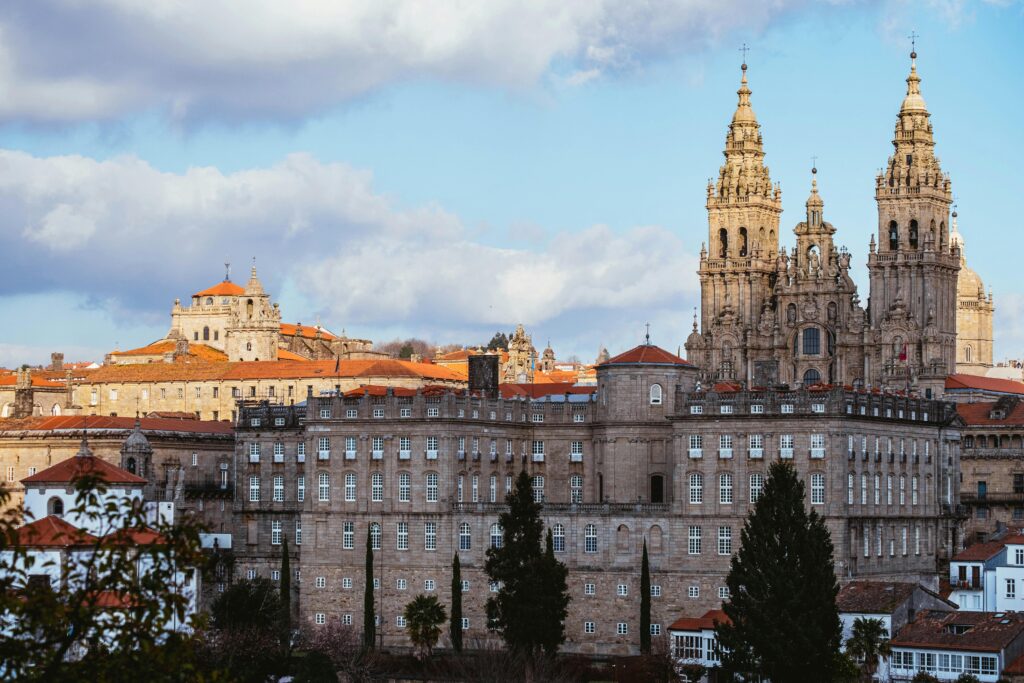
The Camino de Santiago has guided pilgrims across northern Spain for centuries, traditionally ending at the Cathedral of Santiago de Compostela. Today, it attracts walkers of varied backgrounds who value the steady cadence of long-distance movement. The trail is well-marked and supported by a network of hostels, making it accessible for first-time trekkers. Daily repetition of walking and resting creates mental clarity. Conversations with fellow travelers often replace constant phone use. Many describe finishing not with answers, but with a perspective that lingers long after departure. Blisters and shared meals become part of the memory.
2. Via Francigena, Italy to England
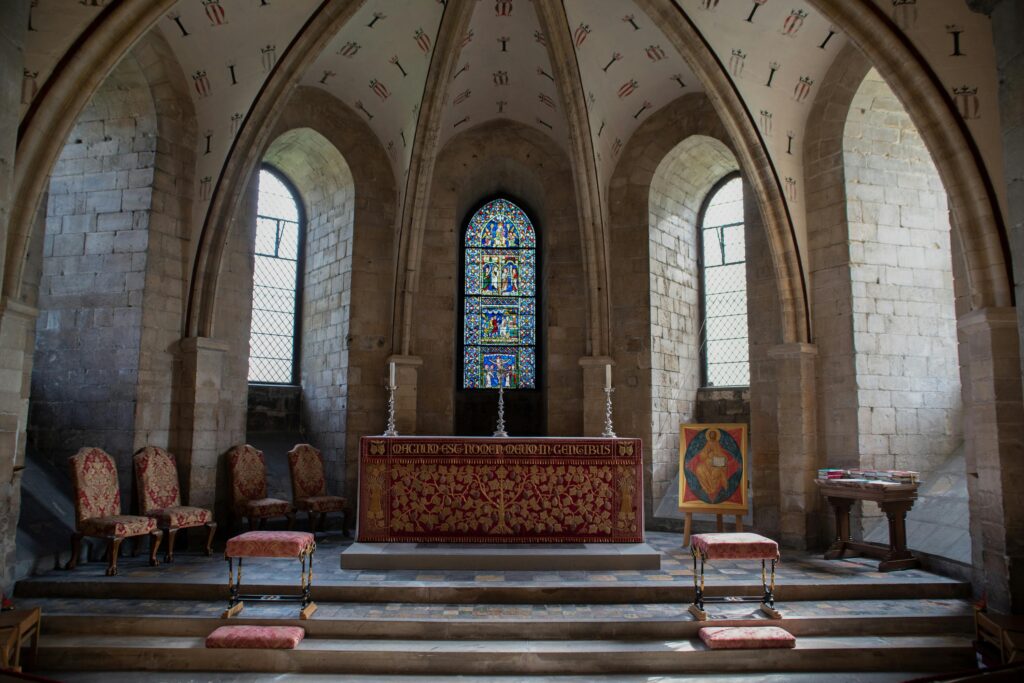
Stretching from Canterbury to Rome, the Via Francigena traces medieval routes once taken by pilgrims heading toward the Vatican. Modern walkers are drawn to its varied landscapes, from Alpine passes to Tuscan countryside. Unlike more crowded routes, parts of the trail remain quieter and less commercialized. This allows longer stretches of introspection between villages. The infrastructure is improving, yet the experience retains authenticity. Walking here feels layered with history. The pace encourages steady reflection rather than performance-driven goals. Small village stops feel personal rather than transactional.
3. St. Olav’s Way, Norway
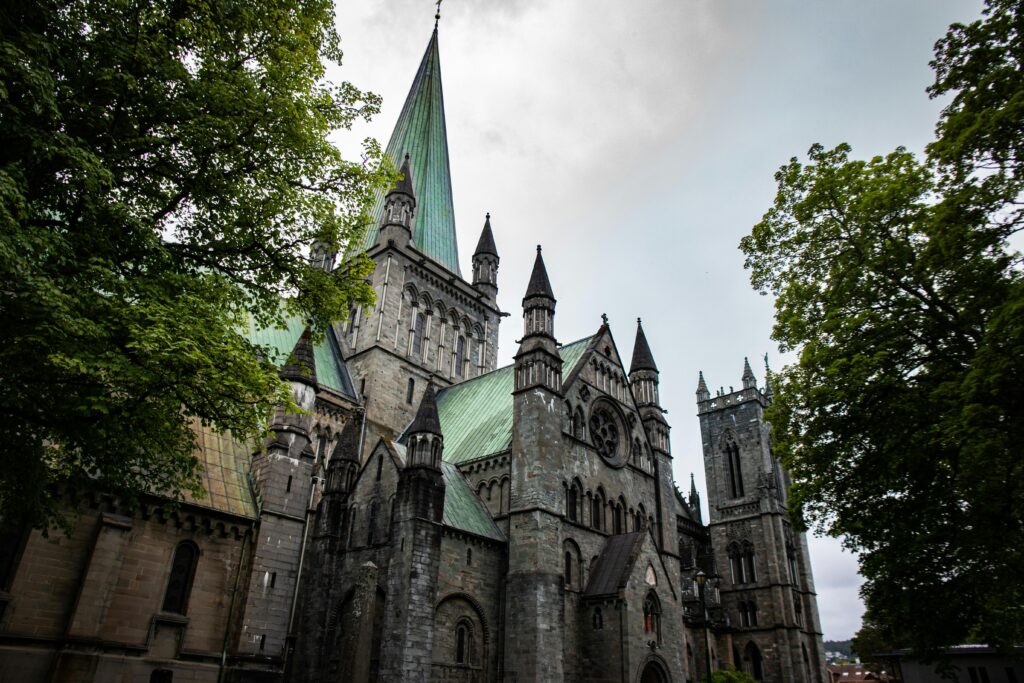
St. Olav’s Way leads to Trondheim Cathedral and follows paths connected to Norway’s medieval past. The route passes through farmland, forests, and fjord landscapes that feel expansive and grounding. The cooler climate and long summer daylight hours create unique walking conditions. Fewer crowds allow for deeper solitude. For many travelers, the physical challenge blends with an emotional reset. The rhythm of movement through wide Nordic scenery encourages internal quiet. The journey feels less about arrival and more about alignment. Silence often feels restorative rather than empty. The vast scenery reshapes personal perspective.
4. Spain’s Lesser-Known Pilgrimage Routes
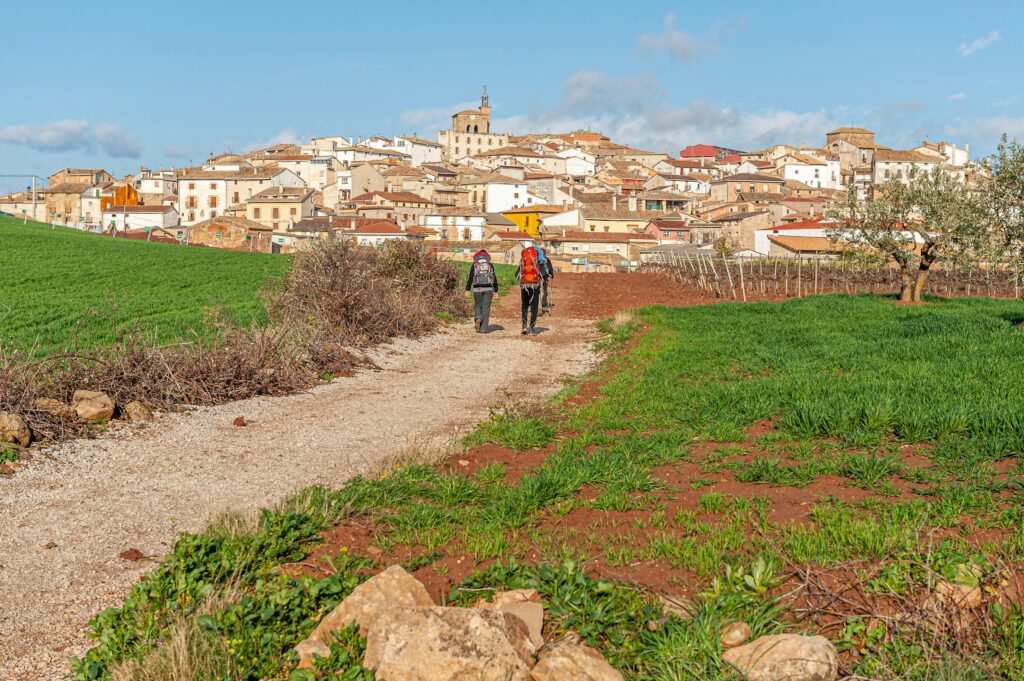
Beyond the major Camino paths, Spain offers quieter regional pilgrimage trails that move through rural villages and mountainous terrain with limited commercialization. The absence of heavy tourism preserves authenticity. Walkers often report a stronger connection to local communities and a slower daily pace. Simplicity defines the experience. Carrying only essentials reinforces focus on the present. The result is not a dramatic transformation, but a gradual recalibration. Moments of stillness often feel unplanned yet meaningful. Familiar routines give way to intentional movement. Local cafés become gathering points rather than quick stops.
5. The Via Podiensis, France
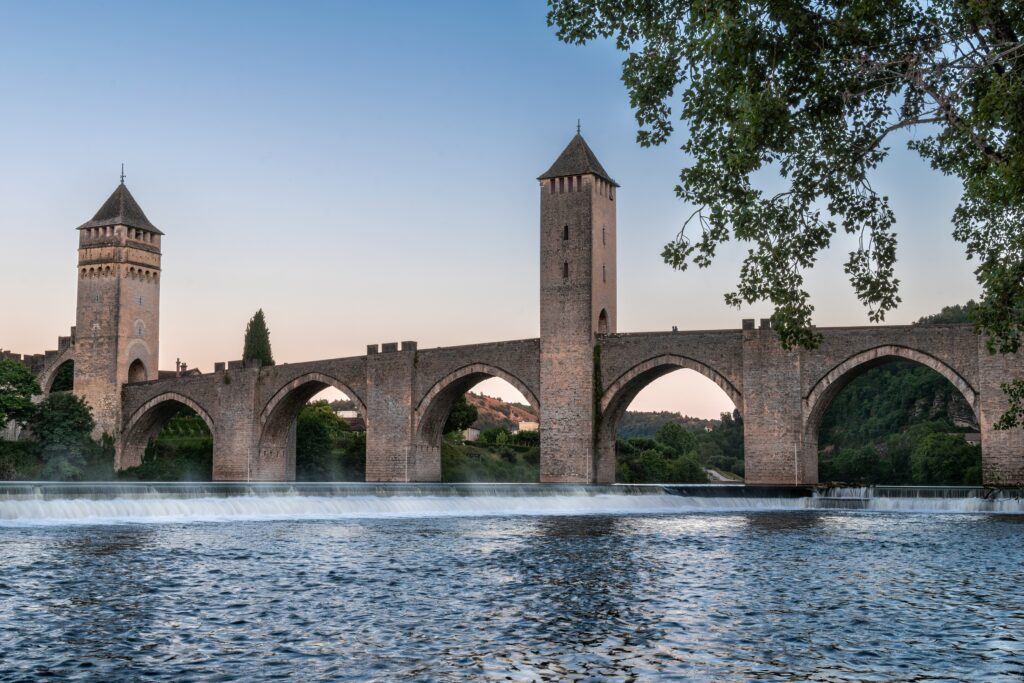
Beginning in Le Puy-en-Velay, the Via Podiensis forms part of the broader Camino network and is considered one of its most scenic segments. Rolling farmland, volcanic plateaus, and Romanesque churches shape the landscape. The route balances structure with openness, offering frequent villages for rest while maintaining extended countryside stretches. Many walkers appreciate its blend of accessibility and immersion. The daily routine becomes meditative. Over time, the physical act of walking supports emotional processing that feels steady rather than overwhelming. Gradual elevation changes mirror internal shifts.