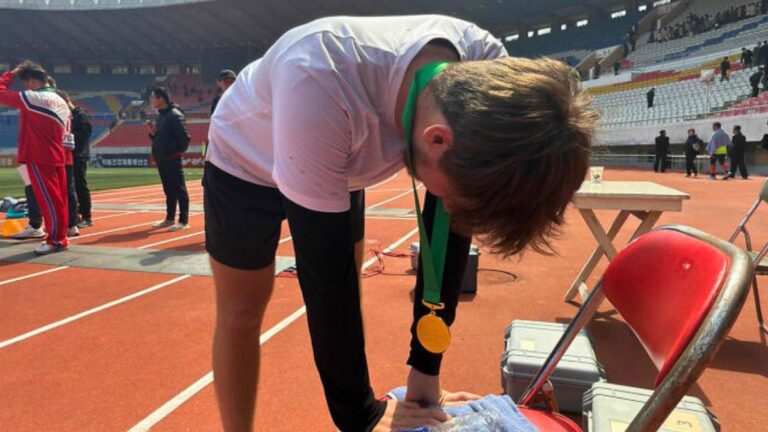

Summit Fever: How to Train for Your First High-Altitude Trek.
High-altitude trekking draws thousands of first-time adventurers each year, inspired by dramatic peaks and the promise of personal breakthrough. Yet thin air changes everything. Elevation affects breathing, endurance, sleep, and recovery in ways that surprise even fit hikers. Training for your first high-altitude trek is not just about strength; it is about preparation, pacing, and understanding how your body adapts. With thoughtful conditioning and smart planning, the climb becomes achievable and deeply rewarding.
Build a Cardiovascular Base First

Before thinking about elevation, build consistent aerobic endurance. High-altitude trekking demands sustained effort over multiple days, often on steep terrain. Brisk walking, hiking with gradual elevation gain, cycling, and stair climbing all help strengthen heart and lung capacity. Aim for steady training sessions several times per week rather than sporadic, intense workouts. Endurance improves gradually, and consistency matters more than speed. A strong cardiovascular base helps your body deliver oxygen more efficiently when the air becomes thinner. This foundation reduces fatigue early in the trek. It also builds confidence before altitude is introduced. Improved endurance supports steadier pacing on long ascents.
Strengthen Your Legs and Core
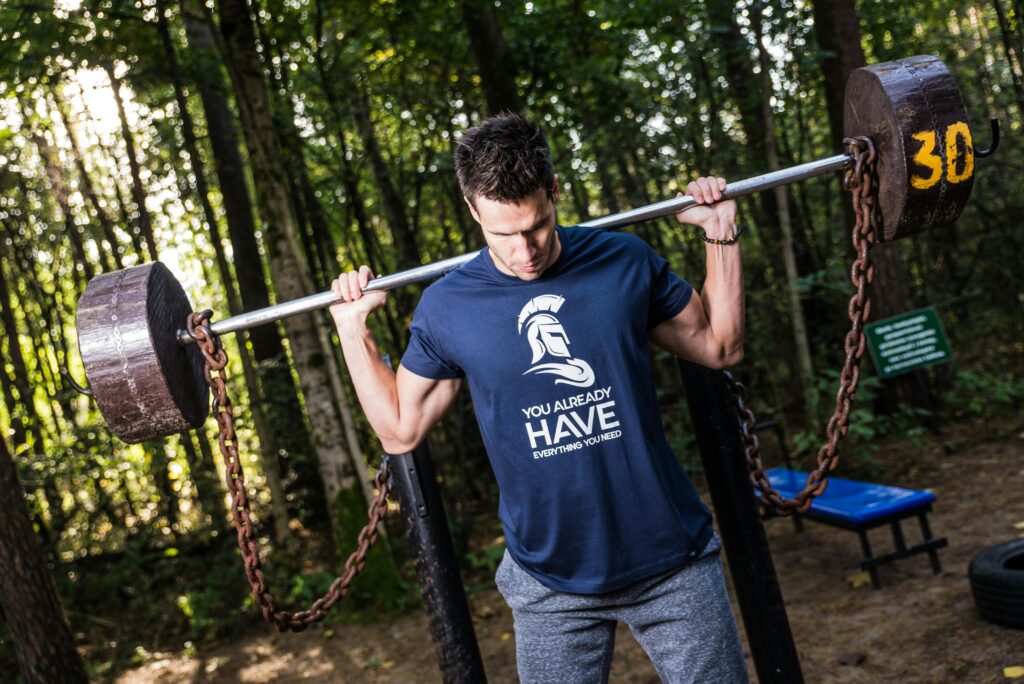
Climbing uphill with a loaded backpack requires muscular endurance, not just stamina. Squats, lunges, step-ups, and deadlifts strengthen the major muscle groups used on ascent and descent. Core training improves balance on uneven terrain and reduces strain on your lower back. Focus on controlled repetitions rather than maximum weight. Functional strength translates directly to trail stability. Conditioning your muscles beforehand minimizes soreness during consecutive trekking days. Strong legs make descents safer and more controlled. A stable core supports posture when fatigue sets in. Strength training also improves joint resilience.
Practice Hiking With Weight
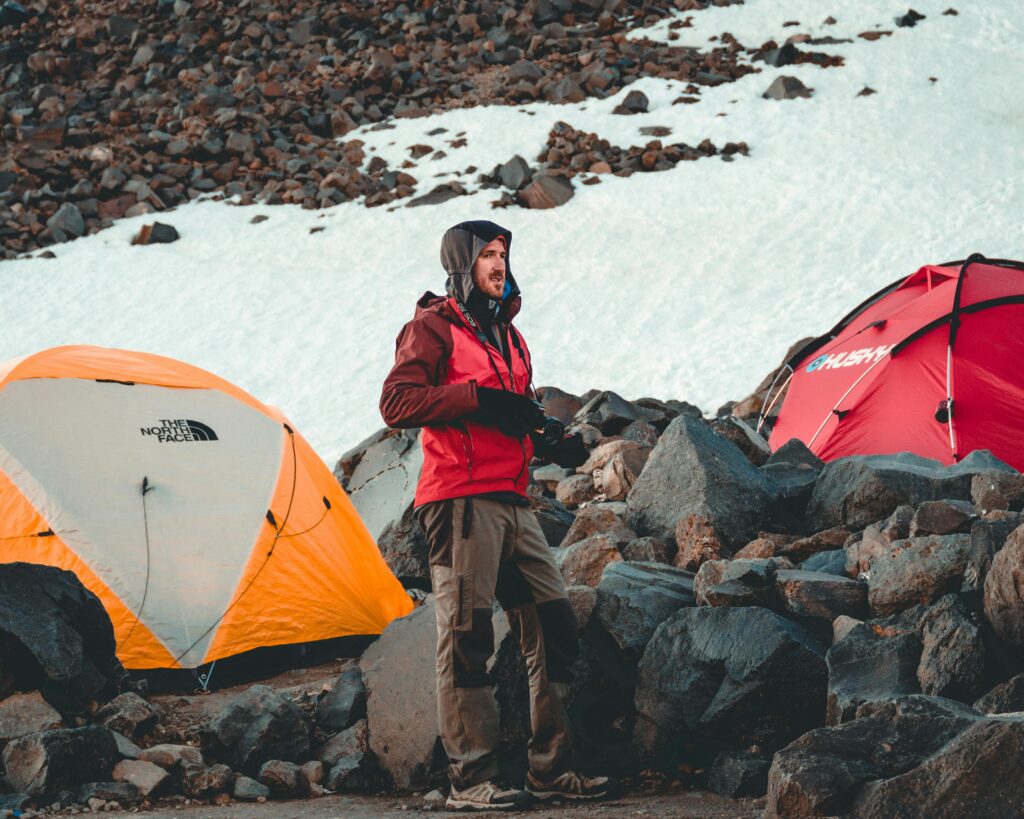
Training in a gym cannot fully replicate trail conditions. Begin hiking locally with a backpack that gradually approaches the weight you plan to carry. This prepares your shoulders, hips, and feet for sustained load. Uneven surfaces help improve ankle stability and coordination. Start with shorter distances and build gradually. Wearing the boots you will use on the trek prevents unexpected discomfort. Practical rehearsal exposes small issues before they become major obstacles. It also refines pacing and rest strategies. Realistic practice builds physical and mental familiarity. Repetition strengthens confidence in your gear choices.
Train at Elevation When Possible
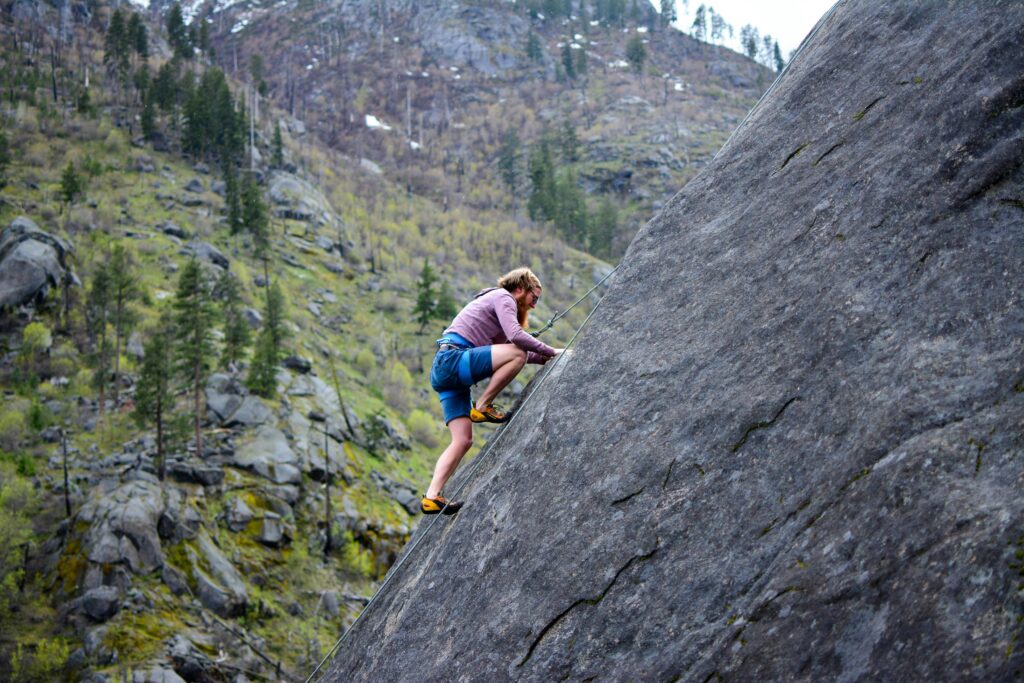
If you live near higher terrain, incorporate occasional hikes at moderate elevation. Even brief exposure helps your body begin adapting to thinner air. If elevation training is not easily available, focus on sustained cardio and controlled breathing exercises. Simulating altitude with structured interval workouts can improve efficiency. While no substitute fully replicates high mountains, incremental exposure builds awareness. Learning how your body responds reduces anxiety during the actual climb. Early exposure encourages realistic expectations. It also teaches you to recognize early signs of altitude stress.
Understand Acclimatization Principles
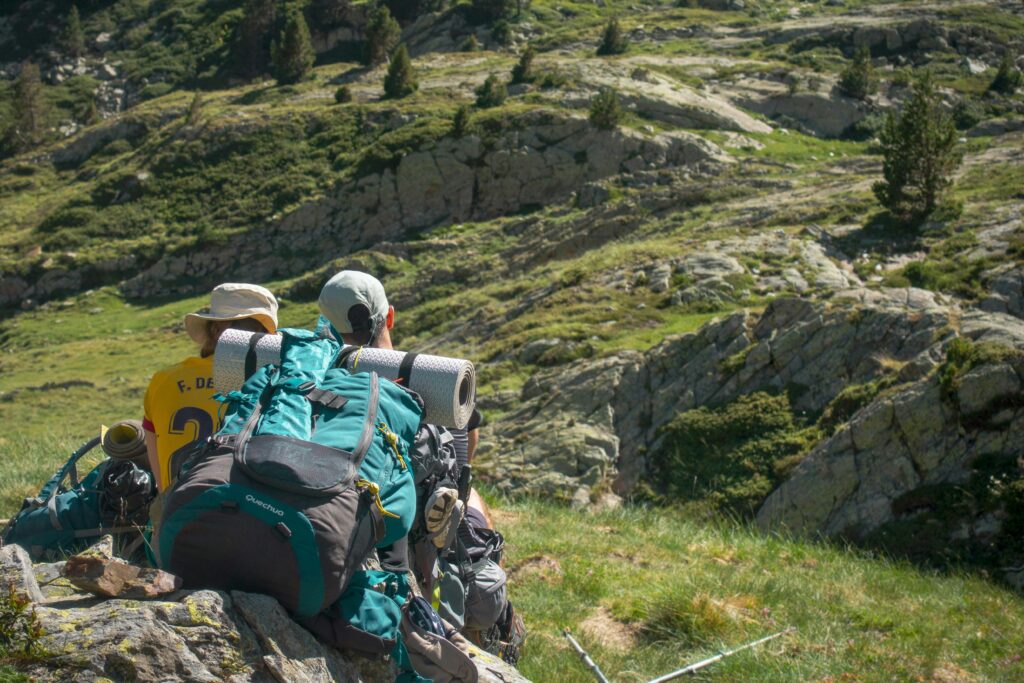
No level of fitness eliminates the need for acclimatization. Plan itineraries that allow gradual elevation gain and built-in rest days. The body requires time to adjust to lower oxygen levels. Climbing too quickly increases the risk of altitude sickness. Hydration, nutrition, and adequate sleep support adaptation. Respecting pacing guidelines is not a sign of weakness; it is essential for safety. Listen closely to your body during the process. Slow progress often leads to stronger summit days. Patience becomes part of the strategy. Gradual ascent protects long-term health. Thoughtful pacing preserves energy for higher elevations.
Prioritize Recovery and Nutrition

Training stresses the body, and recovery determines improvement. Adequate sleep allows muscles and the cardiovascular system to rebuild stronger. Balanced meals with sufficient carbohydrates, protein, and healthy fats support endurance development. Hydration habits formed during training carry into trekking conditions. Stretching and mobility work reduce injury risk. Overtraining before departure can weaken performance at altitude. Treat recovery as an active part of preparation. Consistent fueling supports energy stability. Healthy routines established early translate directly to mountain success. Rest days improve adaptation efficiency.
Prepare Mentally for Variable Conditions

High-altitude treks often include unpredictable weather, long days, and changing terrain. Mental resilience matters as much as physical strength. Practice steady pacing and controlled breathing during challenging workouts. Visualization techniques can reinforce confidence. Accept that discomfort is part of growth rather than a failure. Developing a calm response to fatigue helps maintain focus. Mental preparation reduces stress when conditions shift unexpectedly. A steady mindset supports decision-making. Confidence grows through deliberate rehearsal. Emotional steadiness sustains motivation during difficult moments.
Schedule a Pre-Trek Health Check

Before traveling, consult a healthcare professional, especially if you have underlying medical conditions. Discuss altitude exposure, vaccination requirements, and any medications you may need. Some trekkers consider preventive medication for altitude sickness after a medical consultation. Understanding personal health baselines provides clarity. Professional guidance adds reassurance before departure. Addressing questions early prevents last-minute uncertainty. Preparation strengthens both safety and confidence. A baseline check identifies potential concerns early. Informed travelers approach altitude with greater assurance.