

The Service Animal Shift: New 2026 Regulations Every Handler Needs to Know Before Boarding
Flying with a service dog in 2026 is less about a new law and more about stricter enforcement of the U.S. DOT framework: airlines must treat trained service dogs as disability aids, while emotional support animals are treated as pets.
Carriers can require the DOT Service Animal Air Transportation Form, and they can refuse transport if the dog is out of control, not house-trained, or would block the aisle.
Expect more online pre-clearance, earlier document deadlines, and tighter seat-fit checks, so last-minute gate debates are rarer.
Build your trip around paperwork, behavior, and space, not vibes, and you’ll board smoothly.
What counts as a service animal now?
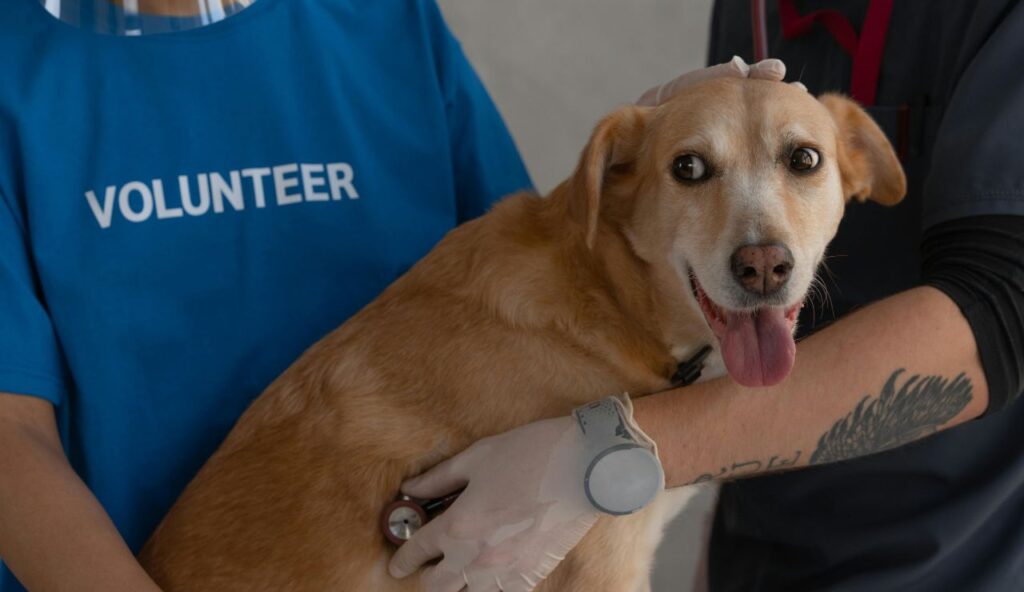
For U.S. flights, the baseline is clear: airlines are required to recognize dogs as service animals, and they can treat other species however their policies allow.
A service dog is trained to perform tasks for a person with a disability; comfort alone isn’t enough.
That distinction matters at check-in because staff are allowed to ask the DOT questions and use the DOT form process.
If your dog is still in training or can’t reliably follow cues in crowds, plan as a pet booking instead of gambling at the counter.
Also, expect airlines to apply weight and size limits: your dog must fit in the seat without spilling into another passenger’s space.
Forms, vaccines, and the 48-hour trap
Most friction in 2026 happens before you leave home.
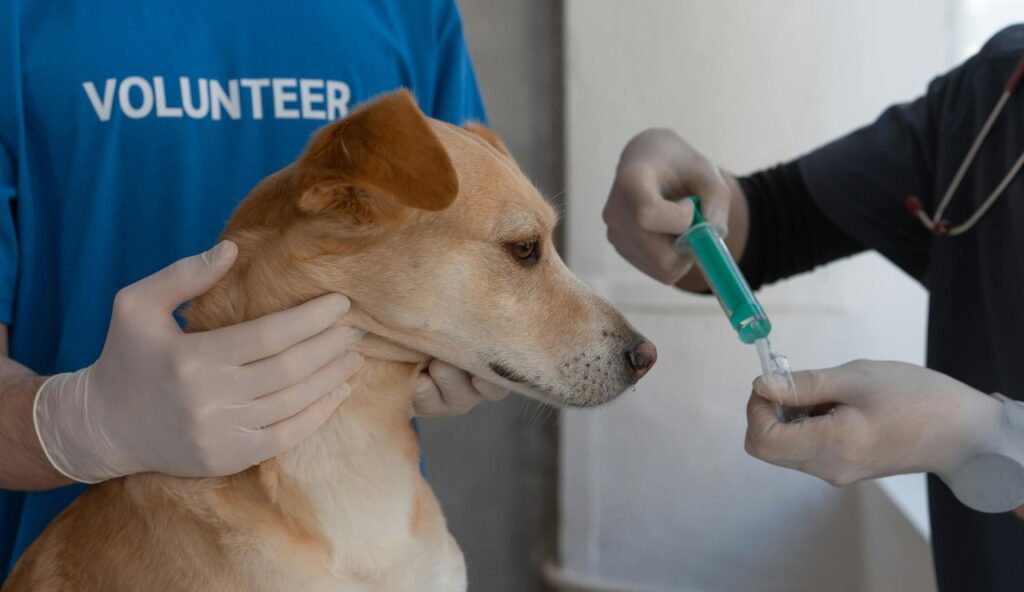
Airlines may require the DOT Service Animal Air Transportation Form, and for longer itineraries, they may request additional attestations related to relief and sanitation.
Many carriers also push handlers to review documents and approve the booking through online portals, with deadlines (often 48 hours).
Bring digital and printed copies anyway, plus routine vet records, rabies proof where relevant, and any country entry paperwork if you connect internationally.
Gate agents can’t fix missing forms in five minutes.
If you change flights, recheck whether the new carrier requires a new submission.
The behavior rules airlines are actually enforcing.
Airlines don’t have to accept “he’s friendly” as a plan.
Under DOT guidance, a service dog must be under the handler’s control and behave appropriately in public; uncontrolled barking, lunging, jumping on people, or repeated accidents can justify denial of boarding.
In 2026, carriers are training staff to document incidents and apply policies consistently, especially on crowded routes.
Practice long down-stays, tight heel work in narrow aisles, and calm responses to food carts and kids before you fly.
If your dog needs a muzzle for safety, introduce it early at home first so it’s not a stressor on travel day.
Seat space, bulkheads, and why upgrades can backfire
Air travel rules focus on whether the dog can fit in the passenger space without blocking the aisle or encroaching on others.
That means the “best” seat is often the one with predictable footwell space, not the fanciest cabin.
Bulkheads can work, but some have fixed armrests or under-seat barriers that reduce usable room.
Upgrading to premium cabins can backfire if policies restrict animals in certain rows, or if the layout forces the dog into a high-traffic path.
Call ahead for seat maps and note the dog’s dimensions.
If the dog can’t fit, airlines may require you to rebook or buy an adjacent seat, depending on policy.
International legs: assistance dog recognition isn’t universal
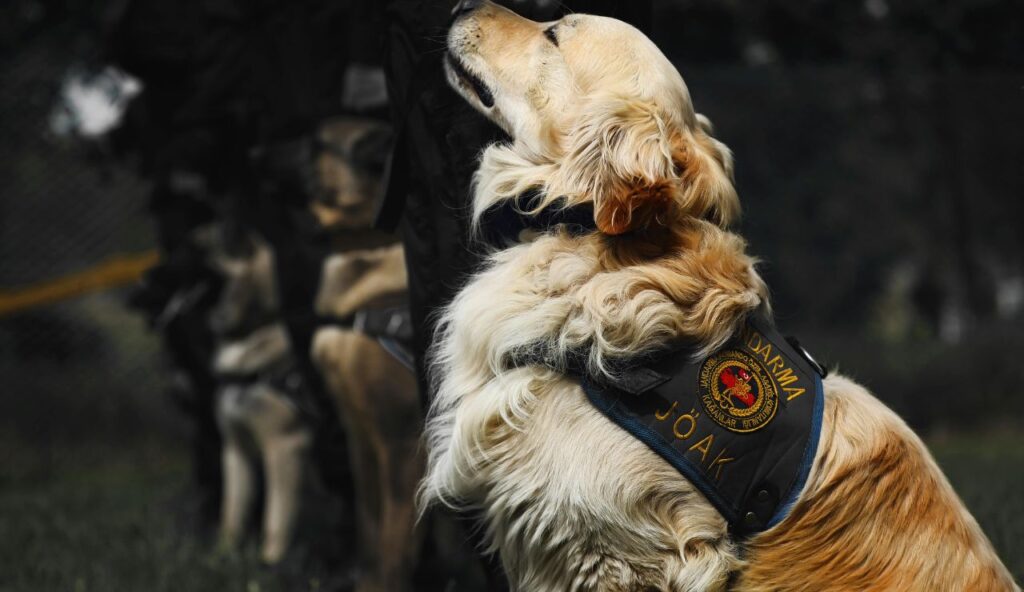
The U.S. “dogs only” service-animal rule applies to flights to, within, and from the United States, but international segments add a second layer: destination entry rules and the operating airline’s policies.
In parts of Europe, assistance dog recognition and documentation can vary by country and carrier, and pet-import rules (microchip, rabies vaccination, health certificates, timing windows) may still apply even when the dog is working.
For 2026 travel, treat every border like a paperwork checkpoint and confirm requirements with the airline and the destination authority.
Build buffer time for inspections and recheck in on connections.
Day-of-boarding routine that prevents drama
On travel day, feed light, hydrate early, and schedule a solid bathroom break close to departure without rushing.
Arrive with extra time for check-in because agents may need to verify forms and observe behavior.
Keep the leash short in queues, carry wipes and a small absorbent pad, and bring a backup tether for hands-free control while handling bags.
During boarding, guide the dog straight to the footwell, settle into a down, and avoid aisle greetings.
A calm, boring dog is the fastest path onto the plane.
If the flight is long, plan your relief strategy around airport pet areas and your dog’s proven hold time.