The Best All-Female Expeditions: Why Women-Only Travel is Skyrocketing
In 2026, women-only travel is expanding beyond spa retreats and city weekends. From mountaineering in the Andes to desert treks and sailing expeditions, all-female groups are reshaping the adventure landscape. Travelers cite safety, shared understanding, and stronger group dynamics as key reasons for choosing women-led journeys. What began as a niche option has grown into a powerful movement centered on confidence, connection, and collective exploration.
Shared Experience Builds Immediate Trust

One of the strongest appeals of women-only expeditions is the sense of ease that forms quickly within the group. Participants often describe conversations flowing more naturally and decision-making feeling more collaborative. Shared experiences, from navigating unfamiliar cities to tackling demanding trails, create bonds that develop faster than in mixed groups. This dynamic can reduce hesitation and encourage open communication. For many travelers, the comfort of a shared perspective makes the adventure feel more grounded and supportive. Confidence builds through collective problem-solving. Trust often strengthens with each shared milestone.
Safety Perception Influences Destination Choice
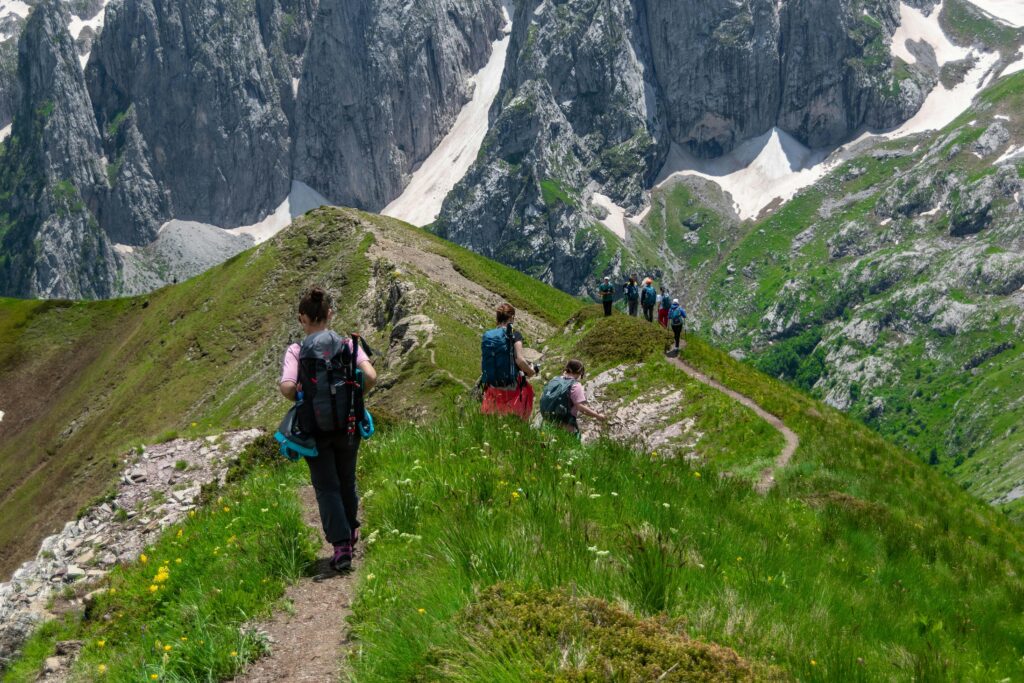
Safety remains a key factor in travel planning. Women-only expeditions often include detailed briefings, vetted accommodations, and guides trained to address gender-specific concerns. While no travel experience is risk-free, structured planning can reduce uncertainty. Many participants report feeling more confident exploring remote environments within a group designed around their needs. The ability to focus on the landscape rather than personal security concerns changes how destinations are experienced. Clear protocols provide reassurance. Preparation allows attention to shift toward discovery.
Leadership Opportunities Expand
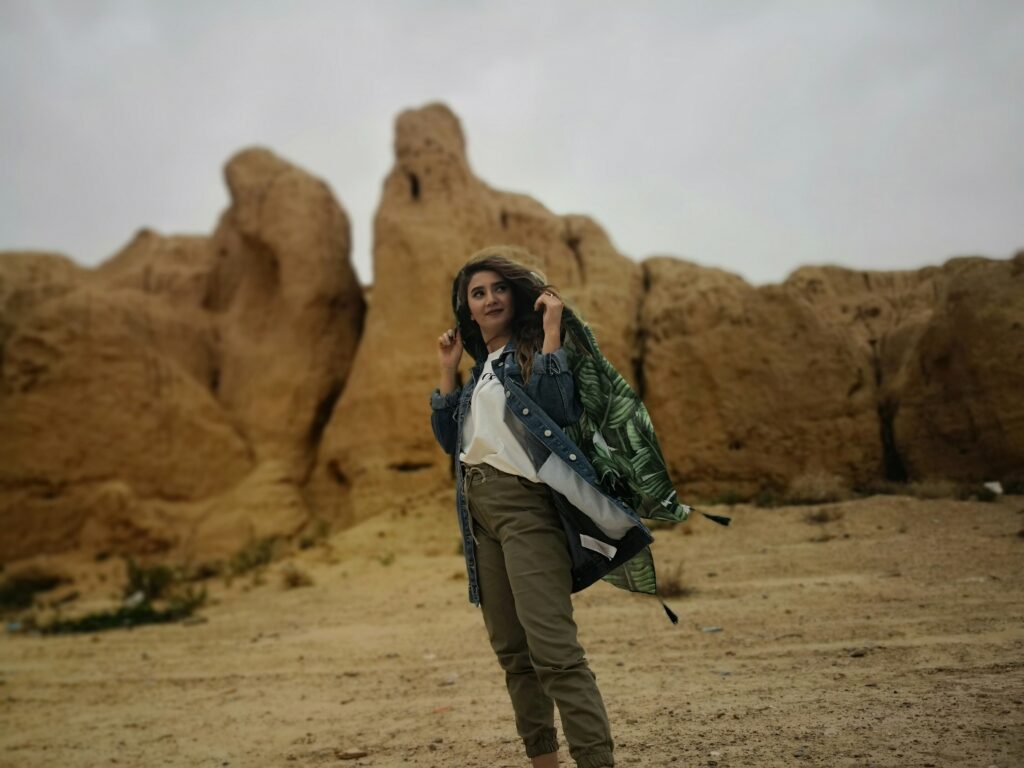
Women-only travel frequently features female guides, instructors, and expedition leaders. This representation can shift group dynamics in meaningful ways. Participants may feel more encouraged to step into leadership roles themselves, whether navigating routes, managing logistics, or supporting teammates. Exposure to women in positions of authority within adventure travel challenges traditional industry norms. The result is often a stronger sense of capability and empowerment. Seeing relatable role models reshapes expectations. Leadership becomes shared rather than hierarchical. Participants often discover strengths they had not previously tested.
Skill Development Feels More Accessible
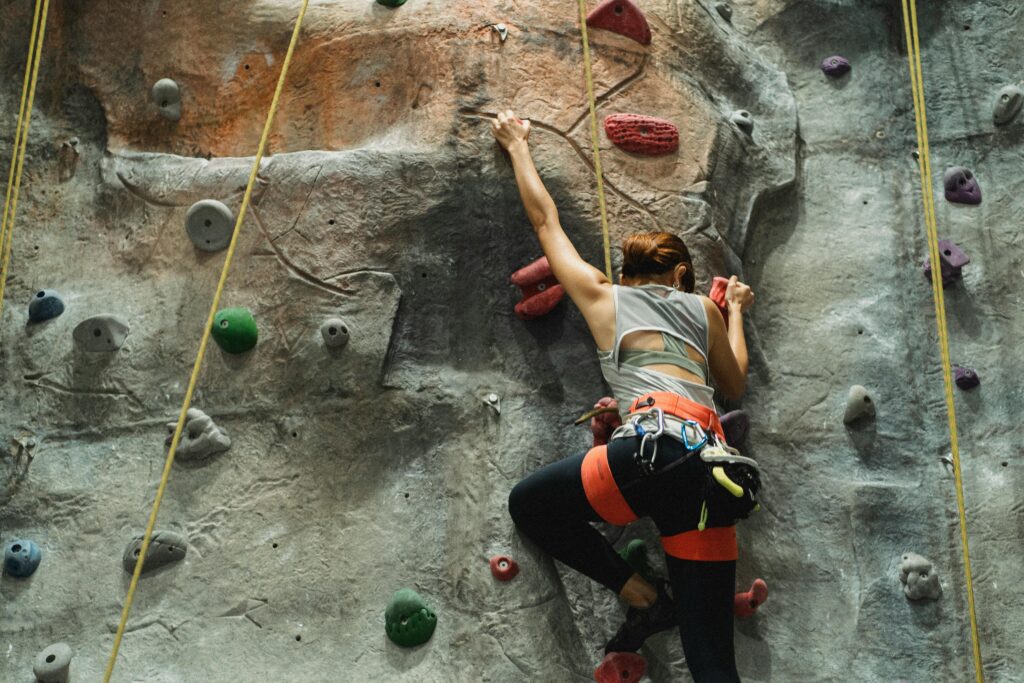
From rock climbing to backcountry navigation, skill-based learning can feel less intimidating in women-only settings. Participants often report feeling more comfortable asking questions or attempting new techniques. The atmosphere tends to prioritize mutual encouragement over competition. This environment supports steady progress and confidence-building. As more travelers seek experiential growth rather than passive sightseeing, skill-focused expeditions continue to gain traction. Small achievements accumulate quickly. Personal milestones feel meaningful and earned. Constructive feedback feels collaborative rather than critical.
Cultural Immersion Takes a Different Shape
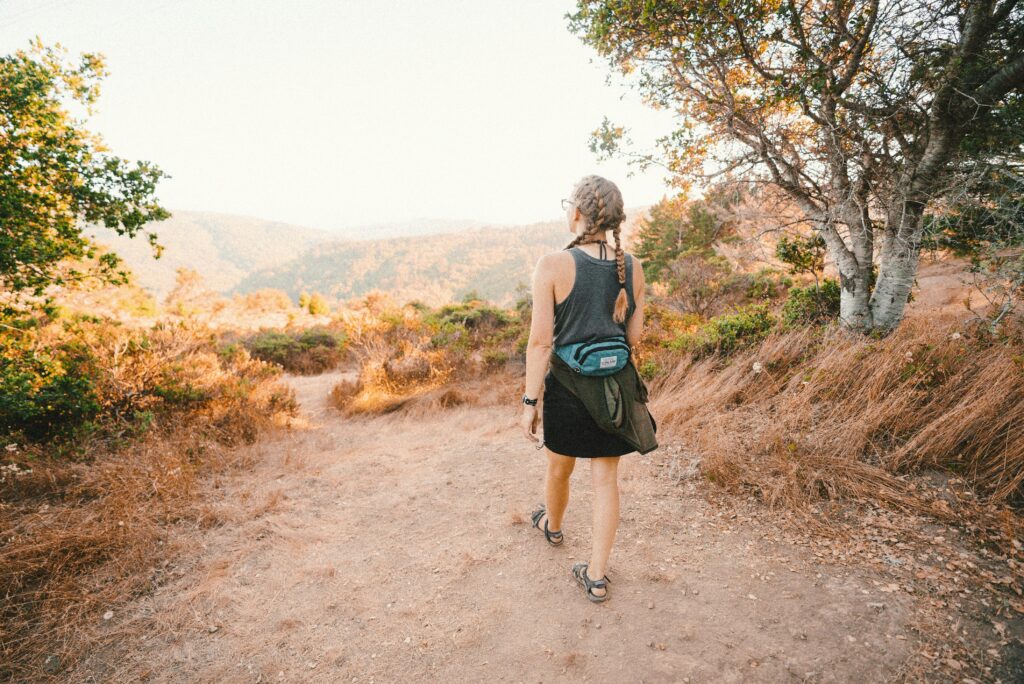
Women-only travel can also open doors to experiences not easily available in mixed groups. In certain regions, cultural norms allow deeper engagement between local women and female travelers. Cooking classes, artisan workshops, and community visits may feel more personal. These interactions can foster meaningful cross-cultural dialogue. Travelers often describe these moments as highlights of the journey, adding depth beyond scenery. Conversations often extend beyond formal activities. Mutual understanding grows through shared stories. Exchanges feel more candid and authentic. Connections formed can transcend language barriers.
Community Extends Beyond the Trip
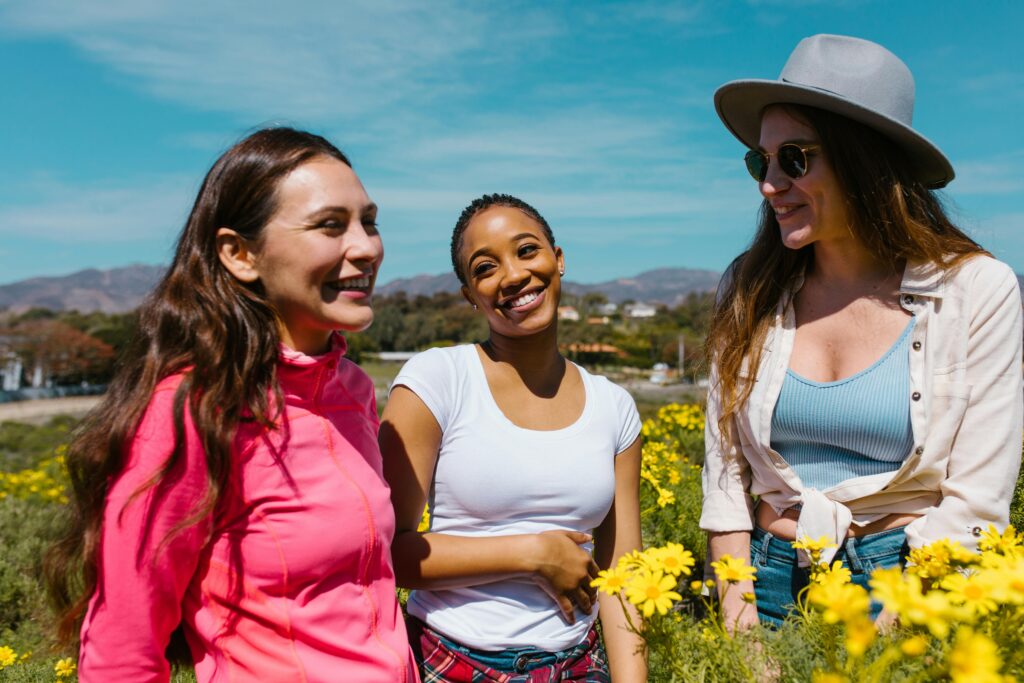
Many all-female expeditions cultivate lasting networks. Participants stay connected through online groups, reunion hikes, and future travel planning. Shared challenges, from altitude adjustments to long trekking days, create a foundation for continued friendship. The trip becomes a starting point rather than a standalone event. In an era where digital interactions can feel fleeting, in-person shared adventure builds durable connections. Support often continues long after return flights. The sense of belonging strengthens over time. Alumni communities frequently plan future expeditions together. The shared journey becomes part of personal identity.
Solo Travelers Find Built-In Support
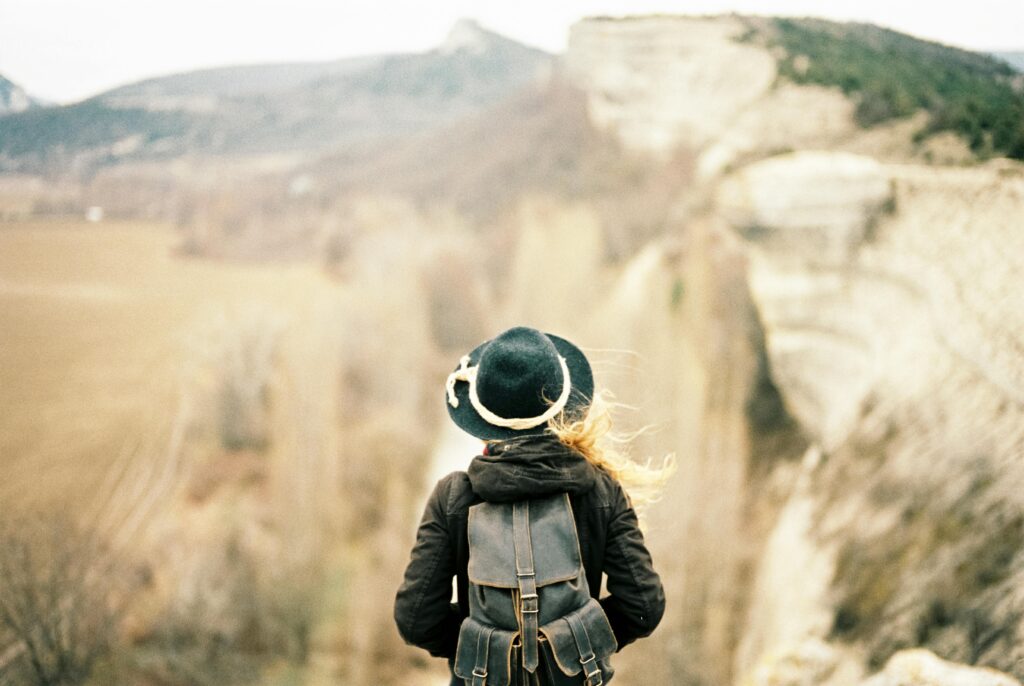
Women who prefer independent travel sometimes choose all-female expeditions for structure without sacrificing autonomy. Joining a curated group allows individuals to explore new regions without navigating logistics alone. The balance between independence and support appeals to many first-time adventure travelers. Participants can pursue personal goals while benefiting from collective knowledge and encouragement. Shared planning reduces decision fatigue. Independence feels supported rather than isolated. Group cohesion often enhances personal confidence. Solo travelers gain experience without feeling alone.
Demand Reflects Broader Social Shifts
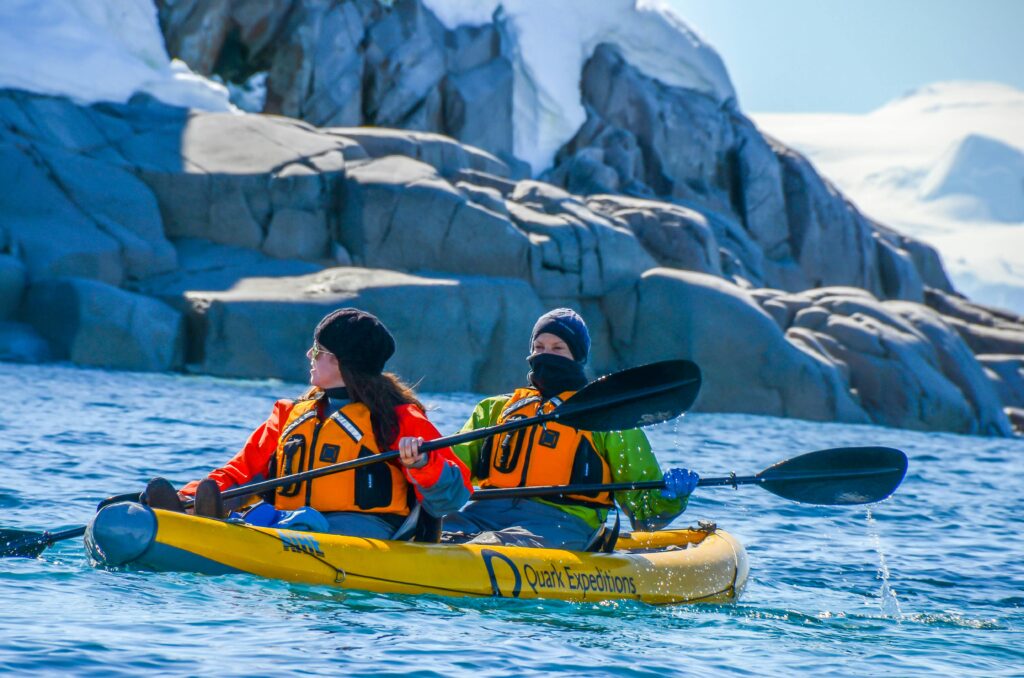
The growth of women-only expeditions reflects broader conversations about representation, safety, and empowerment in travel. As more women prioritize intentional experiences, the market continues to expand. Tour operators respond with specialized itineraries ranging from alpine climbing to marine conservation trips. What was once considered a niche offering now represents a significant segment of the adventure travel industry. Demand signals changing expectations. The trend aligns with wider cultural shifts toward inclusion. Investment in women-led travel brands continues to rise. Industry recognition further validates the movement.