Avoid the Fine: A Step-by-Step Guide to Legally Crossing Borders with Your Pet
International travel with a pet involves more than booking a flight and packing a carrier. Every country sets its own import rules, health requirements, and inspection procedures. Missing a single document can result in fines, denied entry, or quarantine. With early planning and careful attention to detail, however, crossing borders with your pet can be smooth and compliant. This guide outlines the essential steps to help you prepare responsibly and avoid costly mistakes.
Step 1: Research Destination-Specific Import Rules

Start by reviewing the official government website of your destination country. Pet import laws vary widely, even between neighboring nations. Some require advance permits, others mandate specific vaccinations or blood tests. Check agricultural or animal health authorities directly. Regulations can change due to disease outbreaks or policy updates. Early research gives you time to complete waiting periods and secure approvals without rushing critical documentation. Reviewing embassy guidance can clarify unique entry nuances. Creating a checklist early helps you track each requirement confidently.
Step 2: Confirm Microchip Compliance
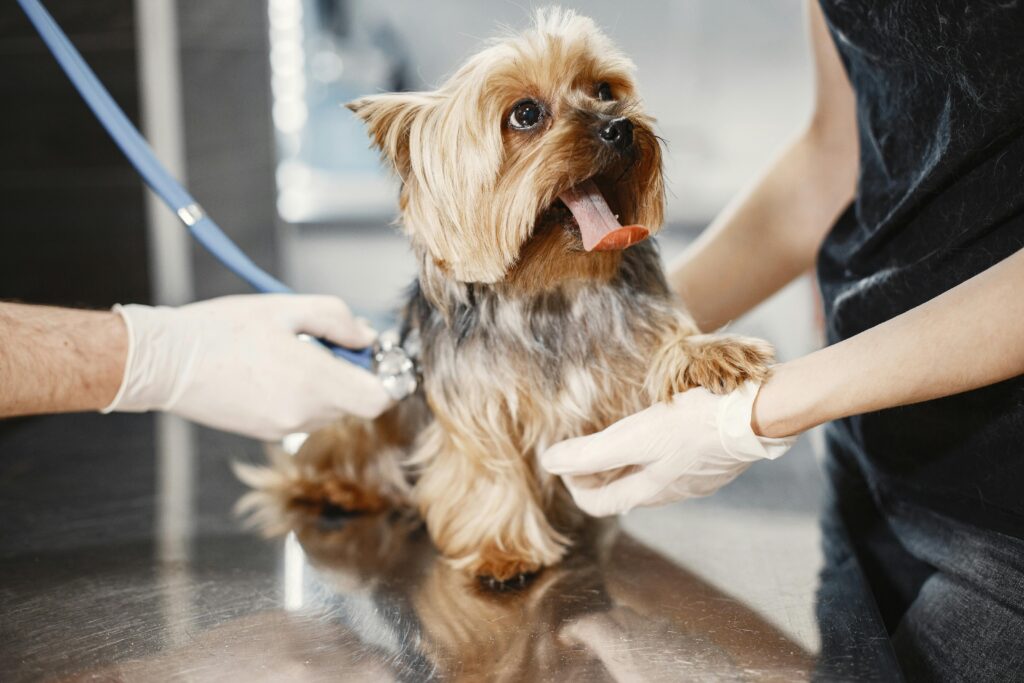
Many countries require pets to be microchipped with an ISO-compliant chip before rabies vaccination. If your pet already has a chip, verify that it meets international standards. The microchip number must appear consistently across all documents, including health certificates and vaccination records. Border officials frequently scan pets upon arrival. Even minor discrepancies can delay entry. Scheduling a pre-travel verification appointment with your veterinarian helps ensure technical accuracy. Ask your vet to rescan the chip before departure. Keep a written copy of the microchip number in your travel folder.
Step 3: Update Vaccinations Within Required Timelines
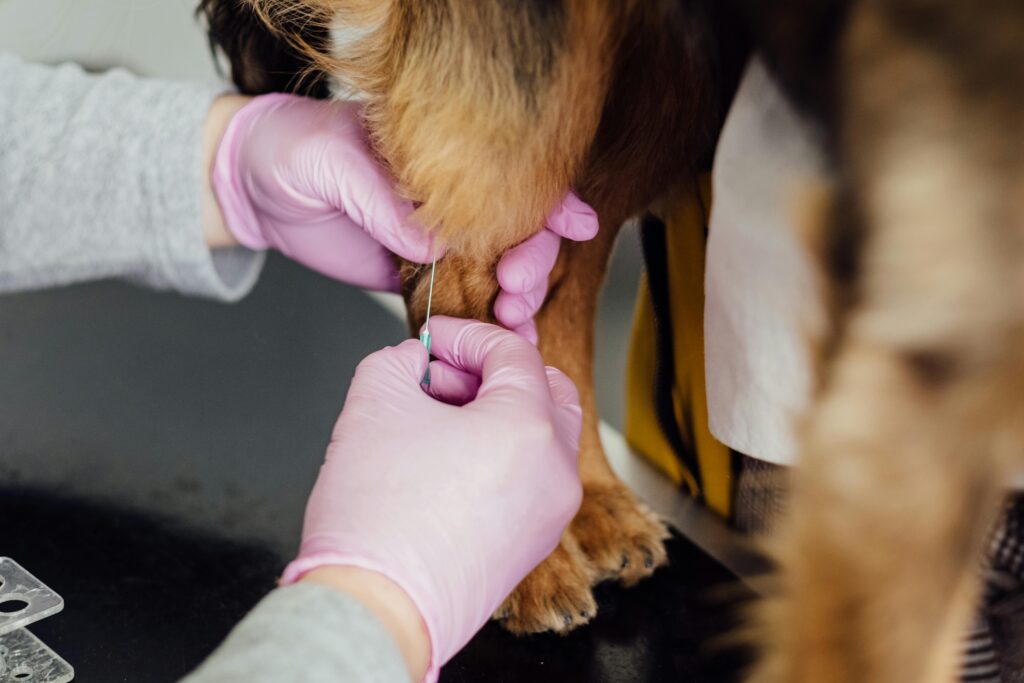
Rabies vaccination rules differ by destination. Some countries require vaccination after microchipping, while others mandate a waiting period before travel. Additional vaccines may be recommended based on region-specific disease risks. Confirm that vaccination dates fall within the required window for entry. If a rabies titer test is necessary, allow sufficient time for laboratory processing and official certification. Keeping detailed records simplifies document review at inspection points. Clarify booster requirements in advance. Early scheduling prevents last-minute rescheduling stress.
Step 4: Obtain an Official Health Certificate

Most international destinations require a veterinary health certificate issued shortly before departure. In the United States, certain countries require endorsement by the USDA after a licensed veterinarian completes the form. The certificate must match the destination’s required template. Timing matters, as many documents are valid only for a limited number of days. Double-check that all identification numbers and vaccine details are correct before submission. Confirm validity dates carefully. Request copies in both printed and digital form for backup. Verify whether ink signatures or official stamps are specifically required.
Step 5: Secure Import Permits if Required

Vladimir Sokolov/unsplash
Some countries require an approved import permit before travel. This document is separate from the health certificate and must often be obtained weeks in advance. Applications may require copies of vaccination records, microchip numbers, and owner identification. Processing times vary, so early submission reduces stress. Carry printed copies of permit approvals when traveling. Digital confirmation alone may not satisfy border officials. Verify whether pre-arrival notification is also mandatory. Keep confirmation emails organized in a dedicated folder. Check expiration dates to ensure the permit remains valid on arrival.
Step 6: Confirm Airline Transport Policies

Airlines maintain their own pet transport policies regarding crate dimensions, breed restrictions, and seasonal temperature limits. Confirm whether your pet qualifies for cabin or cargo travel. Review carrier requirements carefully and measure your pet’s crate in advance. Airline approval does not replace government import compliance, but both must align. Clear communication with the airline prevents check-in delays on departure day. Confirm arrival procedures as well. Arriving early allows time to address unexpected issues. Reconfirm policies a few days before departure in case rules have changed.
Step 7: Prepare for Arrival Inspection
Upon arrival, pets may undergo document review and physical inspection. Keep all paperwork organized and easily accessible. Border officials may verify microchip numbers, vaccination dates, and permit details. Remain calm and cooperative during the process. Preparation minimizes inspection time and reduces the likelihood of additional questioning. Organized documentation demonstrates responsible compliance. Expect possible waiting periods at inspection counters. Patience and preparation help the process move smoothly. Having documents arranged in chronological order can speed review.
Step 8: Plan for Contingencies
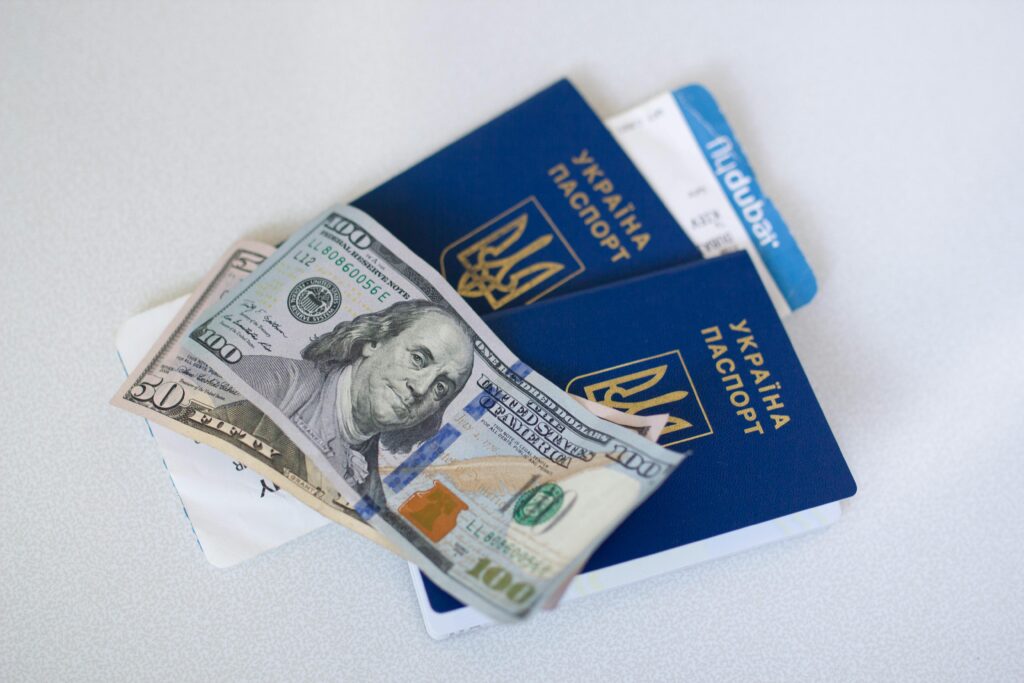
Even with thorough preparation, travel disruptions can occur. Flight delays may affect document validity windows. Quarantine requirements may apply based on origin or incomplete paperwork. Budgeting for unexpected expenses, including possible boarding, provides financial flexibility. Keep contact information for your veterinarian and destination authorities readily available. Responsible planning ensures you can respond quickly if circumstances change. Build extra time into your schedule when possible. Flexibility reduces stress if adjustments are required. Travel insurance that includes pet coverage can offer additional reassurance.