

The Hidden Paperwork: Why Your “Service Animal” Might Still Face Quarantine Abroad
For many U.S. travelers, the term service animal signals access and accommodation. Airlines recognize trained service dogs, and domestic travel rules are generally clear. International travel, however, operates under different legal systems. Even a fully trained service animal with proper documentation may face quarantine, import permits, or health restrictions abroad. Understanding the paperwork behind the label is essential before booking a global trip.
Service Animal Status Does Not Override Import Laws
Claudio Schwarz/unsplash
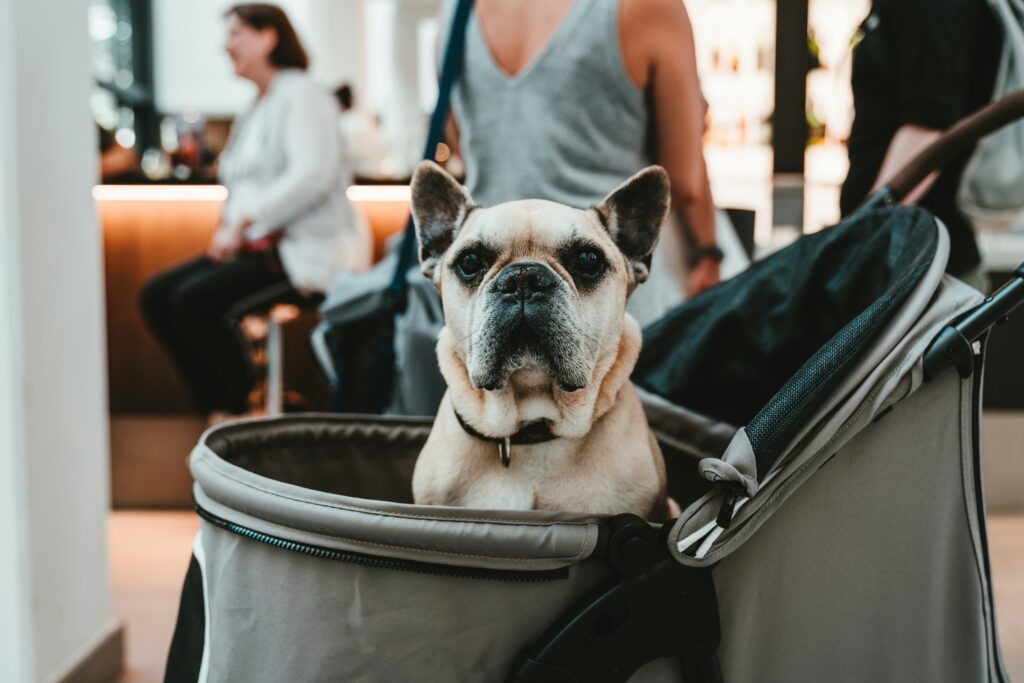
In the United States, service animal protections are defined under federal disability law. Once you leave the country, those protections do not automatically apply. Foreign governments regulate animals under agricultural and biosecurity rules, not disability statutes. A destination may treat a service dog as any other canine for import purposes. That means quarantine, health testing, and advance permits can still apply, regardless of certification or airline approval. Border authorities focus on disease prevention, not service designation. Understanding this distinction helps prevent last-minute confusion at entry points.
Rabies Classifications Drive Quarantine Decisions
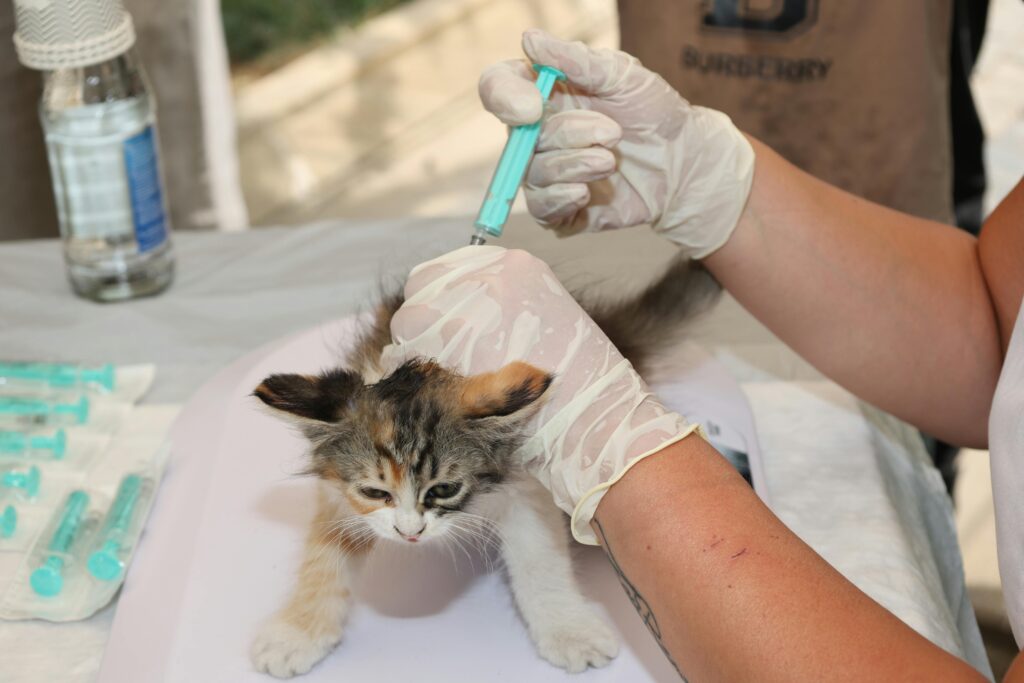
Many countries categorize incoming animals based on rabies risk tied to the country of origin. Even a service animal with valid vaccinations may be subject to quarantine if arriving from a region classified as higher risk. Some nations require antibody titer tests completed months in advance. Others impose mandatory waiting periods after vaccination. Service designation does not change these public health protocols, which are designed to protect local animal populations. Checking official government updates shortly before travel is essential. Advance laboratory planning can significantly shorten potential quarantine periods.
Health Certificates Must Follow Destination Templates
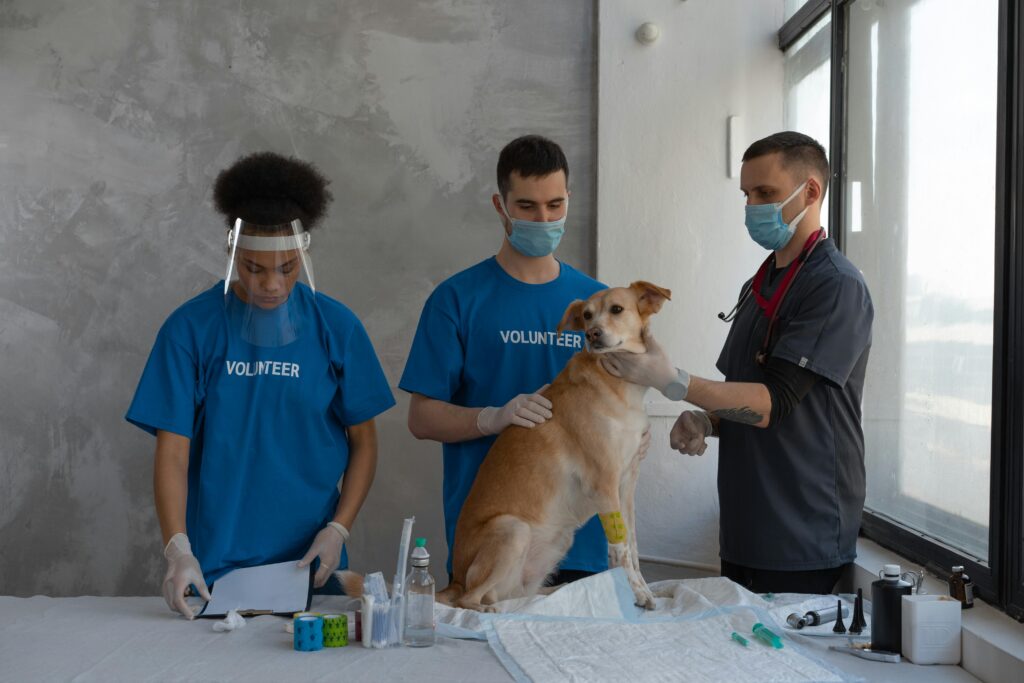
A standard U.S. veterinary health certificate may not meet foreign entry standards. Some countries require documents issued on official government templates, endorsed by federal authorities, and completed within narrow time frames. Missing a specific phrase, stamp, or endorsement can result in denial or quarantine. Travelers often assume their service animal paperwork covers these requirements. In reality, destination-specific documentation is often far more detailed. Even formatting errors may cause delays. Reviewing embassy guidelines carefully reduces documentation setbacks. Submission deadlines are often stricter than travelers expect.
Microchip and Vaccination Timing Are Scrutinized

Border officials frequently verify microchip numbers and vaccination timelines. In certain countries, rabies vaccination must occur after microchipping to be considered valid. If documentation shows a different order, entry may be delayed. Service animals are not exempt from these technical requirements. Even minor inconsistencies can trigger extended inspection or mandatory holding periods. Precision in documentation reduces unnecessary complications at arrival. Confirming microchip scans before departure adds another layer of reassurance. A simple pre-travel checklist can prevent avoidable technical issues.
Quarantine Facilities Operate Under Strict Protocol

In destinations that impose quarantine, service animals are typically housed in government-approved facilities. While many facilities maintain professional standards, the experience can still be stressful for both animal and handler. Reservations are often required due to limited capacity. Some countries allow reduced quarantine periods if testing requirements are completed well ahead of travel. Planning early can significantly limit disruption to travel schedules. Understanding facility rules prepares owners for daily visitation policies. Clear expectations ease emotional strain during separation.
Airline Approval Does Not Guarantee Border Entry

Airlines assess service animal eligibility based on transport and safety policies. Border authorities assess entry based on public health and import law. These systems operate independently. A service animal approved for cabin travel may still be subject to inspection, additional documentation review, or quarantine upon landing. Clear communication with both the airline and the destination’s agricultural authority is essential. Written confirmations provide added security. Never assume airline clearance equals automatic international entry. Border officers retain final authority at the point of arrival.
Emotional Support Animals Face Stricter Limits
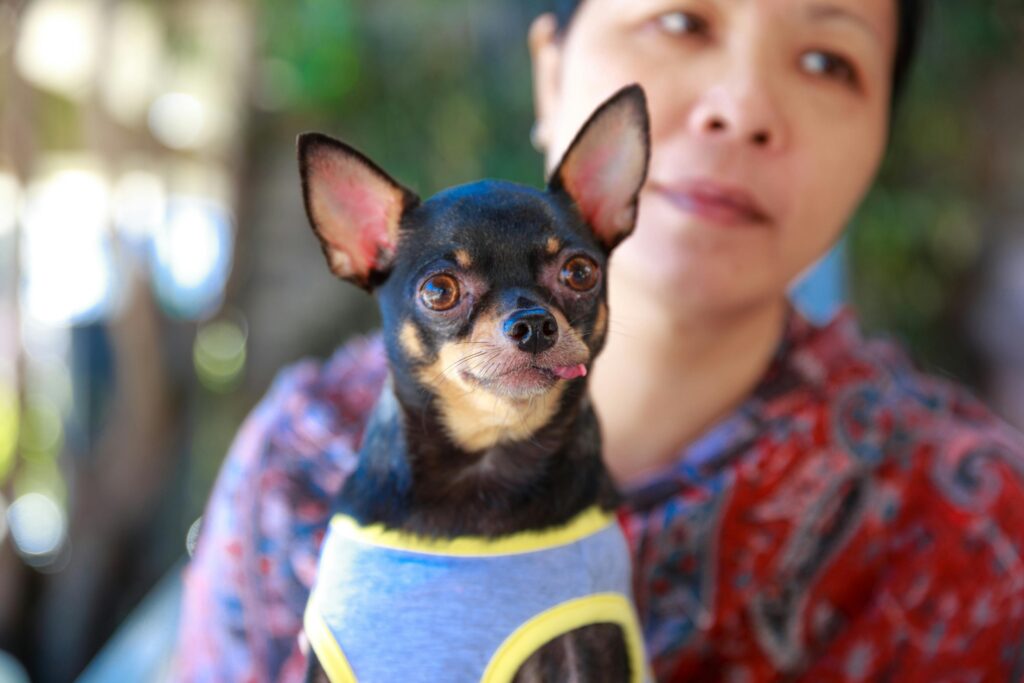
In recent years, many airlines have narrowed definitions of service animals, distinguishing them from emotional support animals. International destinations may not recognize emotional support status at all. Even legitimate psychiatric service animals may require extensive documentation abroad. Travelers should verify how their destination classifies assistance animals. Assumptions based on domestic policies can lead to unexpected outcomes. Regulations vary widely between countries. Direct confirmation with official authorities prevents misunderstanding. Clear documentation of training may be required in some jurisdictions.
Advance Coordination Reduces Risk

Successful international travel with a service animal depends on early research and structured planning. Consulting a USDA-accredited veterinarian, reviewing embassy guidelines, and confirming quarantine rules months ahead of departure reduces uncertainty. Keeping printed and digital copies of all documentation adds another layer of preparedness. While quarantine is not guaranteed, understanding the hidden paperwork behind service animal travel ensures fewer surprises at the border. Preparation transforms uncertainty into manageable logistics. Early coordination also allows time to resolve unexpected compliance gaps.