Cold-Blooded Commuting: The Essential Kit for Keeping Exotic Pets Happy on the Move
Your exotic pet doesn’t “do fine” on vibes. It performs well at stable temperatures, with secure containment, and under controlled humidity.
Cold-blooded commuting means building a portable habitat for the drive home, a vet run, or moving day.
This kit covers the basics: an insulated container, heat packs, a digital thermometer, breathable cloth, and anti-slip padding.
You’ll also get vehicle rules that prevent overheating, drafts, and direct sunlight, because an unattended car can turn deadly.
Have the habitat ready before arrival so travel time stays minimal, and your pet goes straight into the right temperature zone.
Insulated container: small cooler or Styrofoam-lined box
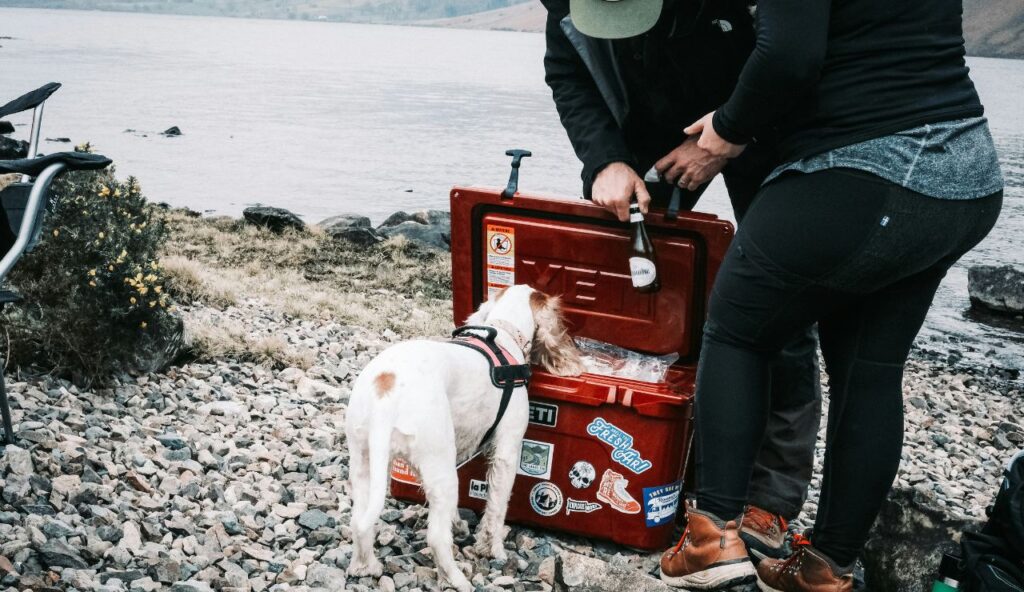
Use a small cooler or a Styrofoam-lined box as the insulated container. That insulation buys thermal stability and reduces rapid temperature swings.
Inside it, place a breathable cloth bag or pillowcase for containment & comfort, then pad with towels, blankets, or crumpled packing paper.
Fill in the empty spaces with towels so the carrier can’t tip or jostle during turns.
The result: a dark, buffered “travel microclimate” that keeps airflow while maintaining warmth or coolness longer.
Keep the box on a flat, secure spot, away from drafts and direct sunlight, so the insulation works rather than fighting your car’s hot/cold blasts.
Heat packs: cold-weather support without burns or overheating

Heat packs are for cold weather, not for “extra comfort.” Choose a duration that matches the commute, like 40-hour shipping packs for longer delays.
Activate the pack early, then secure it so it’s not in direct contact with the animal. Direct contact can cause burns or prevent overheating cues.
Mount the pack on the side of the insulated container, not under the pet, so it can move away.
If the container starts getting too warm, remove the pack before you “wait and see.”
Use a towel barrier between the pack and the inner bag, and monitor temperature every 20–30 minutes with a probe so you don’t cook the ride in silence.
Digital thermometer: real-time temperature monitoring inside the box
A digital thermometer with a probe keeps you honest by telling you the animal’s temperature.
Place the probe inside the insulated container, not outside where it reads the wrong air.
Check it at the start, mid-trip, and at every stop, so you catch drift before it becomes a problem.
If temps climb, move the container away from vents, increase airflow slightly, or remove the heat pack.
If temps drop, add insulation with blankets or swap in a fresh pack, secured and separated, to increase warmth safely.
Never put the container on a dashboard or by a window; direct sunlight can turn a car into an oven faster than you expect.
Humidity management: damp towels, sponges, spray bottle (controlled moisture)
Humidity management should be controlled, not messy. Dishes spill, soak bedding, and can chill an animal when airflow hits.
For species that need humidity, use a damp towel or sponge, plus a spray bottle, so moisture stays without pooling.
Lightly moisten the towel and keep it in a corner of the setup, rather than pressing it against the animal.
For arid reptiles, keep the carrier dry and offer hydration during stops with a mist instead of a wet environment.
Pack paper towels, gloves, and reptile-safe disinfectant so you can clean and reset quickly if waste happens.
Carry dechlorinated water in a leakproof bottle to prevent spills.
Vehicle rules: secure placement, away from drafts, never leave unattended
Vehicle handling is non-negotiable. Never leave reptiles or amphibians in an unattended car; temperatures can turn lethal fast, even on mild days.
Secure placement matters. Keep the container seat-belted or wedged so it can’t slide.
Position it away from direct sunlight and drafts; sudden blasts create swings cold-blooded animals can’t regulate.
Keep travel time minimal. More stops and “quick checks” create stress.
If you must check the animal, do it in a closed space, like a bathroom or car with doors shut, not outside, where escape becomes a nightmare.
A breathable cloth cover keeps it dim and calm, reducing stress behavior.
Arrival readiness: habitat fully set up before you unload
Your best “travel hack” is to have the habitat fully set up before the animal arrives, because it reduces container time and helps them stabilize.
Before you drive, test the heat source, confirm basking and cool zones, and place hides so the animal settles quickly.
For longer moves, scale the kit: extra liners, spare heat packs, a power bank, and a printed temp-range note in case someone else has to help.
When moving a large reptile habitat, transport glass and décor separately, then rebuild quickly so you’re not improvising overnight.
Keep permits and essential meds in your day bag, not buried, so you’re not scrambling when delays hit.