
More Than Just a Kennel: How to Safely Transport Exotic Pets Without the Drama.
Transporting an exotic pet isn’t like taking a dog to the park.
Reptiles, parrots, sugar gliders, and amphibians react fast to stress, vibration, and temperature shifts.
A quick drive in a basic kennel can turn risky without species-specific preparation.
Start with temperature control: a hard-sided, well-ventilated carrier with air holes and vents that don’t blow directly.
Keep it calm, quiet, and slightly darkened to reduce stress.
Layer in permits, route planning, and an emergency kit, and travel during a move or a long-distance trip, stays predictable, safer, and way less dramatic for you and your animal.
Species-Specific Preparation Before You Transport Exotic Pets
Exotic pets don’t share one travel rulebook.
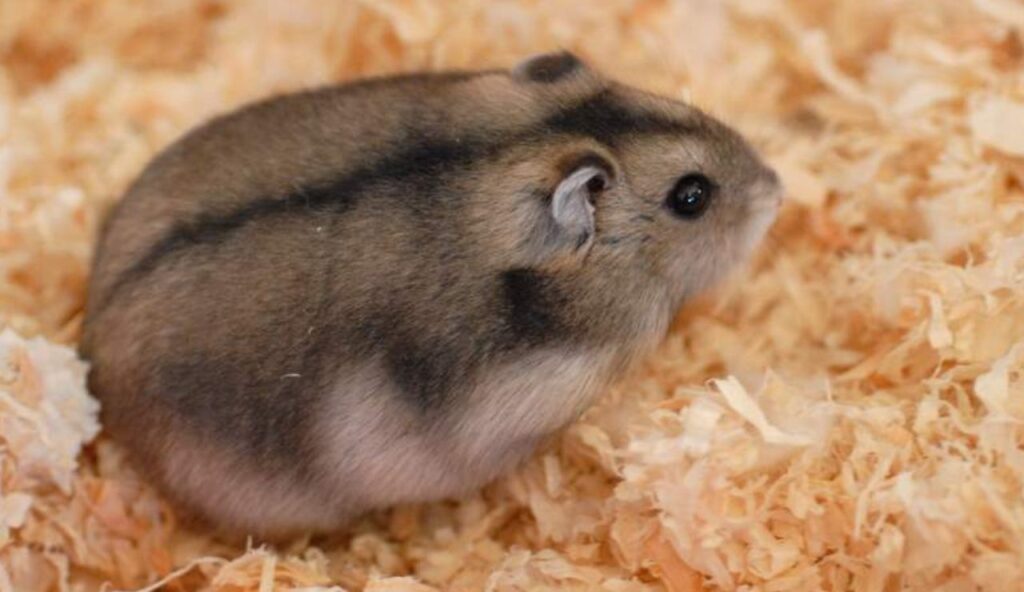
Reptiles depend on external heat, birds react to airflow and noise, and small mammals can spike stress in minutes.
Build your plan around their limits: their tolerance for handling, ventilation needs, and how they cope with light during transport and delays.
Nocturnal species often do better in a covered, darkened container.
Use a secure, well-ventilated container sized to prevent sliding, not a roomy tank.
Know the “no-go” triggers, overhandling, bright exposure, and sudden temperature swings, then design the trip to keep travel time minimal and stops rare.
Temperature Control in the Car Cabin During Exotic Pet Transport
Temperature control is the make-or-break factor for many non-traditional pets.
A short swing in a car can stress reptiles and amphibians, or chill birds fast.
Use an insulated container when needed, and keep the car cabin stable, often in the low-to-mid 70s for winter reptile transport during longer drives or delays.
Never let vents blow directly onto the carrier, and avoid direct sun on lids.
Use animal-safe heat packs or cool gel packs on the outside, separated by padding, so nothing touches the pet.
Bring a small thermometer, check it at stops, and adjust early, before your pet shows distress.
Secure, Escape-Proof Hard-Sided Carrier With Air Holes
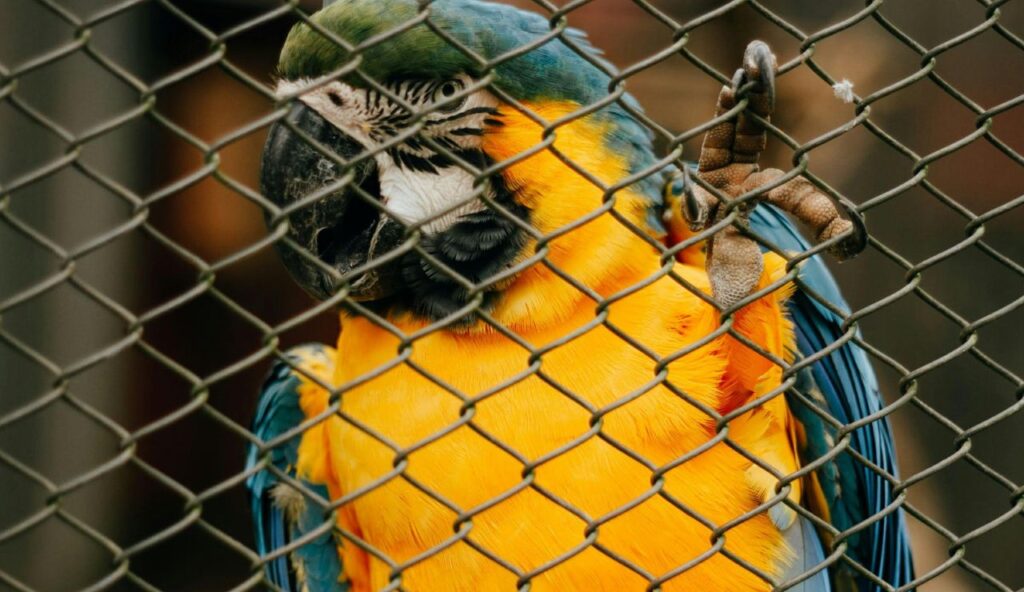
Containment is safety, not comfort décor.
Choose a hard-sided, non-breakable carrier that’s escape-proof and well-ventilated.
For reptiles, a cloth bag inside a tub with air holes can prevent bites and sudden lunges.
For birds, use a travel cage with stable perches and no dangling toys.
Add bedding or padding to prevent jostling, then size the space so your pet can brace without sliding during sudden stops, turns, or bumpy roads, especially on longer travel days.
Remove heavy rocks, bowls, or décor, and secure the carrier so it can’t tip.
Too tight increases panic; too roomy turns every stop into a crash test.
Calm, Quiet, Dark Environment to Reduce Stress
Stress reduction is mostly about what you don’t do.
Skip loud music, avoid talking over the carrier, and keep handling to a minimum.
Many species travel better in a covered, darkened container, as long as airflow stays clear and the carrier stays stable.
Drive smoothly and travel off-peak to reduce sudden braking and jostling.
Plan the route so you keep travel time minimal, with fewer stops and no “quick errands.”
If you must stop, do it quickly: check temperature control, confirm the carrier is secure, then get moving before the animal ramps up again.
Less stimulation equals fewer setbacks after you arrive.
Permits, Health Certificates, and Airline Rules for Non-Traditional Pets
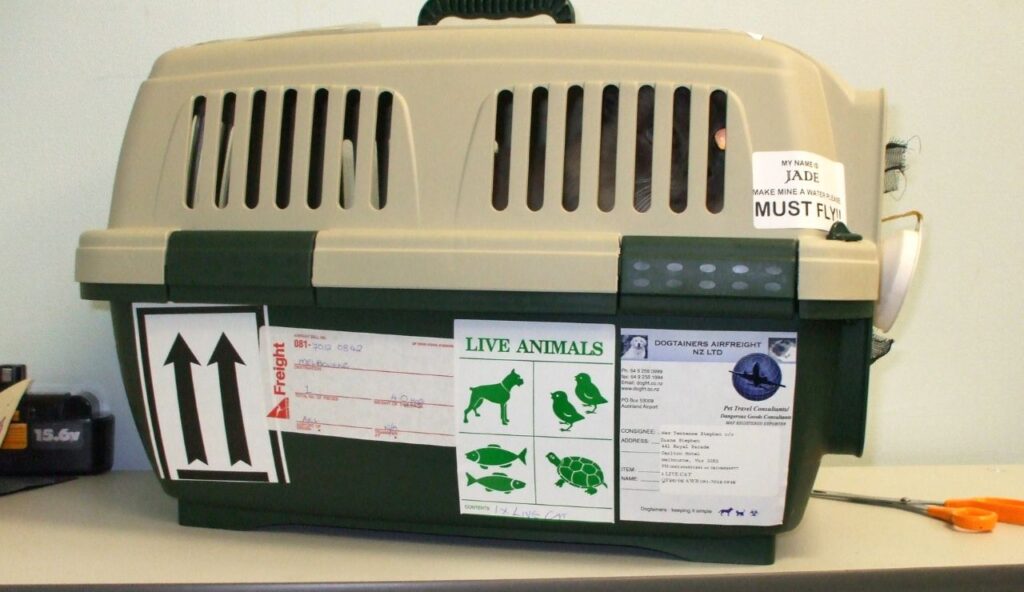
Regulations can derail a trip faster than a bad carrier.
Exotic pet transport may require permits or health certificates, especially across state lines or international borders.
Airlines add another layer: hard-sided carrier specs, ventilation rules, and limits on which species can fly in-cabin.
For long-distance moves, many owners choose ground transport over flying because cargo conditions can be unpredictable and delays can trigger dangerous temperature swings, especially for reptiles and amphibians.
Confirm requirements early, print backups, and keep documents accessible so you’re not scrambling at a checkpoint or counter.
Emergency Backup Plan for Delays, Hydration, and Temperature Monitoring
Even a perfect plan can hit traffic, breakdowns, or long check-ins.
Pack supplies for your species: bedding, safe heat support, and a spill-proof hydration option.
For small mammals, gel packs can help manage hydration/food without bowls tipping in motion.
Keep a thermometer handy, and carry extra insulation for winter transport.
Save the contact info for nearby exotic veterinarians and after-hours animal ERs, then watch for stress signals like open-mouth breathing, lethargy, or frantic escape attempts during stops, delays, and noisy, unfamiliar environments.
Fast response beats panic every time.