
Trust Your Gut, Not the Map: A Woman’s Guide to Identifying Red Flags Abroad.
Maps show routes, not risk.
For women traveling abroad, intuition, your gut feeling, is often the first warning sign. Uneasiness. Dread. That subtle “off vibe” before your logical brain catches up.
Safety isn’t paranoia. It’s situational awareness and pattern recognition happening in real time.
This guide turns common red flags into decision rules: if X happens, do Y immediately. Move to a staffed place. Keep things public. Prioritize an exit over politeness.
Watch for patterns like boundary testing, forced familiarity, and isolation tactics.
Research matters. Advisories help. But discomfort is a signal. Don’t rationalize it away.
When a Situation Feels Off, Pause Before Proceeding
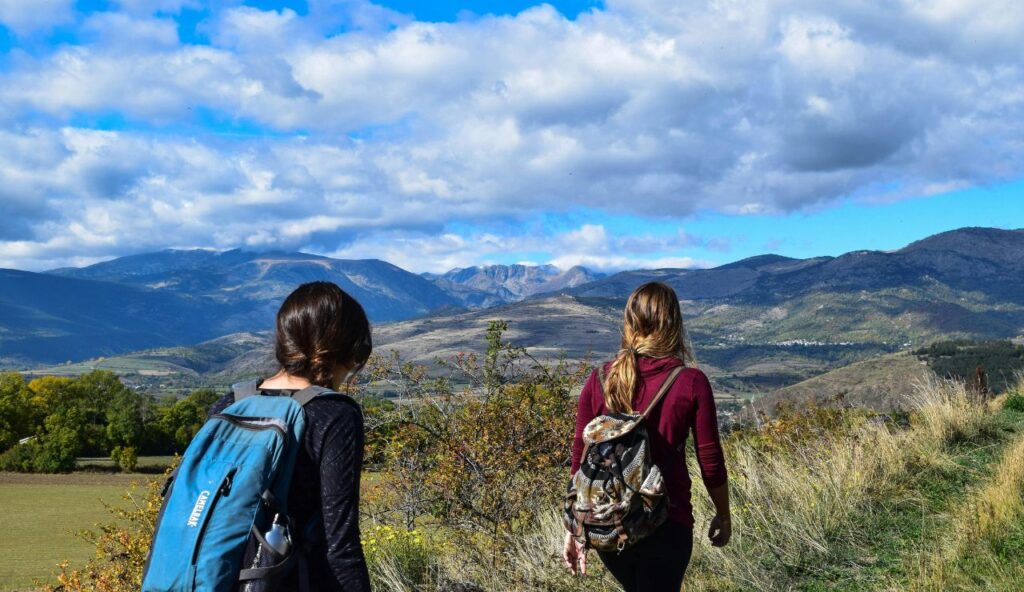
A street can look “safe” on a map yet feel wrong in your body.
Gut feelings, tight chest, sudden dread, and a quiet urge to leave are early warning signals, not overreactions or imagined fears. Often, they’re the first warning sign you’ll get.
Do a quick gut check. Scan for exits. Notice the lighting carefully. Look for crowds or staffed doors nearby. Position yourself so you can walk away without being blocked.
If someone changes a route, tone, or plan without explanation, treat it as a red flag and slow everything down immediately.
Cross the street. Step into a public shop. Wait near families.
If it still feels off, leave. No debate. No apology.
Pay Attention to Boundary Testing and Overfriendliness

Boundary breaking is one of the most important safety signals to recognize quickly.
If someone ignores “no,” stands too close, blocks your path, or keeps touching your arm, they’re testing limits.
Forced familiarity can look like instant closeness. “We” language. Oversharing. Fast trust demands.
Too much help is also a red flag. Insisting on carrying your bags. Wanting your phone. Suggest somewhere quieter.
Keep it public. Don’t reveal you’re alone or where you’re staying. Don’t hand over your phone or passport.
Disengage early. Use confident body language. Head toward the staff if pressure continues.
Notice Environmental Shifts That Change the Risk Level
Situational awareness means recognizing that safety subtly shifts with the environment around you.
A lively market at noon can feel isolated once shutters close. A transit hub can become chaotic late at night.
Watch for fewer witnesses. Dim lighting. Closed shops. Intoxicated crowds. Poor visibility that limits safe exit paths.
When conditions gradually degrade, upgrade your safety approach.
Move toward bright, clearly staffed venues. Choose licensed taxis or prebooked transport. Walk with purpose.
If your comfort level suddenly drops, treat that as a red flag.
Relocate before you become the only visible target.
Watch for Isolation Tactics and Sudden Plan Changes
Isolation tactics are classic, recognizable red flags abroad.
“Shortcut.”
“Come see this.”
“My friend has a room.”
“Follow me.”
These often involve urgency, guilt, or subtle pressure to move to a more private location.
Refuse politely but firmly. Offer to call official help instead. Keep control of your route and transport decisions at all times.
If anger appears, yelling, blocking exits, or sudden aggression, prioritize escape and nearby witnesses over winning the interaction.
Say you’re meeting friends. Walk toward a staffed desk. Share your live location with a trusted contact if possible.
Public over private. Exit over explanation.
Balance Research With Real-Time Judgment
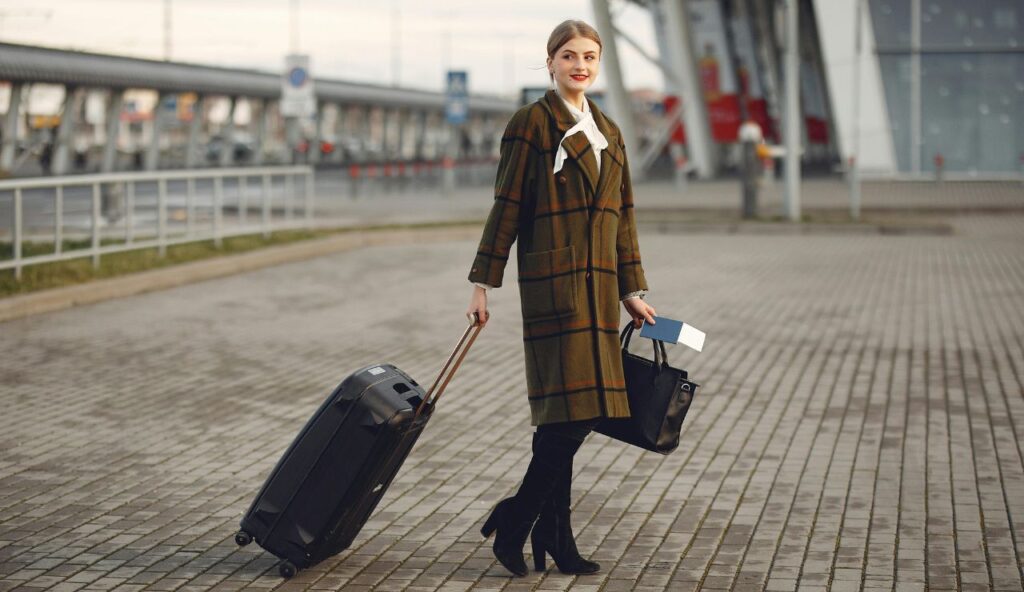
Research and reviews are helpful, but they don’t override what you’re seeing.
A map can’t read inconsistencies in tone. It can’t detect story gaps or mismatched body language.
If your gut feels neutral, continue while keeping exit options visible.
If anxiety spikes, pause. Ground yourself. Reassess with facts: lighting, witnesses, staff presence, transportation.
Avoid politeness traps. Never trust pressure that demands secrecy or speed.
If you feel unsafe, leave immediately. Change plans. Protect your digital privacy.
Don’t broadcast your location live. Don’t share your itinerary publicly.
Your safety is more important than sticking to the map.