The Ultimate Road Trip Checklist: How to Keep Your Cat Calm at 70 MPH.
Road trips with cats require more preparation than traveling with dogs because most cats prefer stable environments and familiar routines. Motion, noise, and unfamiliar surroundings can quickly cause stress or fear, especially at highway speeds where vibrations and constant sound changes occur. A well-planned checklist helps reduce anxiety, improve safety, and protect your cat’s health during long-distance travel. Preparation also lowers the risk of accidents caused by sudden movements inside the vehicle. When your cat feels secure and comfortable, the journey becomes safer for both of you and more enjoyable overall.
Choose a Secure and Comfortable Carrier
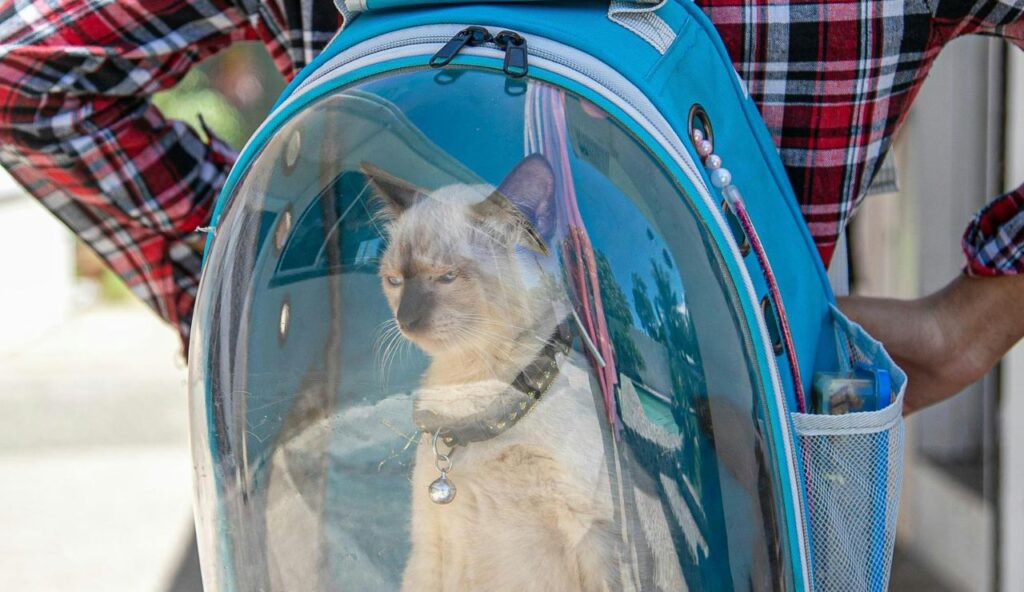
A secure carrier creates a controlled space that helps cats feel protected while the car is moving. The carrier should be well ventilated, large enough for your cat to turn around, and padded with familiar bedding to reduce stress. Hard-sided carriers provide better protection during sudden stops, while soft carriers may shift under pressure. The carrier must be seatbelt secured to prevent sliding at high speeds. Placing the carrier on a stable surface limits motion discomfort and reduces anxiety triggered by unpredictable vehicle movement, making travel safer, calmer, and more manageable for both cat and driver during extended trips.
Prepare Your Cat Before Travel Day
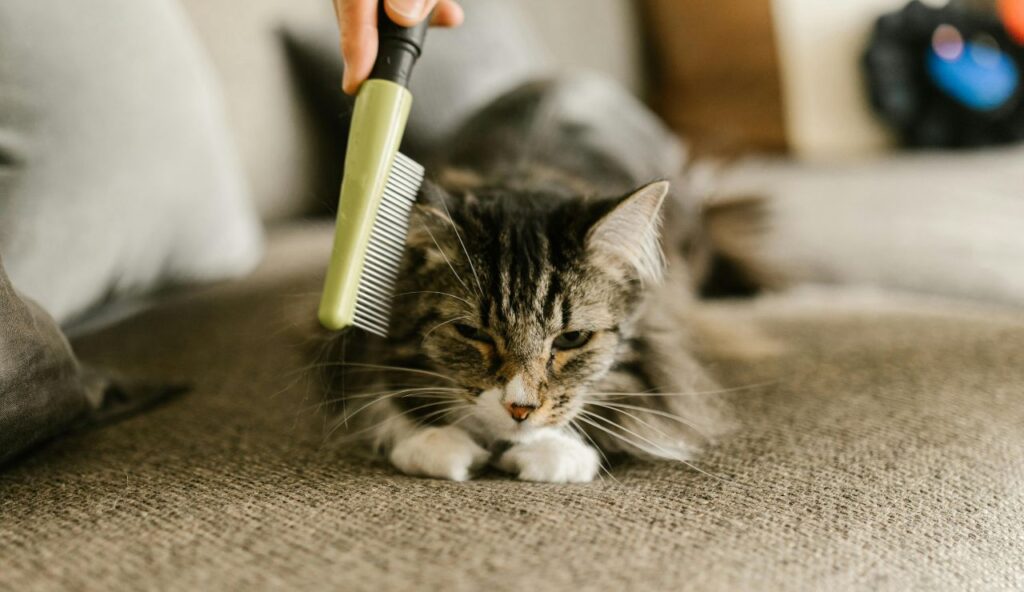
Introducing travel routines before departure helps your cat adapt to the experience gradually. Allow your cat to explore the carrier at home with treats or toys to build positive associations. Short practice drives help reduce fear of engine noise and road vibration. Keeping feeding and play schedules consistent before travel supports emotional stability. Avoid sudden changes in diet or routine close to the trip. Familiar scents placed in the carrier can provide comfort and reduce stress caused by new environments and unfamiliar travel sensations, leading to calmer behavior and fewer anxiety responses during long-distance travel days.
Pack a Dedicated Cat Travel Kit
A well-prepared travel kit ensures your cat’s basic needs are met without last-minute stress. Include food, bottled water, collapsible bowls, litter, disposable trays, waste bags, grooming wipes, and a small towel for accidents. Bring any prescribed medication with clear dosage instructions. Carry copies of vaccination records in case emergency veterinary care is required. Having essential supplies within reach reduces unnecessary stops and allows you to maintain your cat’s routine during the trip, supporting calm behavior throughout long highway stretches, and prevents delays caused by unexpected supply shortages or misplaced items.
Create a Calm Environment Inside the Car
A calm car environment reduces sensory overload that can trigger anxiety in cats. Keep music volume low and avoid sudden loud noises. Maintain steady temperatures and avoid placing the carrier near direct airflow that may cause discomfort. Blocking strong sunlight with shades prevents overheating and visual stress. Limiting strong scents from food or air fresheners helps prevent nausea. Smooth driving with gradual acceleration and braking minimizes sudden motion that can startle your cat and helps maintain a predictable, soothing travel experience, even during traffic delays or unexpected detours along unfamiliar routes.
Manage Feeding, Hydration, and Breaks
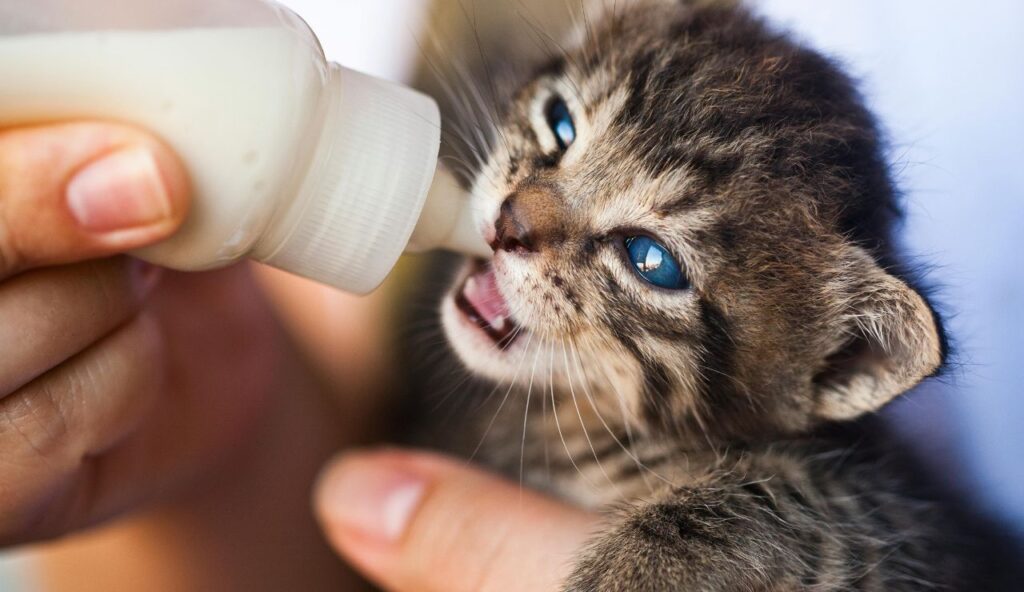
Feeding your cat a small meal several hours before departure reduces the risk of motion sickness. Avoid feeding during travel unless recommended by a veterinarian. Offer small amounts of water during planned stops to prevent dehydration without encouraging accidents. Schedule regular breaks to check on your cat’s condition and adjust temperature or bedding if needed. Never open the carrier in unsecured outdoor areas, as frightened cats may escape. Consistent routines during breaks help maintain emotional stability on long highway drives and prevent stress buildup caused by prolonged confinement without comfort adjustments.
Plan for Safety and Emergencies
Emergency preparation protects your cat in unexpected situations. Attach an ID tag to your cat’s collar and ensure microchip information is current. Carry recent photos in case your cat escapes. Research emergency veterinary clinics along your route before departure. Keep a basic pet first aid kit accessible. Never leave your cat unattended in a parked car due to rapid temperature changes. Planning allows you to respond calmly to issues, reducing stress and preventing small problems from becoming serious travel emergencies, even during delays, breakdowns, or sudden changes in weather conditions.