No Pet Left Behind: Is Your Service Animal Documentation Actually Air-Travel Ready?
Flying with a service animal can feel overwhelming as airline policies, international regulations, and documentation rules often change. Many travelers assume a simple letter or registration card is enough, only to face delays or denial at the airport. Service animals are protected under aviation and disability laws, but those protections apply only when paperwork meets current airline and government standards. Preparing properly means understanding the required documentation, verifying authenticity, and organizing everything before your travel date. A few smart steps taken early can prevent last-minute surprises at check-in.
What Counts as Valid Service Animal Documentation Today?
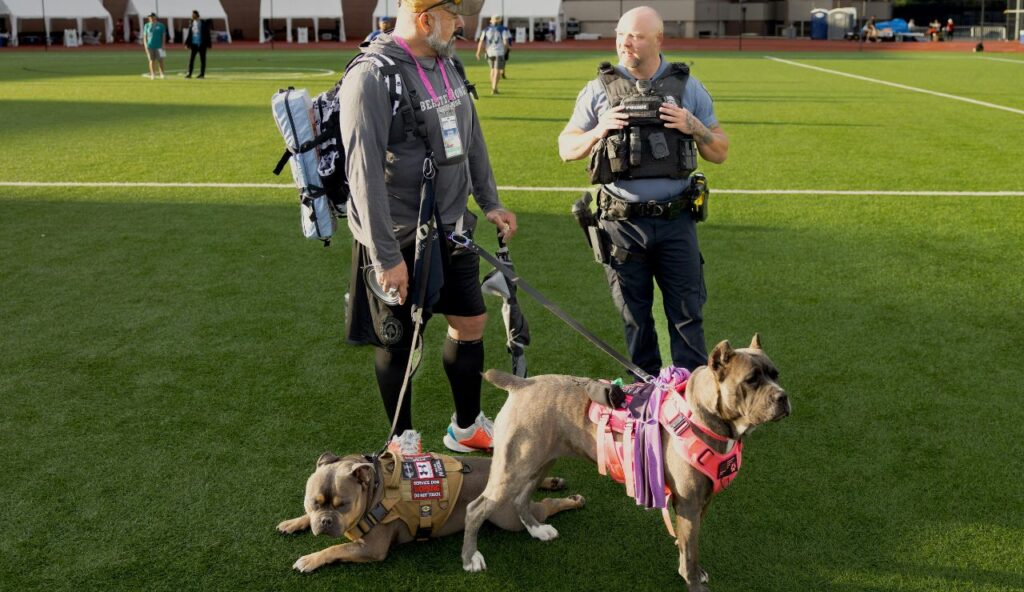
Airlines no longer accept informal certificates, online “registrations,” or generic emotional support letters as proof of service animal status. Most carriers follow aviation guidelines requiring official forms confirming the animal’s training, public behavior, and health. Travelers submit standardized documents from the airline or authority, including vaccination records and behavior attestations signed by the handler. Incomplete or outdated paperwork can result in the denial of cabin access. Verifying requirements with your airline ensures your service animal is recognized and treated appropriately throughout the journey.
Airline-Specific Forms You Must Complete Before Flying

Every airline sets its own documentation rules, even though they follow similar regulations. Some require pre-submission of service animal forms 48 hours before departure, while others allow check-in verification at the airport. These forms typically confirm the animal’s training, health, and ability to behave in crowded public environments. Missing a single field or submitting outdated records can delay approval. Airlines may also request veterinary proof for long-haul flights. Checking your airline’s official policy page and confirming requirements by email helps prevent confusion and last-minute problems at the airport counter.
International Travel: Border Rules Can Change Everything
International flights introduce additional documentation layers that many pet owners overlook. Some countries require import permits, government health certificates, or quarantine approvals for service animals. Rabies vaccination records and microchip verification are commonly requested at border control. Even when airlines approve paperwork, immigration officials may deny entry if documents are incomplete or outdated. Researching airline rules and destination country regulations weeks in advance is essential. Contacting the embassy or official animal import authority helps confirm current requirements before booking your trip.
Common Documentation Mistakes That Get Pets Denied Boarding
Many travelers assume emotional support documentation qualifies for in-cabin travel, but this is no longer accepted by most airlines. Another common mistake is submitting expired vaccination certificates or unsigned behavioral forms. Some travelers rely on unofficial “service animal registries,” which airlines reject outright. Incomplete health documents or mismatched handler information can result in boarding denial. Airlines enforce these rules strictly to ensure safety and compliance. Reviewing documents carefully before submission and confirming acceptance with your airline helps avoid rebooking issues at the airport.
How to Prepare Your Documents for Stress-Free Travel

Start gathering documentation as soon as your trip is confirmed. Download airline-specific service animal forms and complete them accurately, including all required signatures. Visit your veterinarian to update vaccinations and obtain health certificates if traveling internationally. Keep both digital and printed copies in a clearly labeled folder for easy access at check-in and security. Confirm submission approval with your airline before travel day. Preparing early reduces anxiety, avoids last-minute issues, and ensures your service animal travels legally, safely, and comfortably alongside you.