

5 dog breeds couples regret getting without planning first
Bringing home a dog as a couple can feel exciting, until real life kicks in: work schedules, travel plans, apartment rules, and who actually does the daily care. Some breeds are wonderful, but only when their needs match your lifestyle. The regret usually isn’t about the dog; it’s about the lack of planning. Here are five breeds couples often choose impulsively, and what to know before you do. A little honesty now saves a lot of stress later. And it helps couples stay on the same team.
Border Collie
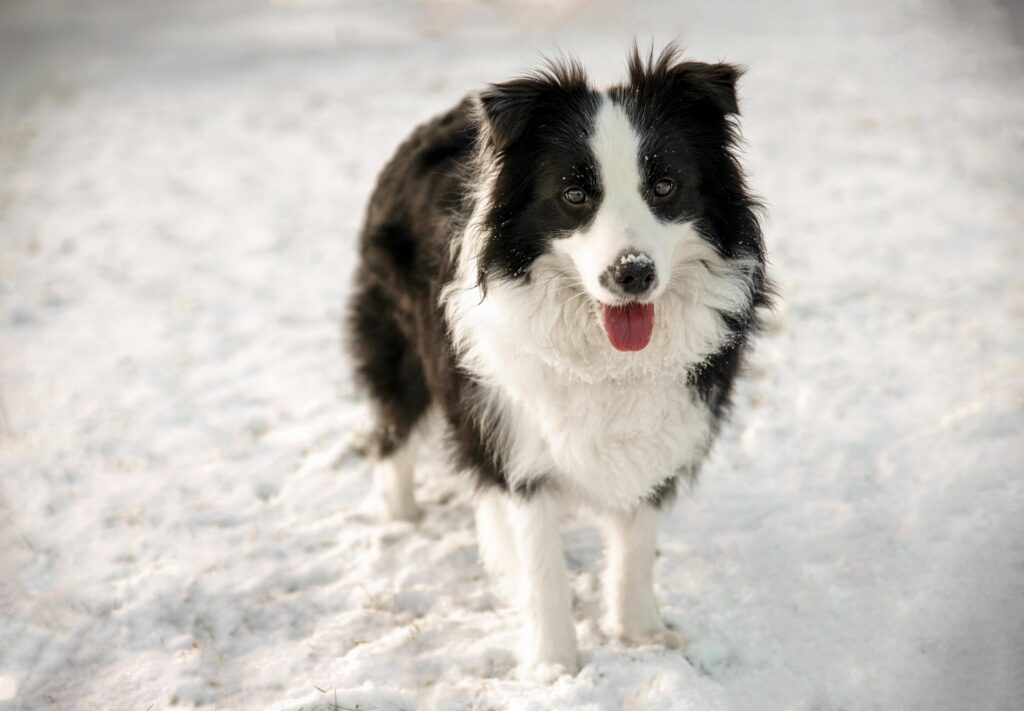
Border Collies are brilliant, affectionate, and eager to work, but they are not a “cute and easy” family dog. Many couples underestimate how much daily mental stimulation this breed needs, especially in apartments or with long work hours. Without structured training and real exercise, they can become anxious, destructive, or constantly demanding attention. They thrive with routines and not casual walks. The regret often starts when couples realize love isn’t enough; this breed needs consistent engagement every single day. They do best with owners who enjoy training, not just cuddling. If your weeks are unpredictable, this breed will feel it first.
Siberian Husky
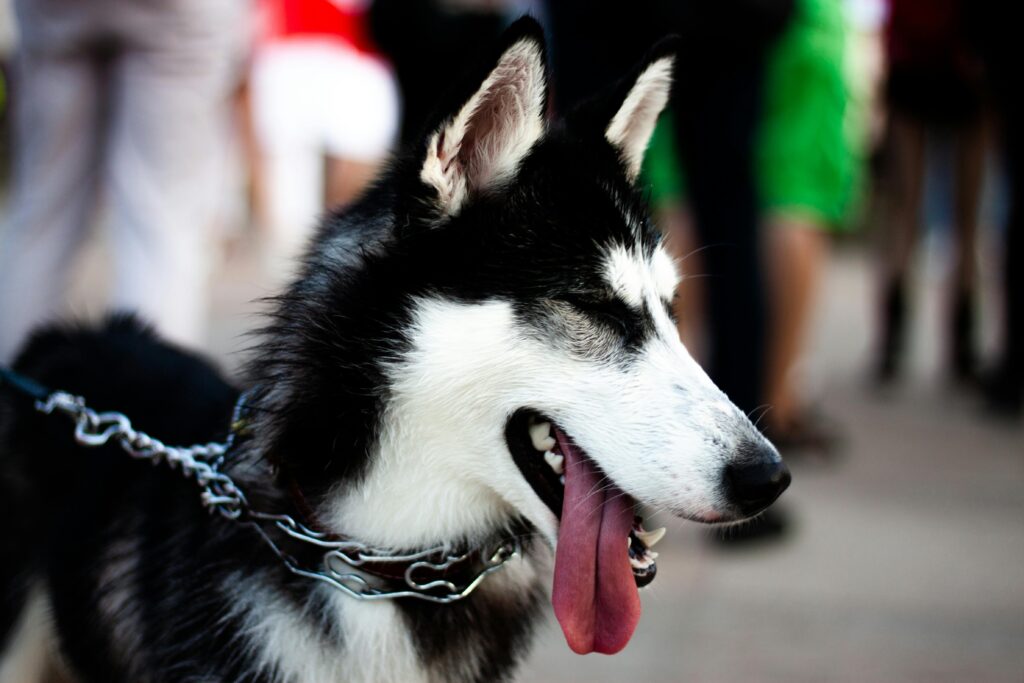
Huskies look like a dream dog, but they can be one of the toughest breeds for couples who did not plan ahead. They are high-energy, stubborn, and famously vocal, which can create tension with neighbors and landlords. Many also have strong prey drive and escape instincts, meaning weak fences and open doors become real problems fast. They shed heavily year-round, and their exercise needs are not optional. Couples often regret the breed when the dog’s energy clashes with busy schedules and limited outdoor space. Huskies are happiest when they can run, explore, and stay busy. Without that outlet, the chaos often lands back on the relationship.
Belgian Malinois
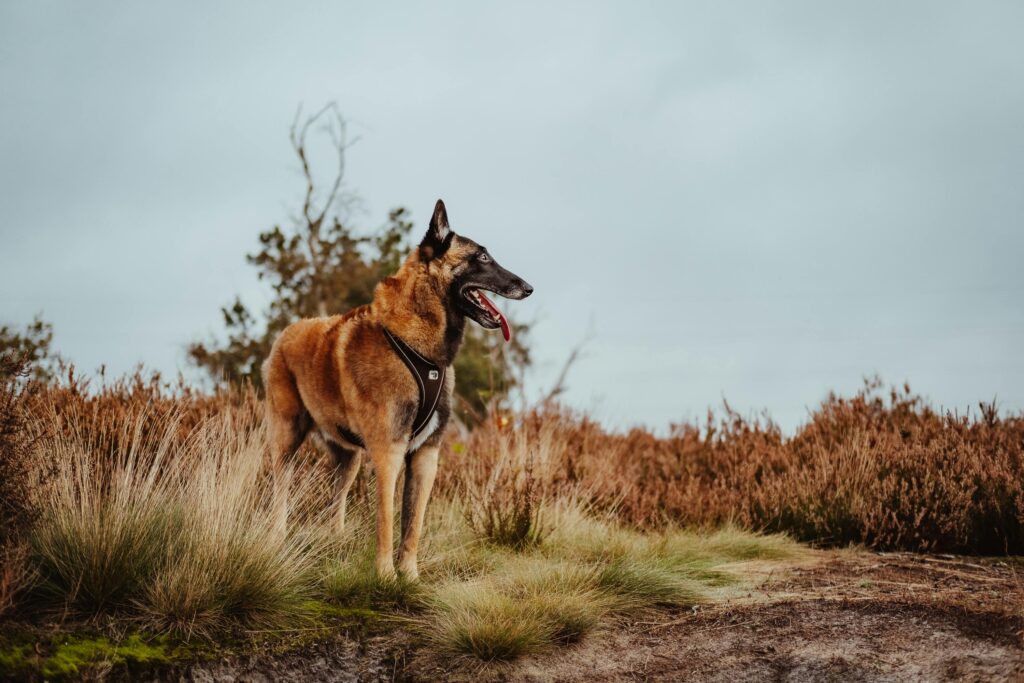
The Belgian Malinois is often admired for its athletic build and “elite” reputation, but it is a serious working dog, not a casual pet. This breed is intensely driven and quick to develop behavioral issues if training is inconsistent. Many couples underestimate how much structure, obedience work, and controlled activity is required. A bored Malinois can become reactive, destructive, or overly protective. Regret usually comes when the dog outpaces the owner’s experience, and everyday life starts revolving around managing behavior. This breed needs confident handling and daily training. For many couples, it’s simply more responsibility than expected.
French Bulldog

French Bulldogs are popular because they seem low-maintenance, but couples often regret them for reasons they did not expect. Many Frenchies are expensive to purchase, and even more expensive to maintain due to common health issues like breathing problems, allergies, and spinal concerns. They also struggle in heat, which limits outdoor time in warm climates. Vet bills can quickly become a relationship stress point. The regret isn’t about temperament; it’s about realizing the breed can come with long-term medical costs and lifestyle limitations. They can be wonderful companions, but they are rarely a “budget” breed.
Australian Shepherd

Australian Shepherds are loving, loyal, and highly trainable, but they are not a “weekend hike” dog. They were bred to herd, which means they often need more activity and mental work than couples plan for. Without consistent stimulation, they may develop anxiety, excessive barking, or herding behaviors like nipping at heels. They also tend to bond strongly and can struggle with separation if left alone for long hours. Couples often regret the choice when they realize this breed needs daily structure, not occasional bursts of exercise. They thrive when both partners share the workload, not when one person carries it.